The NAB’s AM study

As has been widely reported in other places, the NAB (National Association of Broadcasters) has completed its study of AM Radio and recommendations to improve the service.  The NAB has taken a cautious, if the not somewhat paternalistic approach of holding the report while they review their options.  It seems that the technical nature of such a document would not be understood by us mere mortals.

Some of the AM improvement options that have been bantered about in the past include:

  • Moving AM stations to the vacant frequencies of TV Channels 5 and 6, see this.
  • Reducing the number of AM stations on the band, see this.
  • Increasing transmission power of AM stations, see this.
  • Converting AM stations to all digital modulation, see this.

There may be a few other options considered also.

It does not take too much analytical prowess to deduce where the NAB’s proposal is going.  My prediction is that they will be promoting an all-digital “solution” to the AM broadcasting issue using iBquity’s HD Radio product.  I base this prediction on the fact that all of the major radio members of the NAB (Clear Channel, Cumulus, CBS, et al) are heavily invested in the iBquity product.  For this reason, the NAB will find (or has found) that digital broadcasting in the medium wave band will solve all of the currently perceived problems with AM and everyone should embrace the technology.

A few numbers to note:

  • iBiquity and the FCC data base reports that there are currently either 270 or 299 AM stations licensed to operate with HD Radio. Other sources note that several of these stations have been turned off and the actual number using HD Radio is 215.
  • There are 4754 AM stations licensed by the FCC.
  • Currently, HD Radio is transmitted 4-6% of the AM stations in the country.
  • It costs $25,000 US to license a single HD Radio station through iBiquity.  They are, however, discounting that to between $11,500 and 13,500 and have a convenient payment plan (limited time offer, expires December 31, 2012, FCC license fees are extra).
  • It costs between $75,000 and $150,000 to equip and or modify a single AM station with HD Radio gear.

Unless iBiquity drops all patent claims and licensing fees to use its product, an FCC mandate for AM stations to install HD Radio would be skating dangerously close to corporate fascism (AKA Mussolini Fascism or Corporatism) as one corporate entity would then control broadcast radio by licensing its modulation scheme.  And no, the patent is not going to expire.

Digital modulation schemes used in the medium wave band have their own set of technical issues.  HD Radio is not the panacea for AM broadcasting’s self inflicted woes.

Secure everything, assume nothing, take nothing for granted

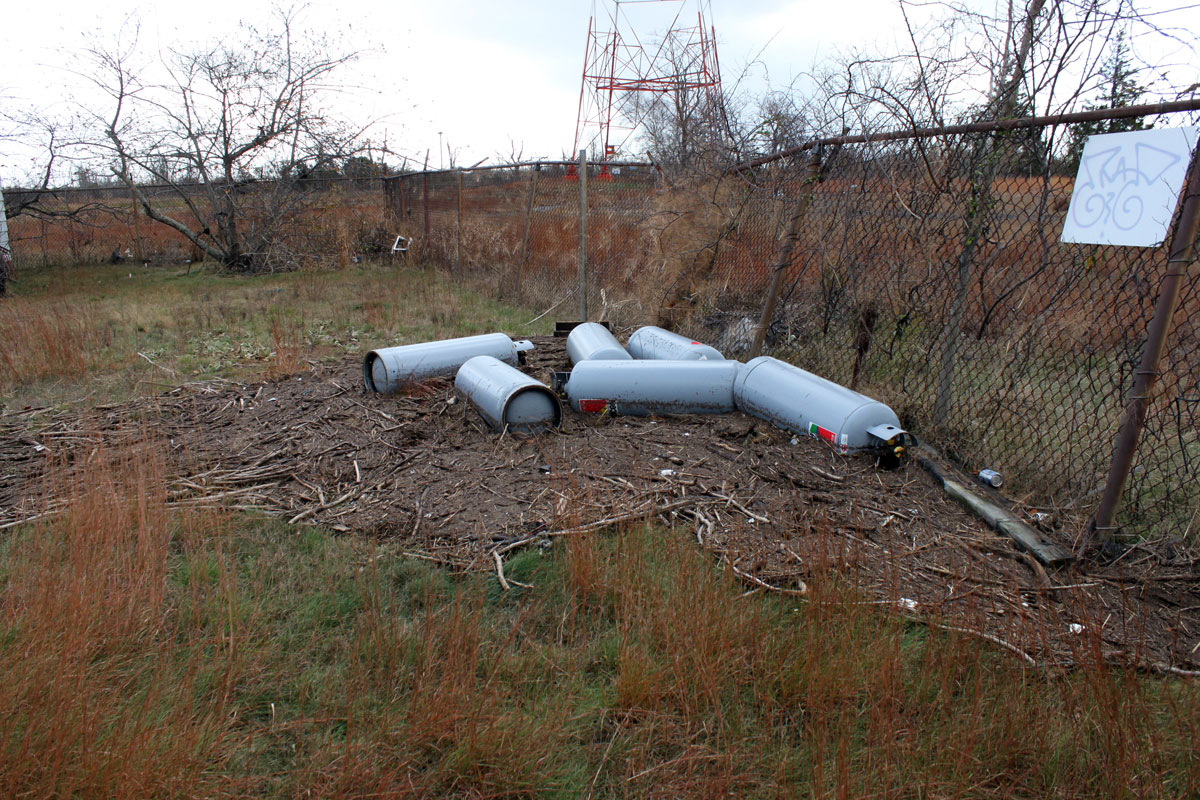
The big lesson learned from Sandy is to take nothing for granted. For several days prior to the storm’s arrival, we checked everything; refueled and started every generator, checked the oil, water, and battery electrolyte, set up fuel deliveries ahead of time for the worst-case scenario, checked all the backup transmitters and STL’s, and so on.  The one thing that I didn’t consider was a storm surge so high that the propane tank would float away.  After all, those tanks are heavy.

However, a brief examination of elementary physics reveals that even when full, a propane tank will float:

One gallon of water weighs 8.3 pounds if it is freshwater or approximately 8.55 pounds for saltwater (depending on where it is from).

One gallon of liquid propane weighs approximately 4.1 pounds, thus it is about half as dense as water.

Most propane tanks are not full, being at most 80% liquid volume. It is always the thing that you didn’t think of.

We seem to be suffering a 500-year storm about once a year or so around these parts.  I expect that things will only get worse.  With that in mind, it is perhaps time to re-think our disaster preparedness and recovery plans to incorporate every worst-case scenario we can imagine.  Everyone knows, but it bears repeating: Radio is the last link that people have when all other technology fails.  Thus, when it comes to storm preparation, there is no such thing as too much.  Thus:

  • Secure everything
  • Assume nothing
  • Take nothing for granted

Our assumptions about power utility and telephone network reliability and restoration may be wrong.  Our assumptions about access to remote sites, our ability to use vehicles, availability of gasoline and other fuels may be over-optimistic.  Our assumptions that basic foodstuffs, clean water, and secure resting areas may also be wrong.  Get those items wrong and it does not matter how much equipment redundancy is built into facilities.

For remote transmitter sites, access can be a major problem after a storm.  In low-lying coastal areas, flooding will be an issue.  In those situations, having backup transmitter sites would be a key feature of any disaster plan.

All good disaster plans also have the human component; clean water, food, and safe, secure resting areas for the staff.  As always, when the SHTF and there are no options and no ideas, there is the Bear Grylls survival method:

Bear Grylls
Bear Grylls

Which we really, really don’t want to do (from the TV show Man vs. Wild on Discovery).

A day in Pictures

The aftermath:

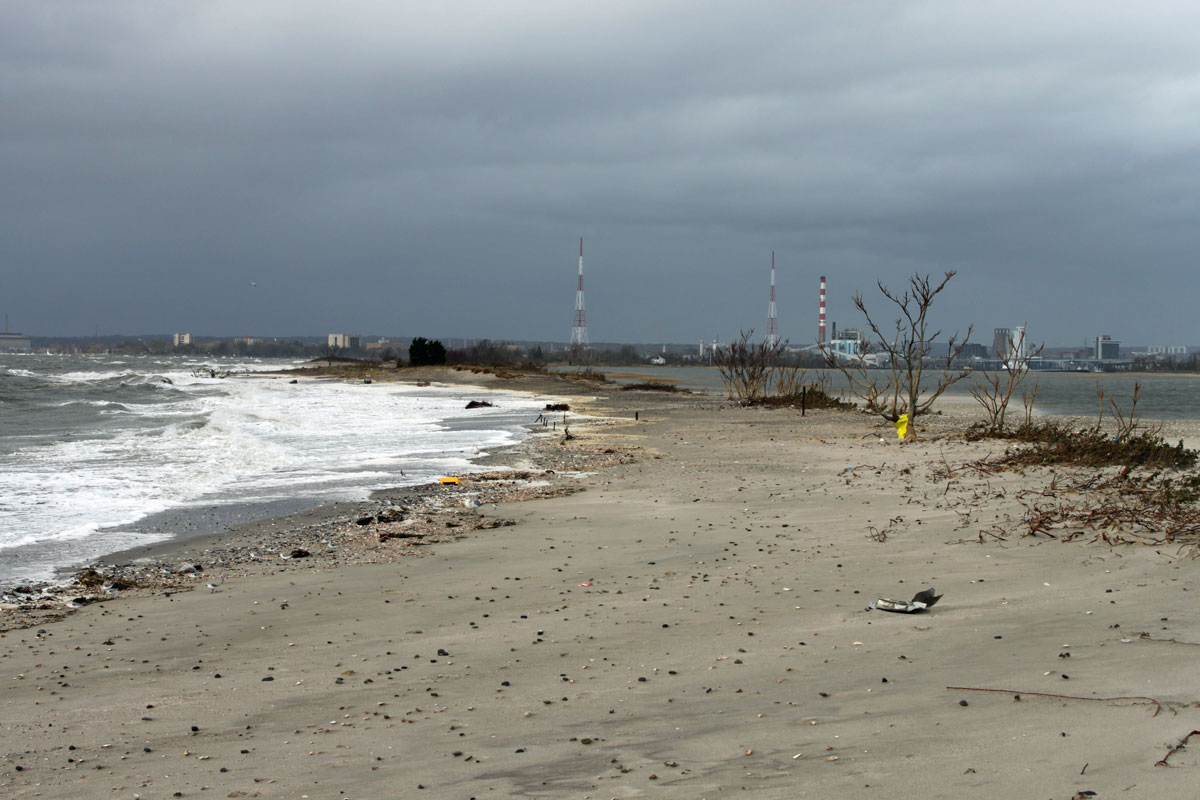
Long beach
Long Beach, used to be an isthmus, now it is a sand bar
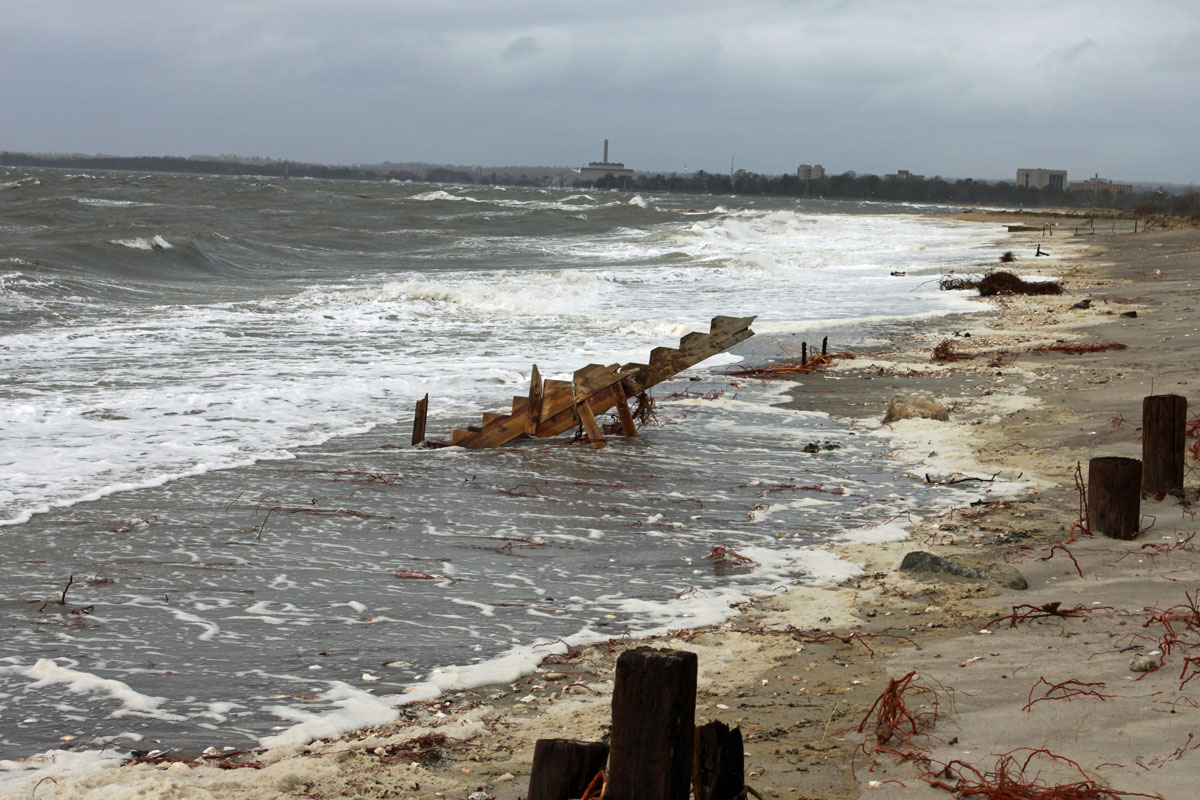
A set of old stairs
A set of old stairs on the beach where the cottages used to be located.
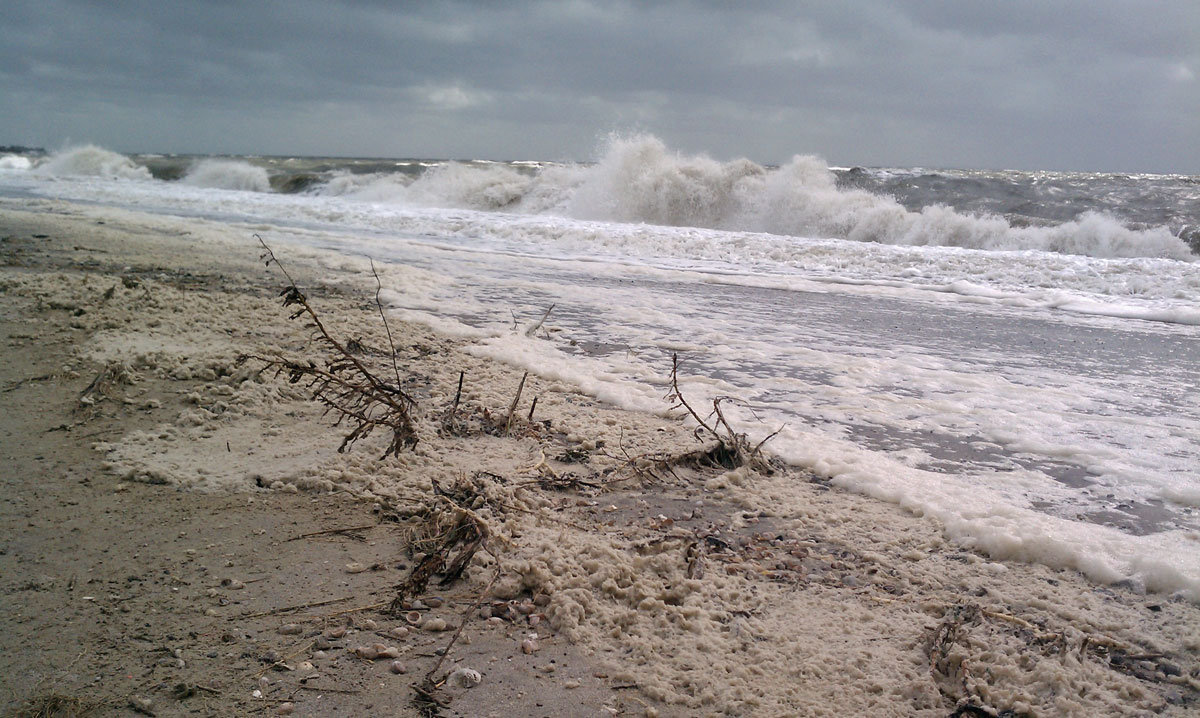
Surf
Surf
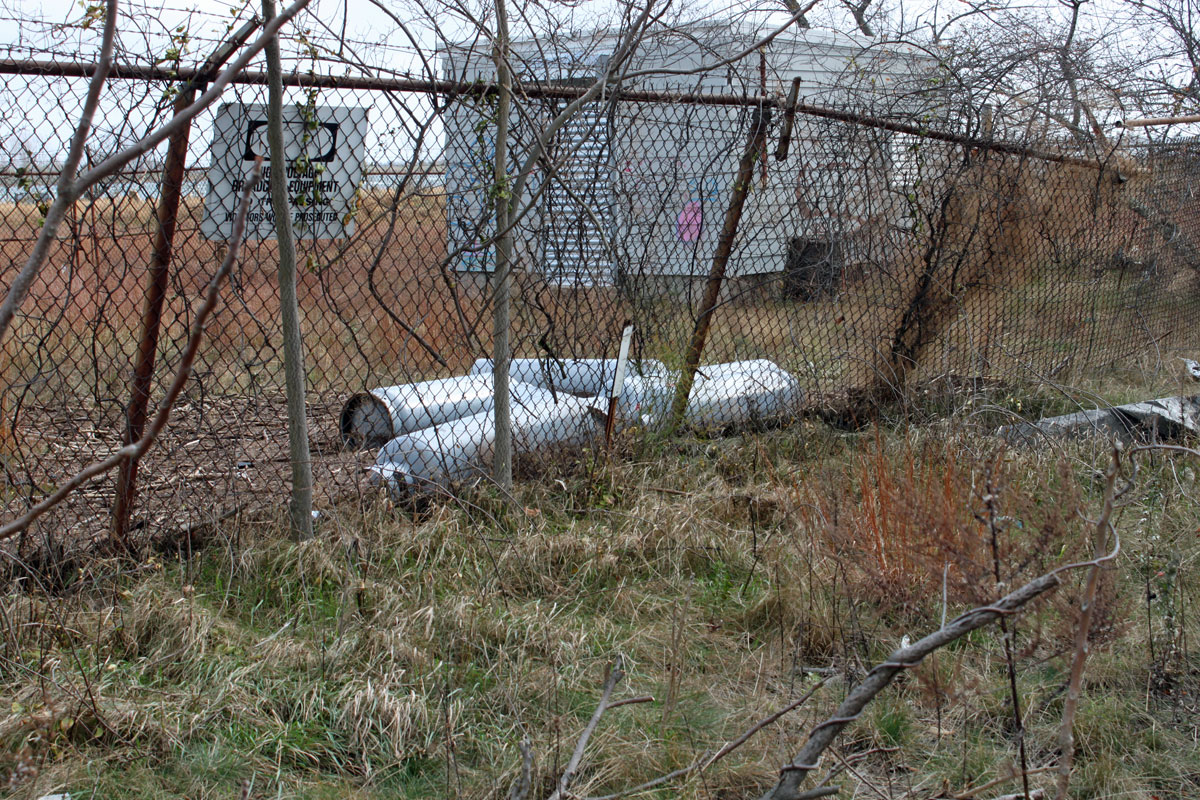
100 lb propane tanks
Found the reason why the generator is not running
Propane tanks adrift
Propane tanks adrift from storm surge. There was a strong propane smell around these tanks, I secured all the valves.
WICC propane tank pad
Where the propane tanks should be
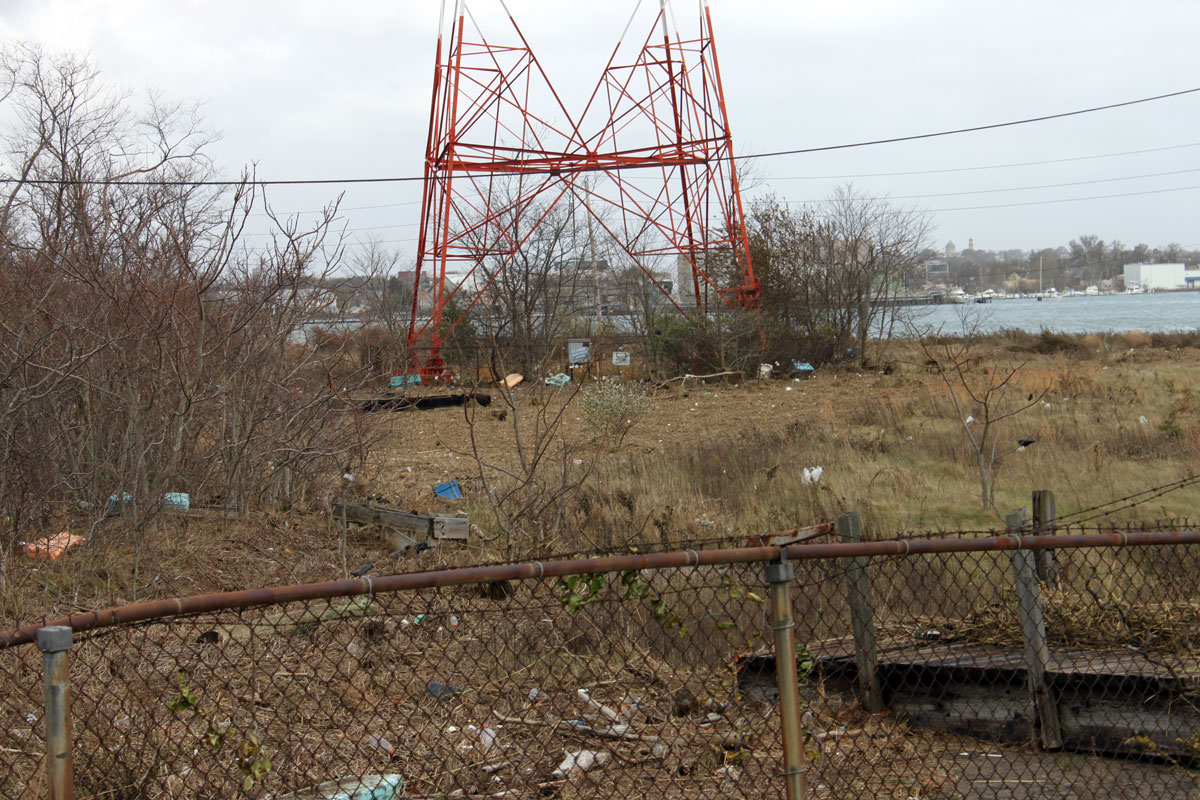
debris washed ashore during storm surge
Debris washed ashore during storm surge around the north tower, including a section of dock
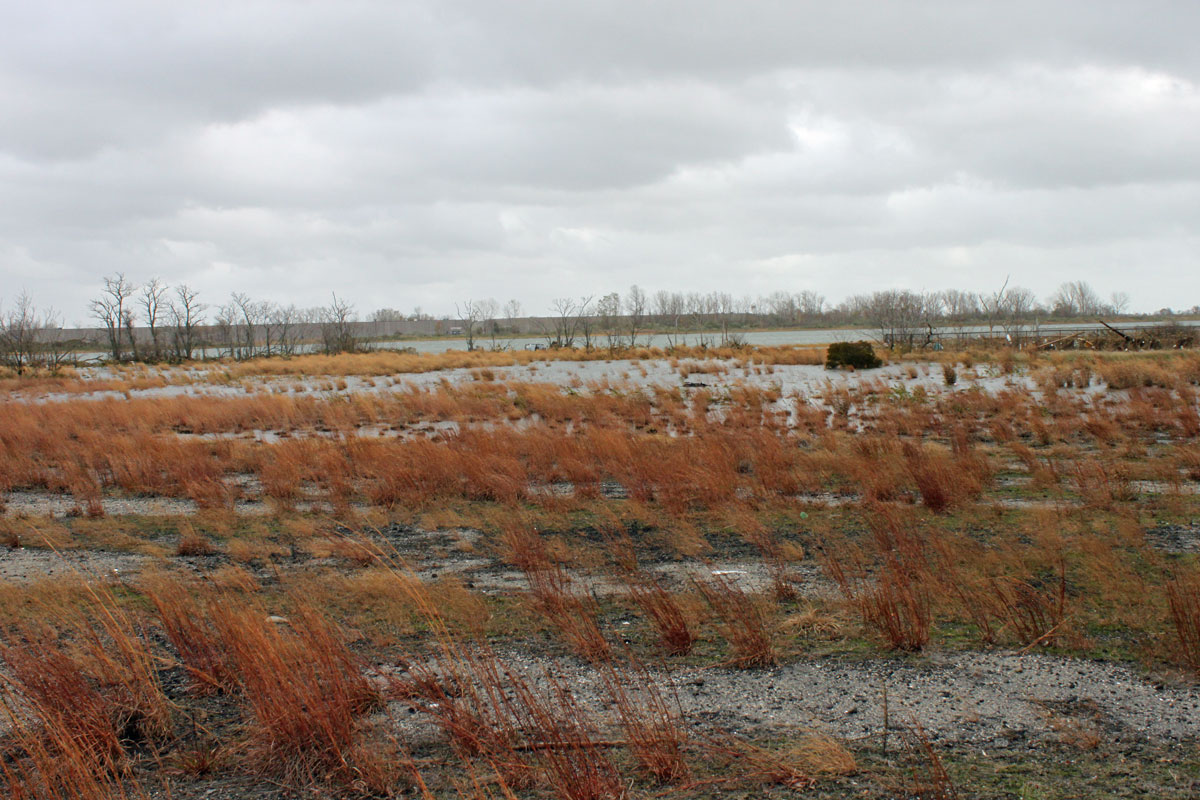
Second high tide after Hurricane Sandy, noon on Tuesday
Second high tide after Hurricane Sandy, noon on Tuesday, flooding the ground system
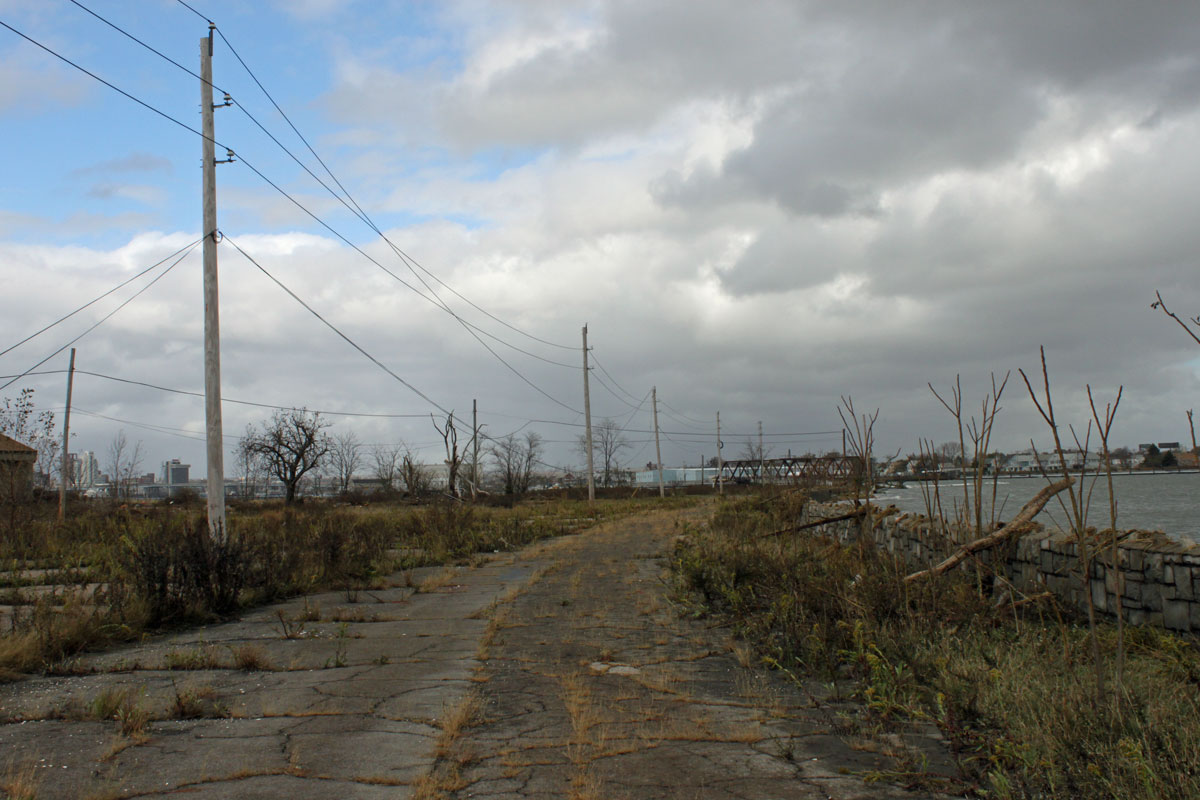
three phase power line down
Three phase power line down due to wind
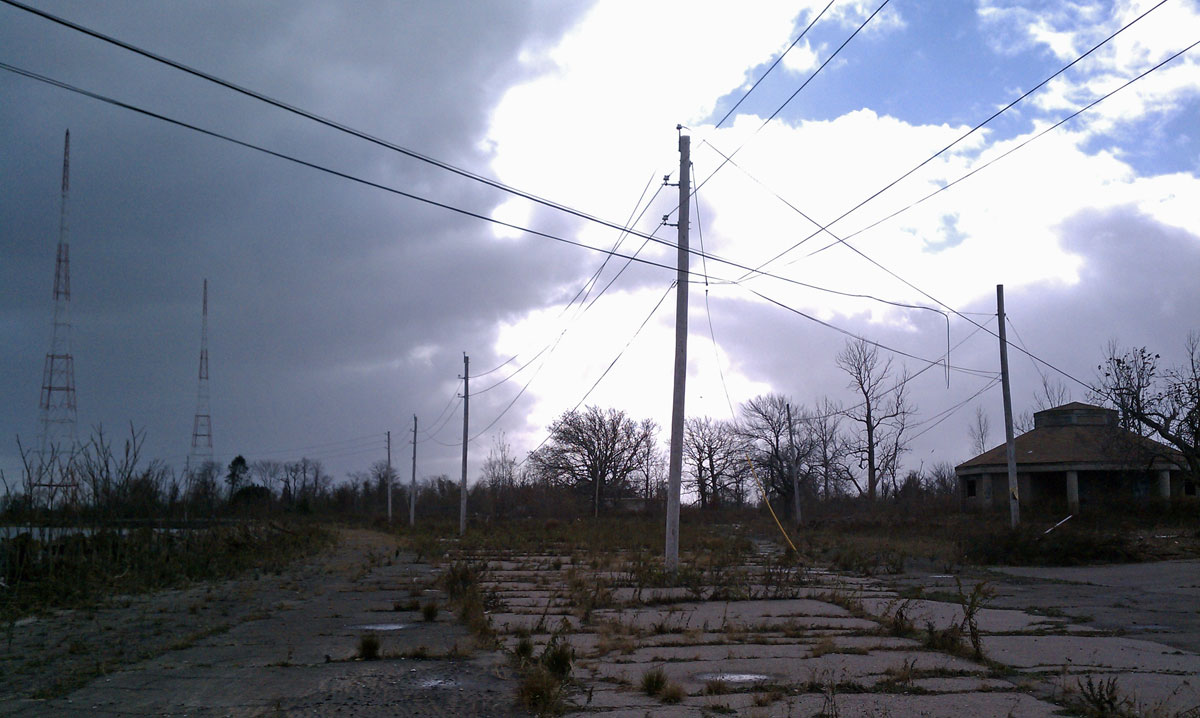
Three phase power line down
More wind-damaged power lines
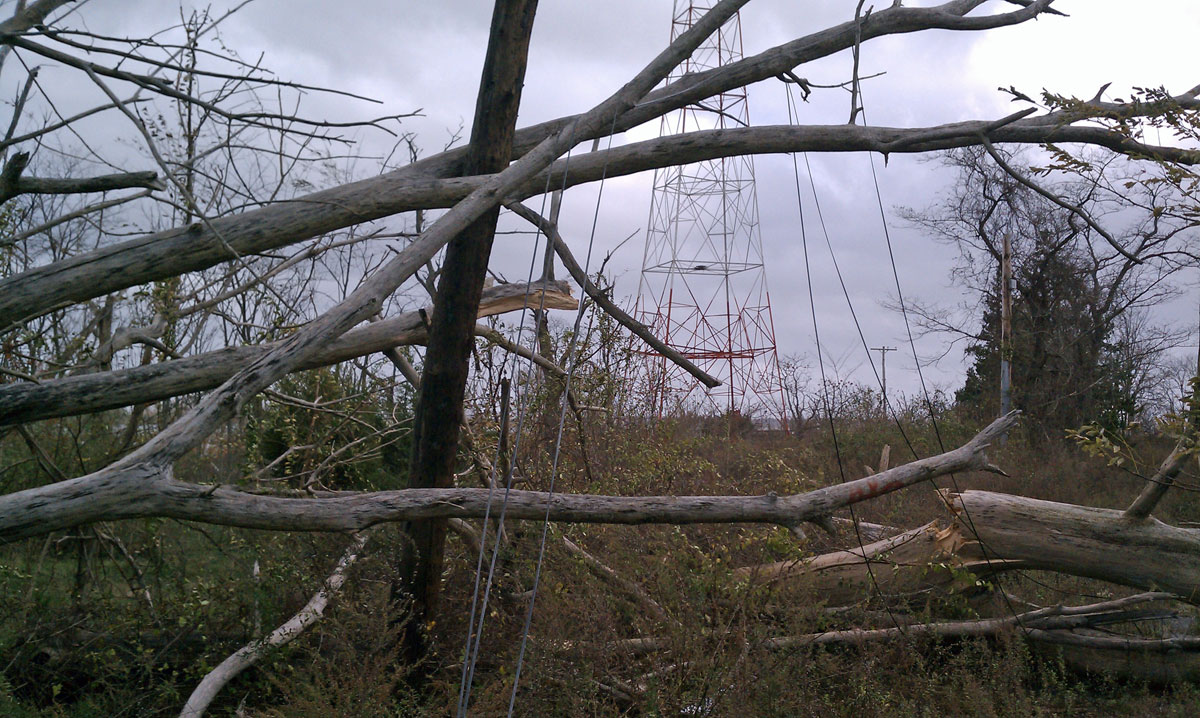
Telco wires taken down by trees
Telco wires were taken down by trees
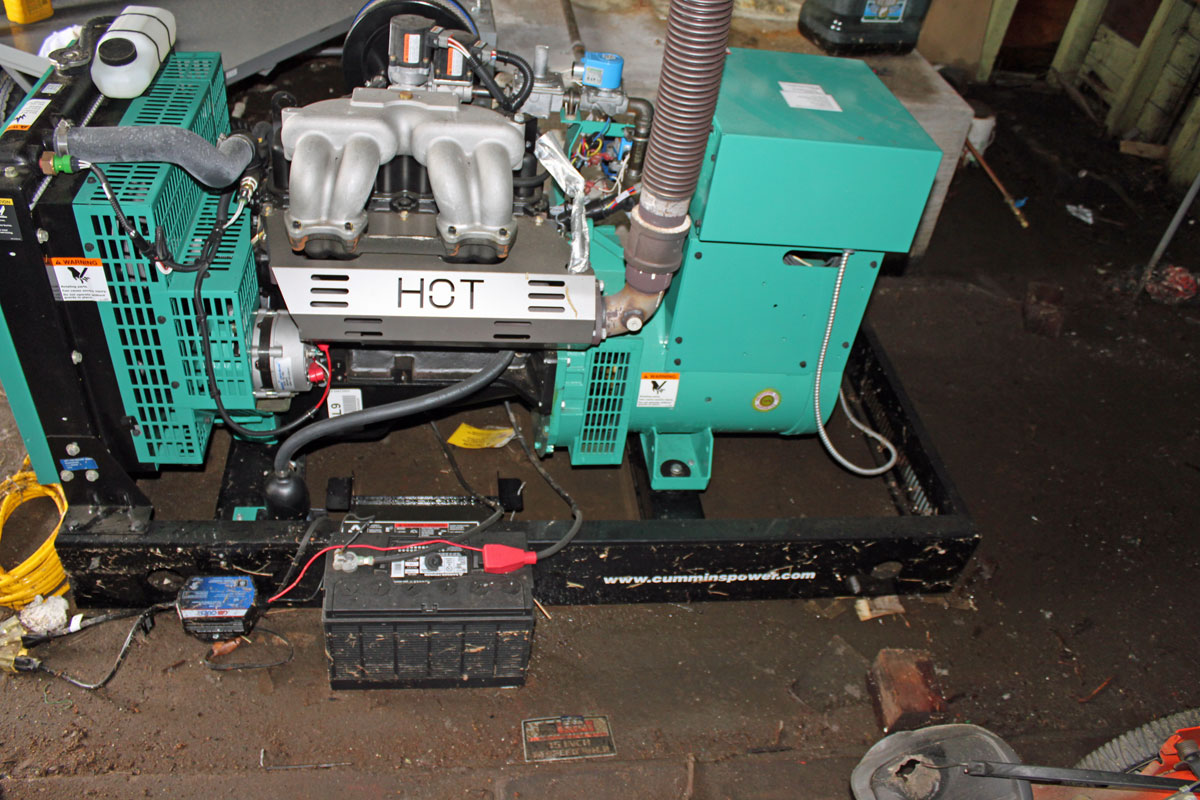
Generator room water level, as seen on the side of the battery

More work here tomorrow.

Update: Took longer than anticipated, but the station is back on the air with generator power as of 8:15 am, Thursday (11/1).  Commercial power restoration is not expected until Monday or Tuesday at the earliest.

Update: Commercial power restored on Thursday, 11/8 for a total outage of 10 days.  One good thing about incidents like this, I now have a fresh set of contacts for all the important people connected to servicing this site.