One of These Days

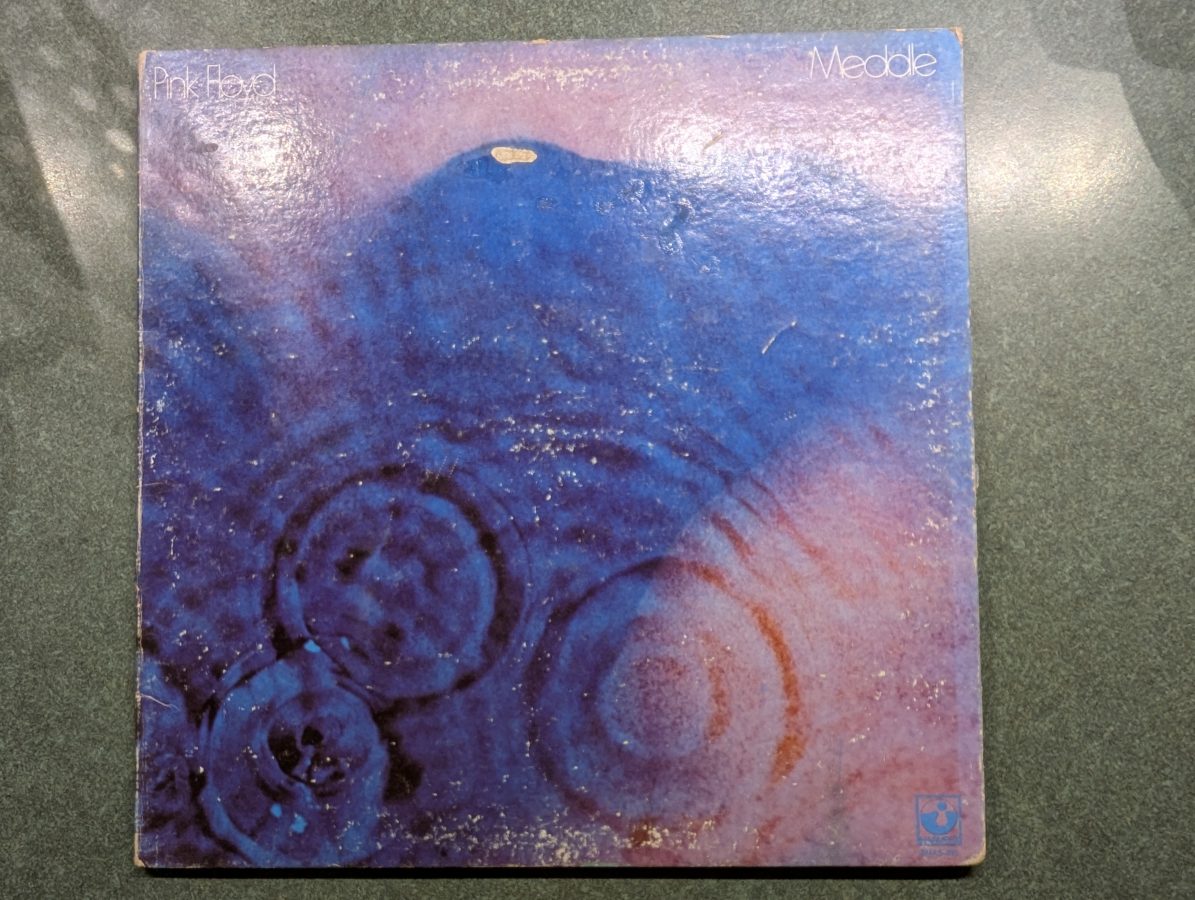
The name of a song on Pink Floyd’s album, Meddle, released in 1971. The only lyrics in the song are drummer Nick Mason, who says “One of these days I am going to cut you into little pieces.” This was recorded at double speed with Mason speaking in falsetto, then played back at normal speed. Anyway, a good song from one of my favorite Pink Floyd albums.

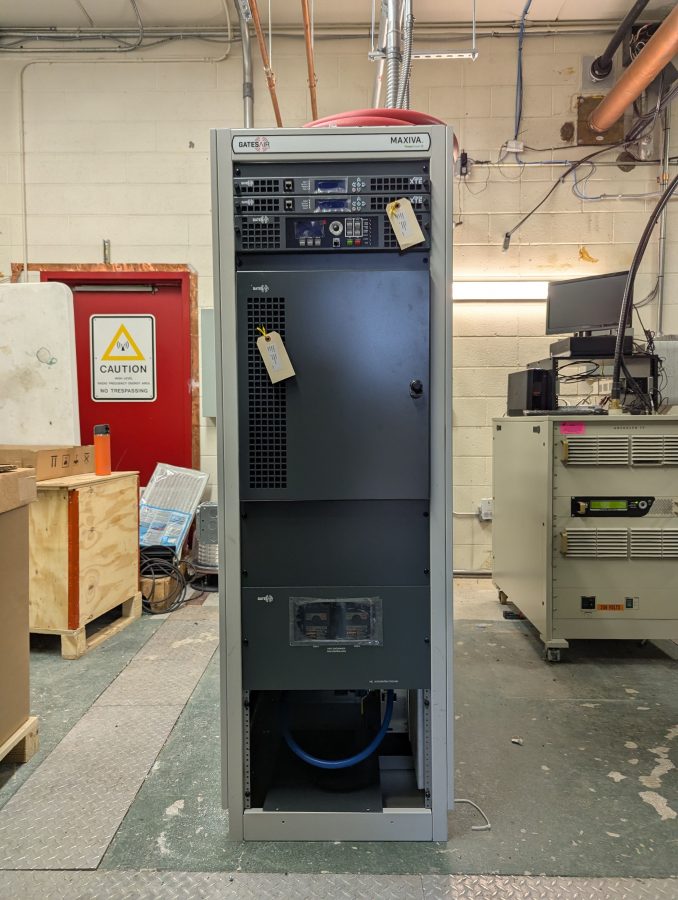
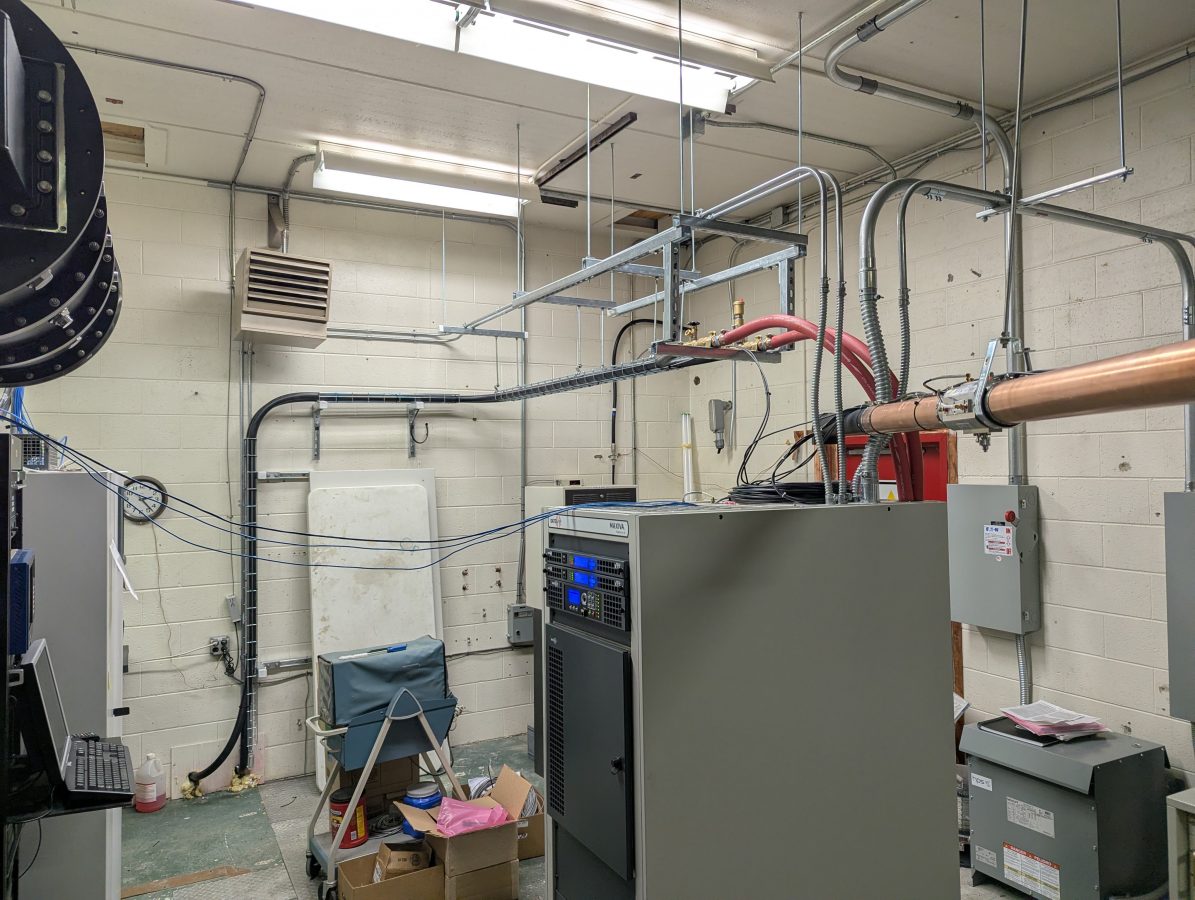
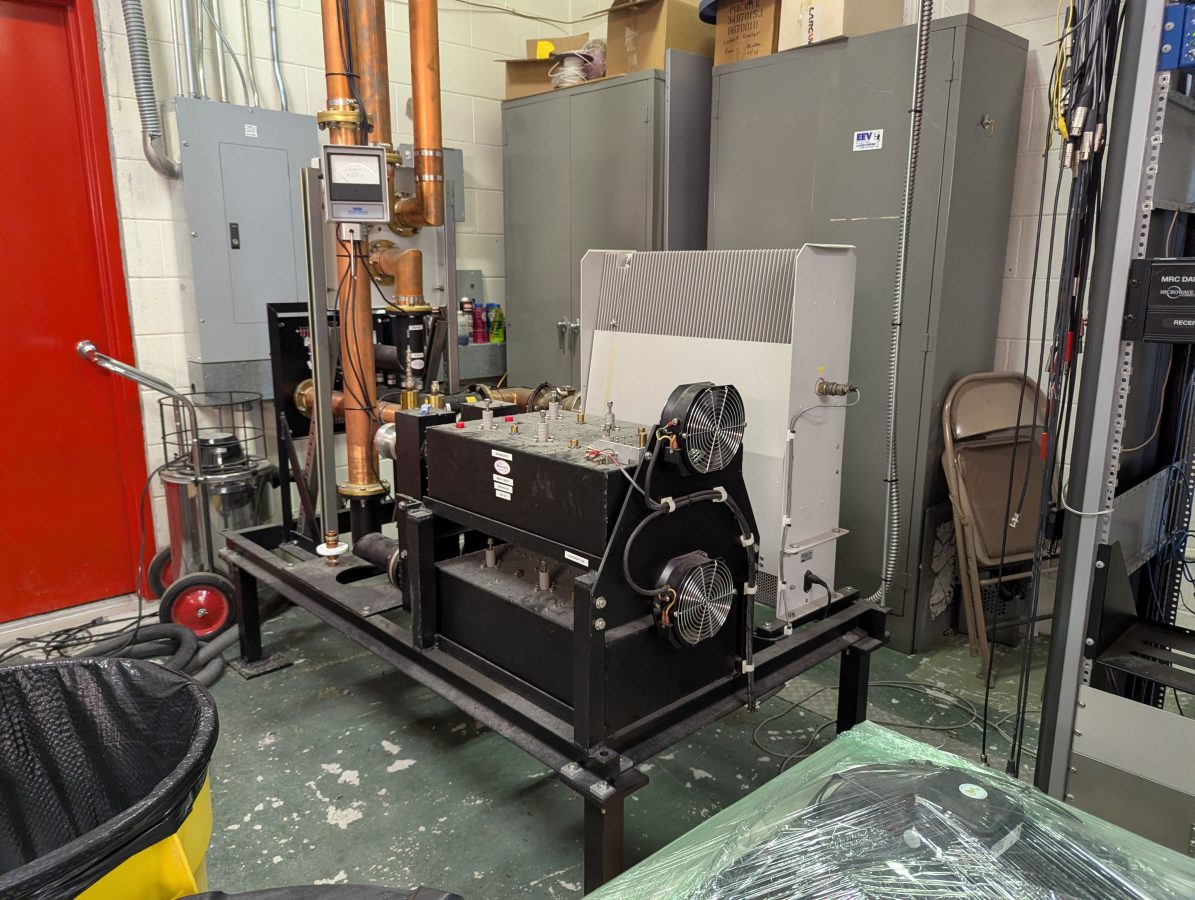
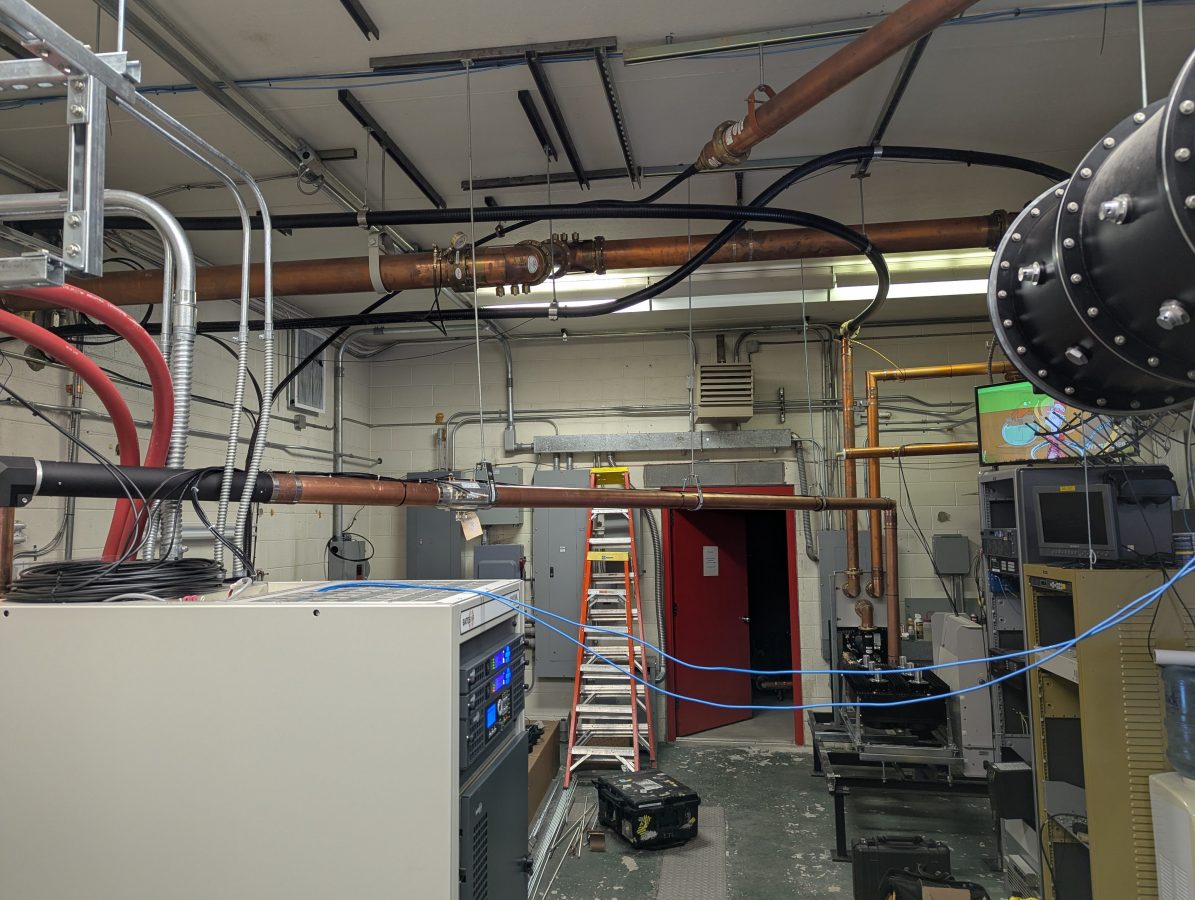
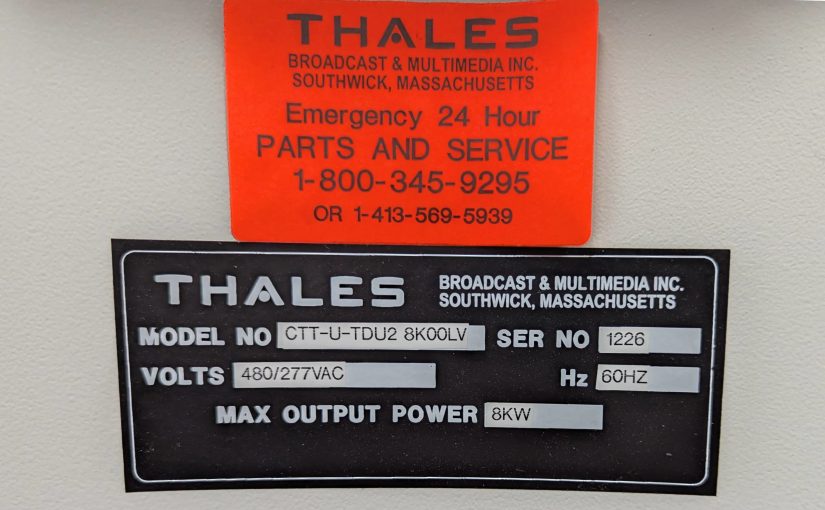
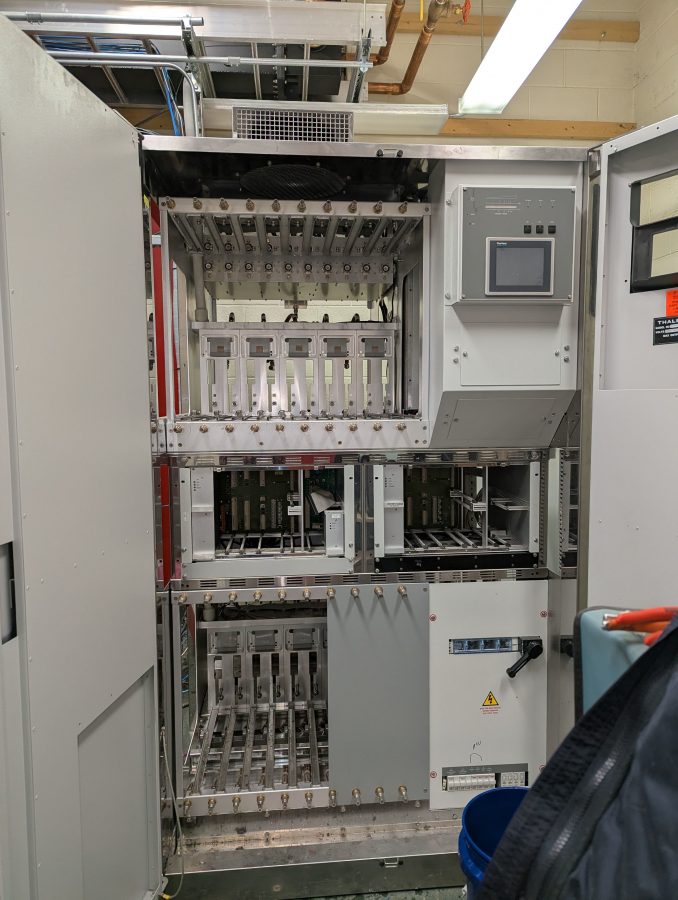
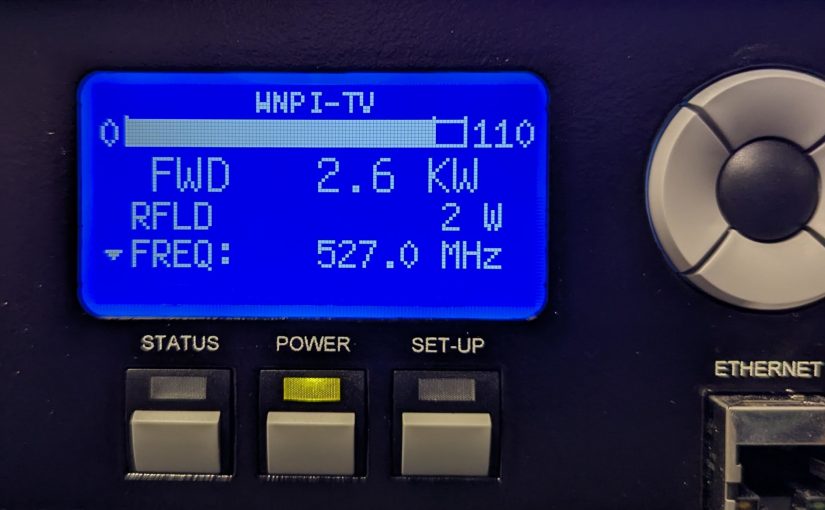
And so it was for this Thales UHF TV transmitter. Installed in 2005 or so during the early transition to digital TV for PBS affiliate WNPI-DT.

Decommissioning a liquid cooled transmitter requires a few extra steps. First and foremost, as much as possible the antifreeze needs to be captured and collected for proper disposal. In this case, approximately 110 gallons (417 liters) of Dowtherm heat transfer fluid was drained into barrels.

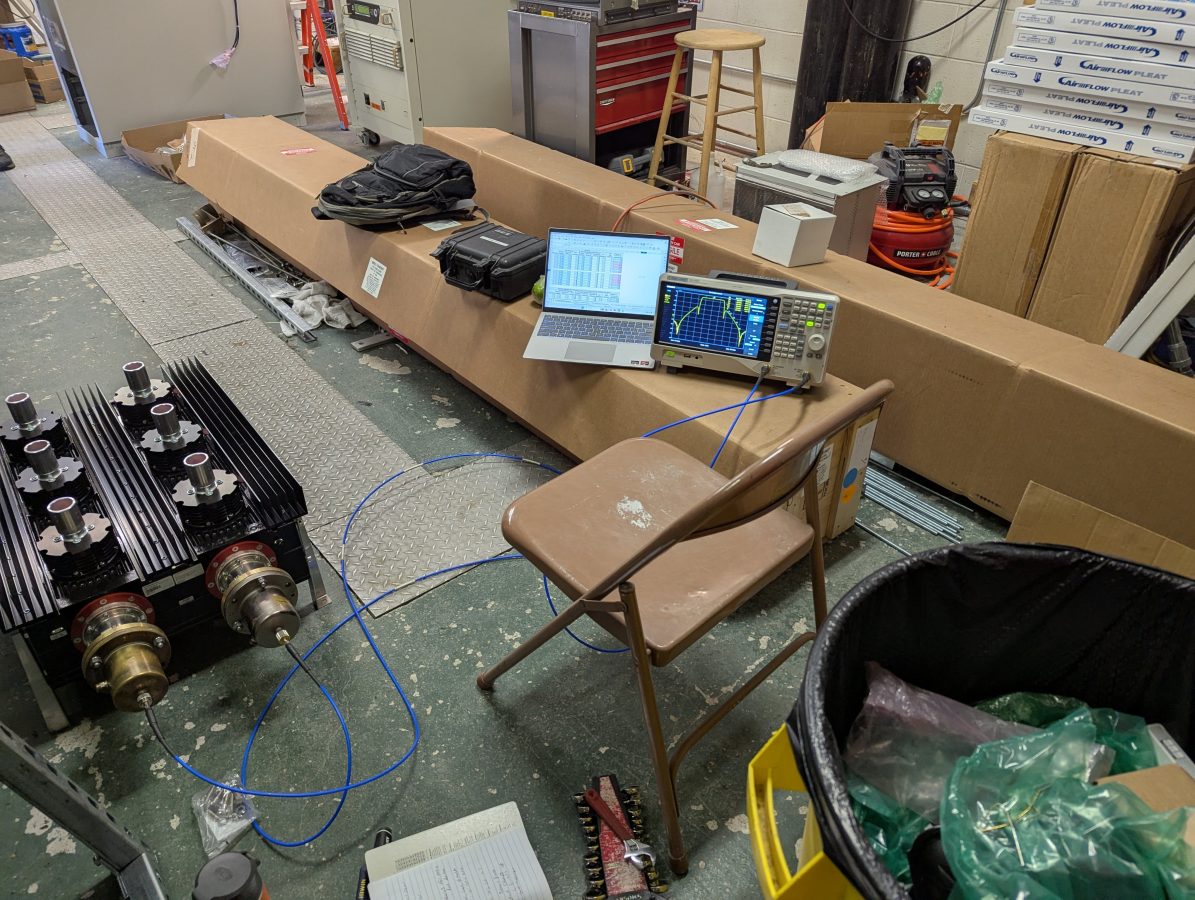
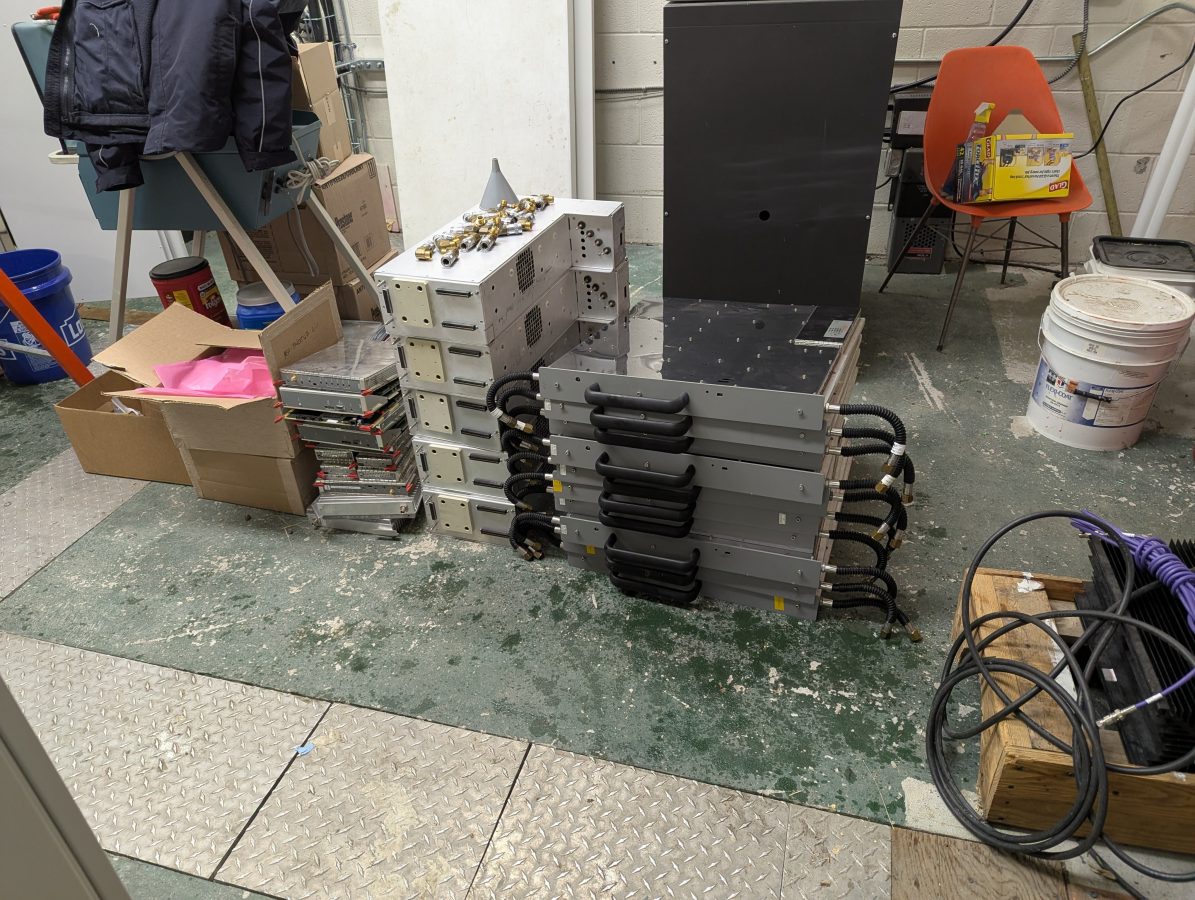
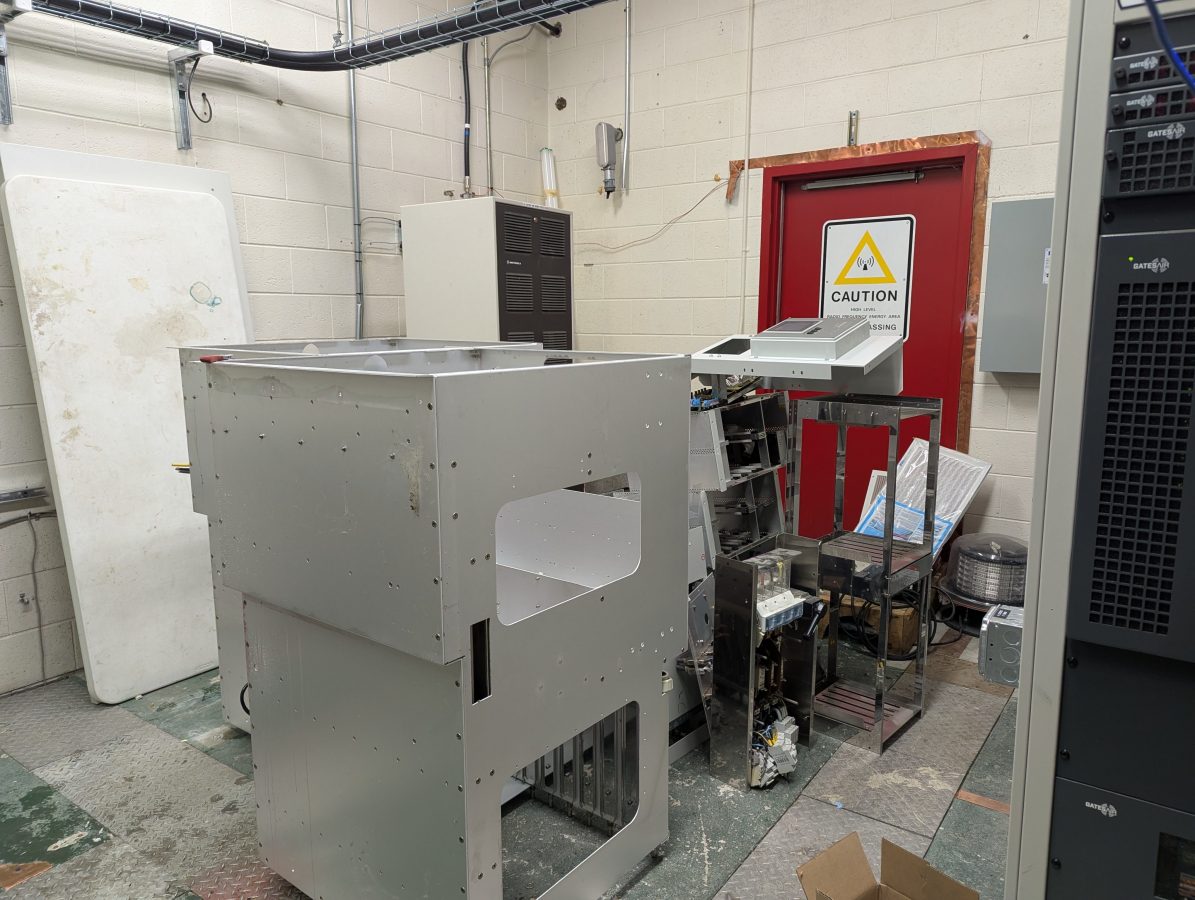
Next, all of the RF modules and power supplies were removed from the transmitter. Both needed to be drained of HTF.


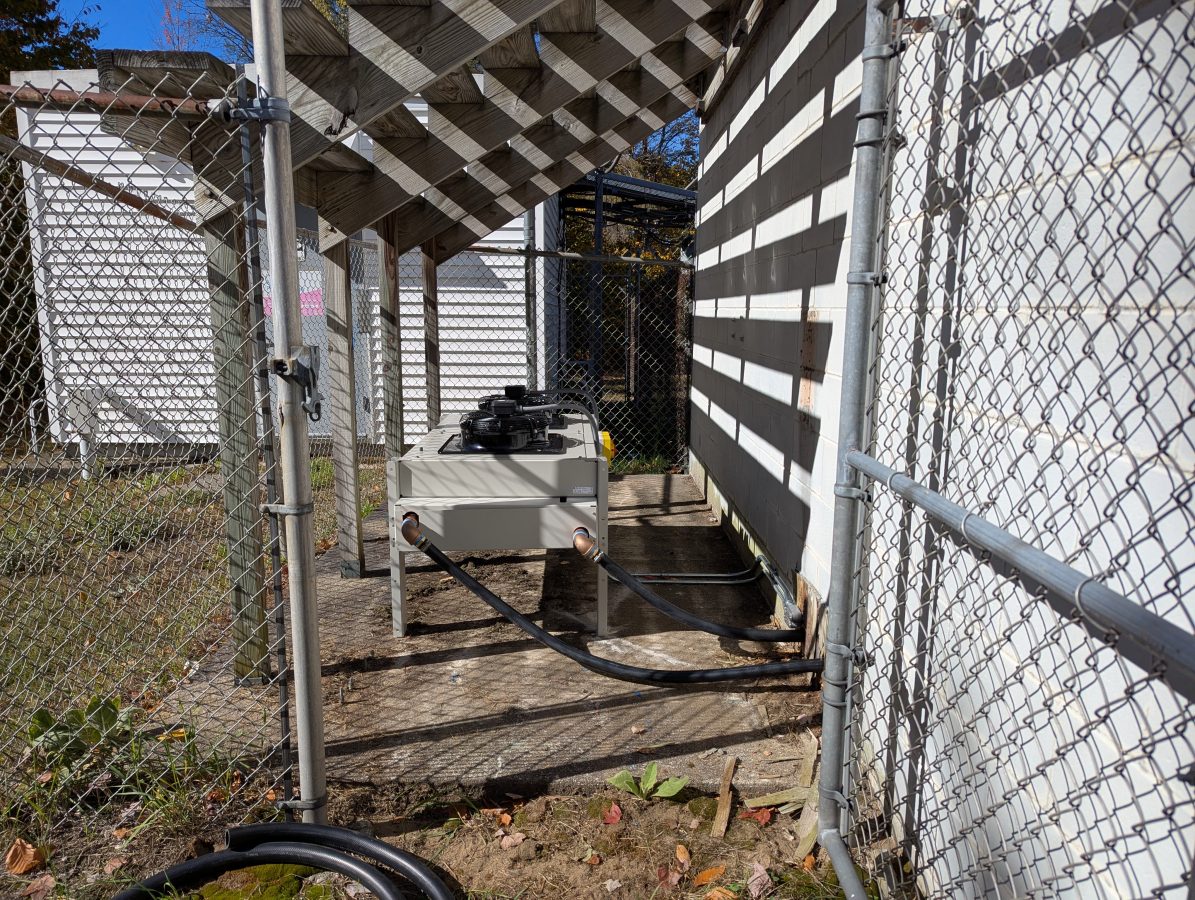
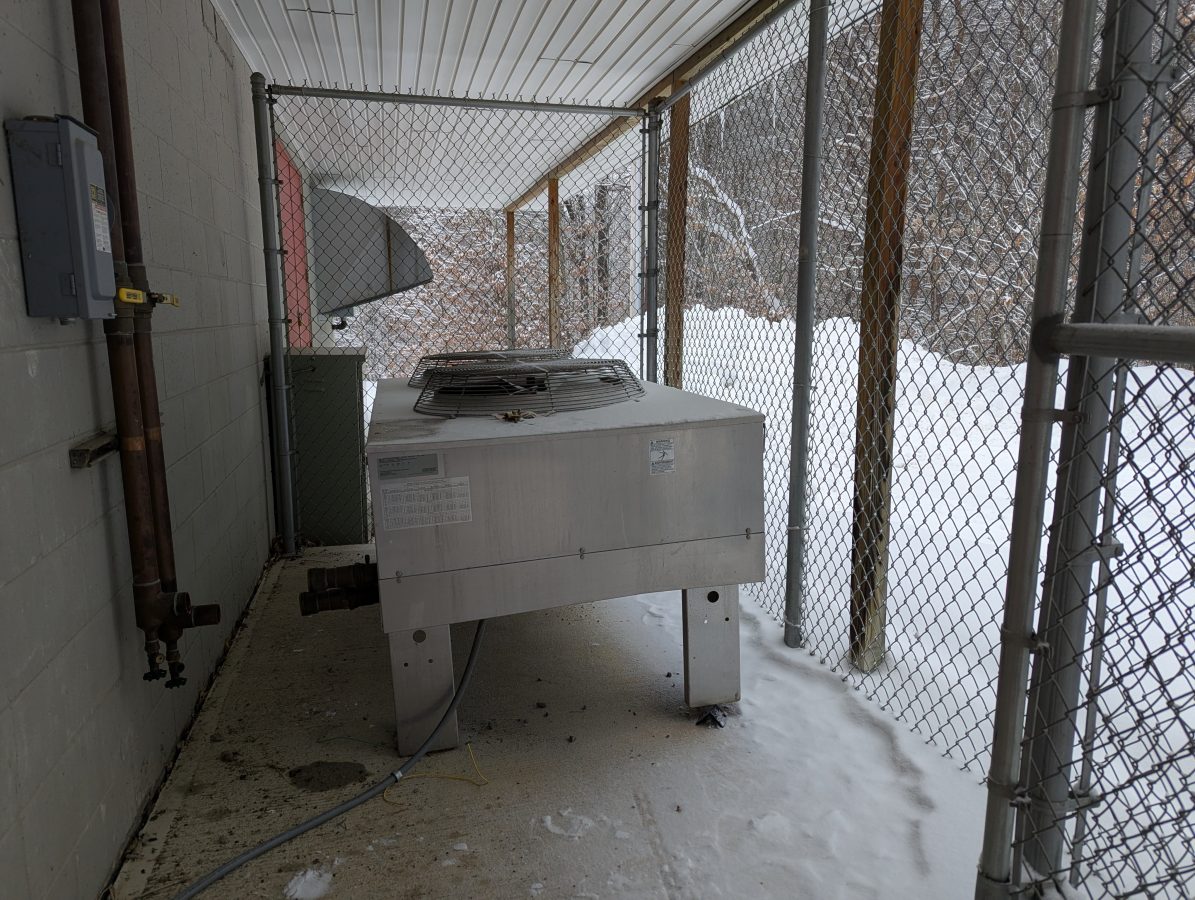
The outdoor heat exchanger presented a new problem:

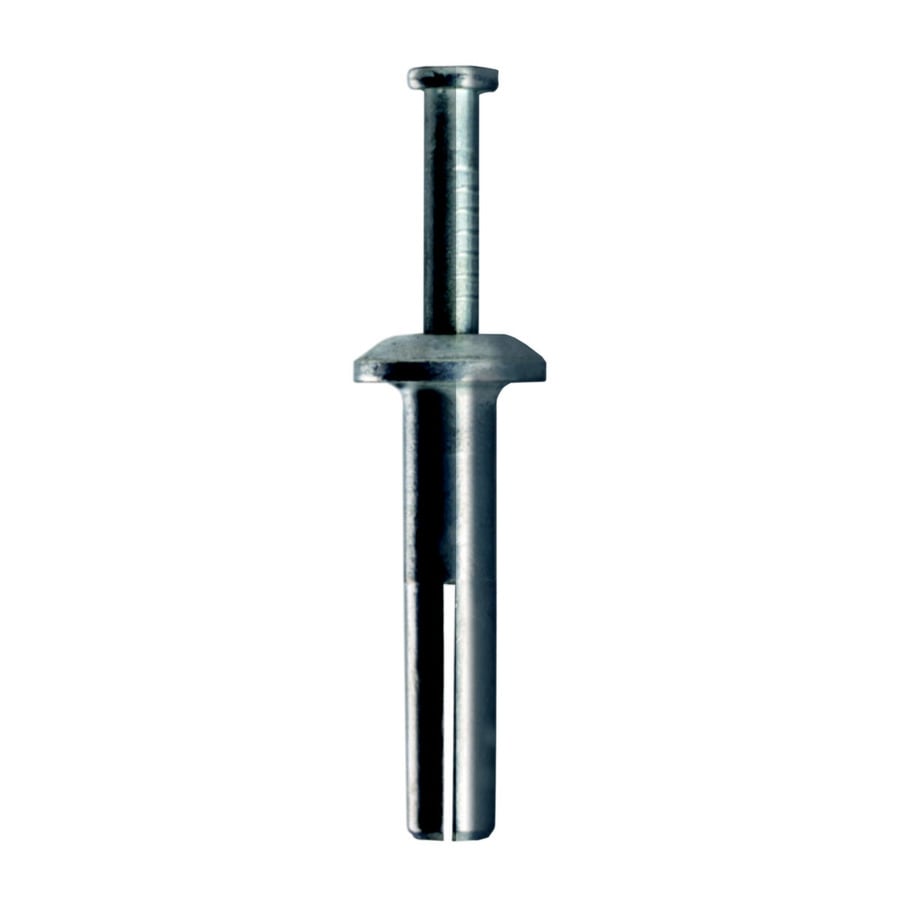
It was attached to the concrete pad with hammer fixed anchors which needed to be ground off with a hand grinder.


It was a little bit chilly on a 10 F (-12 C) day, laying on the concrete pad, in the snow, under the heat exchanger with a hand grinder grinding the top of of eight little round bolts. After that was done, I managed to pry the legs loose and tip it slightly to get the rest of the HTF out into a bucket. I think the HE had about 15 gallons (57 liters) of HTF.

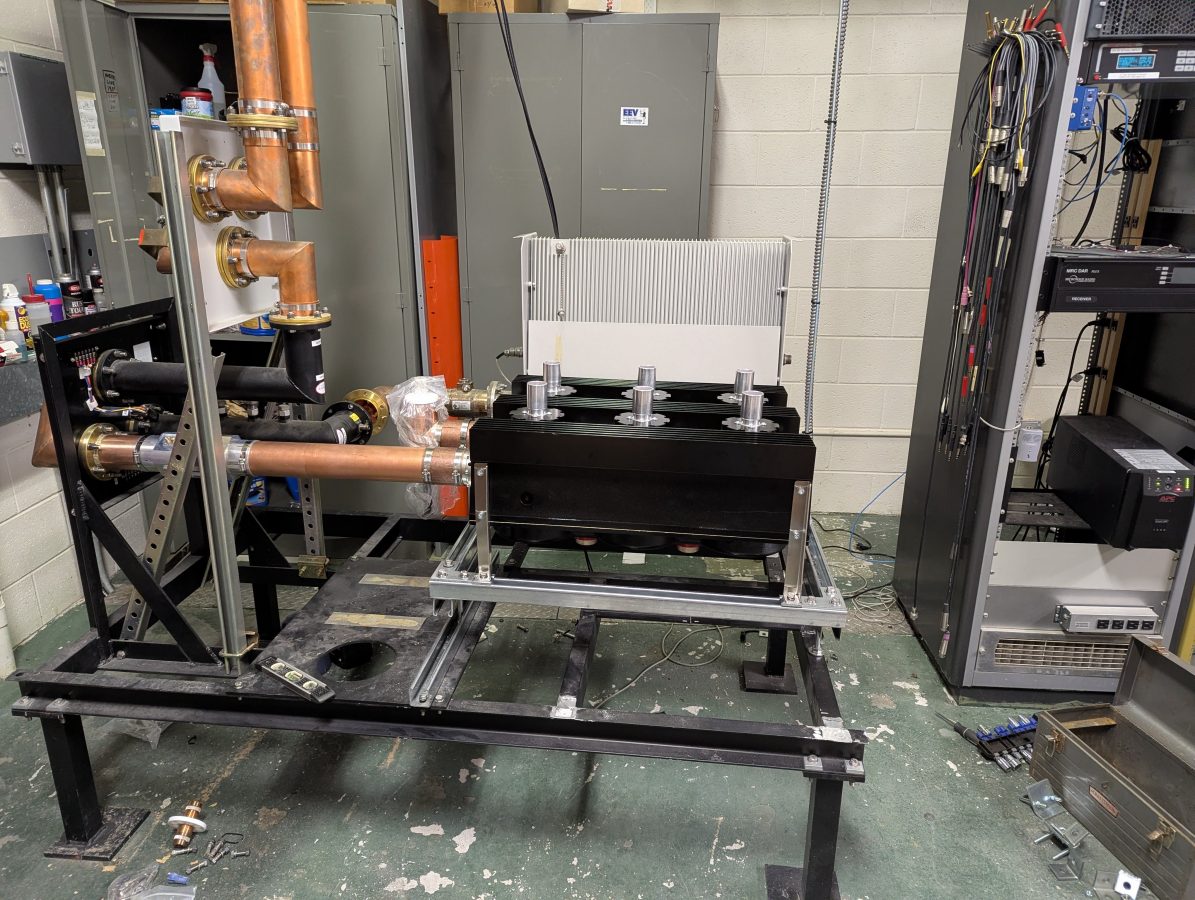
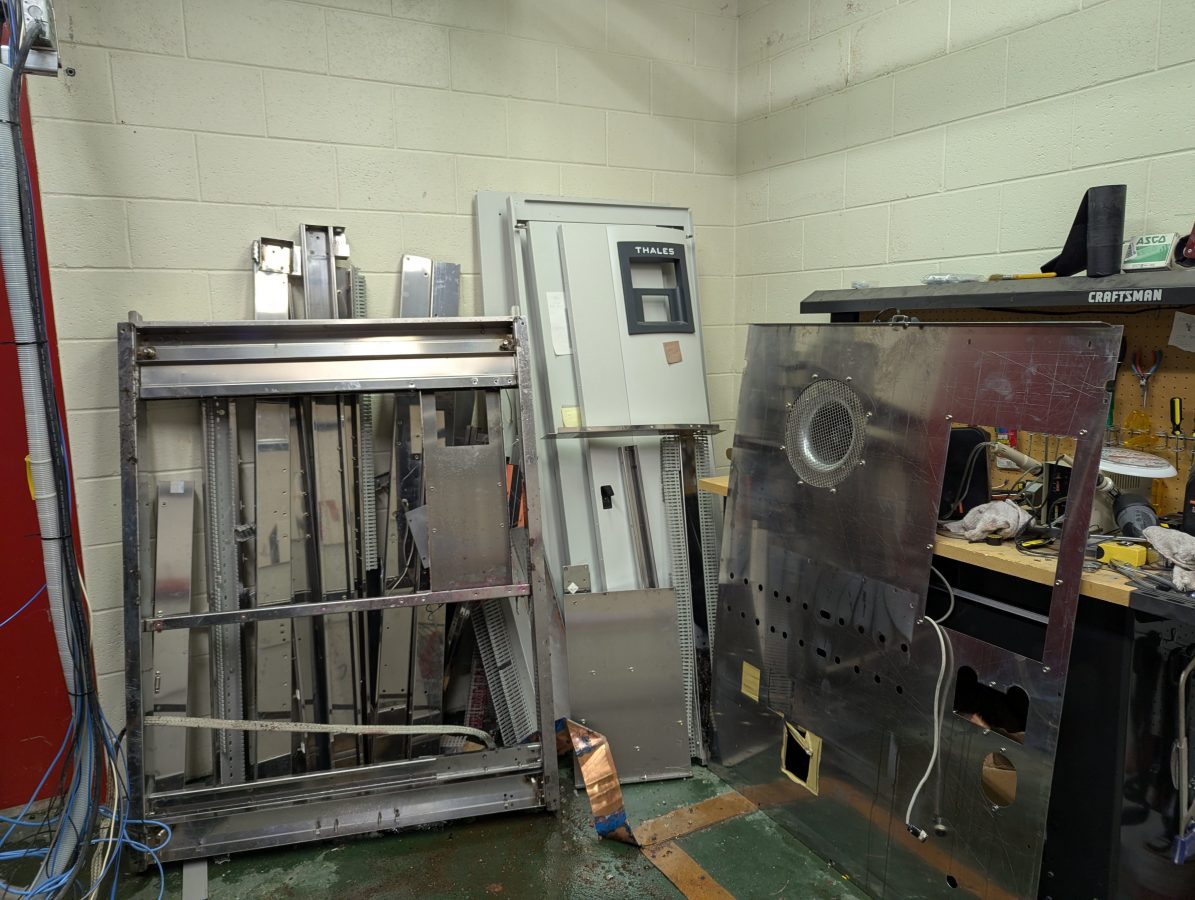
Next, all of the smaller sub assemblies were removed; the upper and lower RF module and power supply frames, the two control module frames, the rails that held the control modules, the AC power input and distribution frame and the controller frame and all the circuit boards. The RF module and power supply frames had HTF tubes and pipes that needed to be drained. The circuit boards are disposed of as E-waste.

The wiring harness was removed.


Finally, the stainless steel main cabinet frame was cut into manageable pieces with the battery powered sawzall (reciprocating saw) so that it could be carried out of the building.

All in all, it was a fun project.

Local Power TV

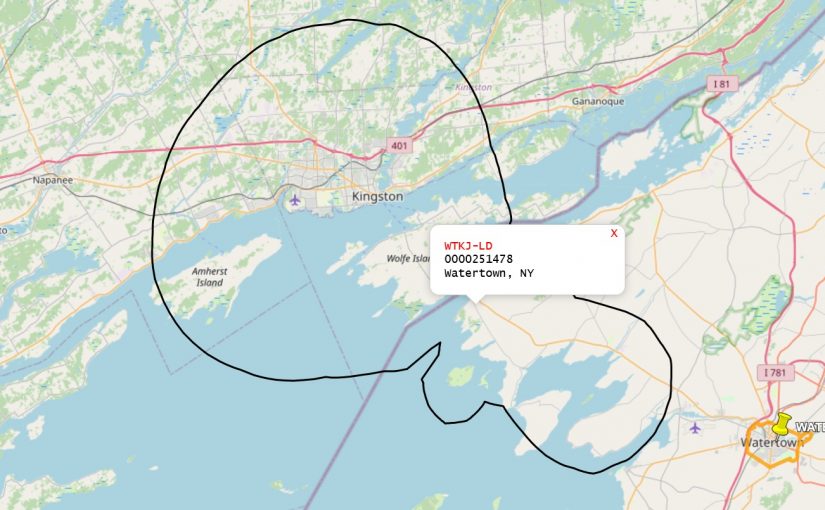
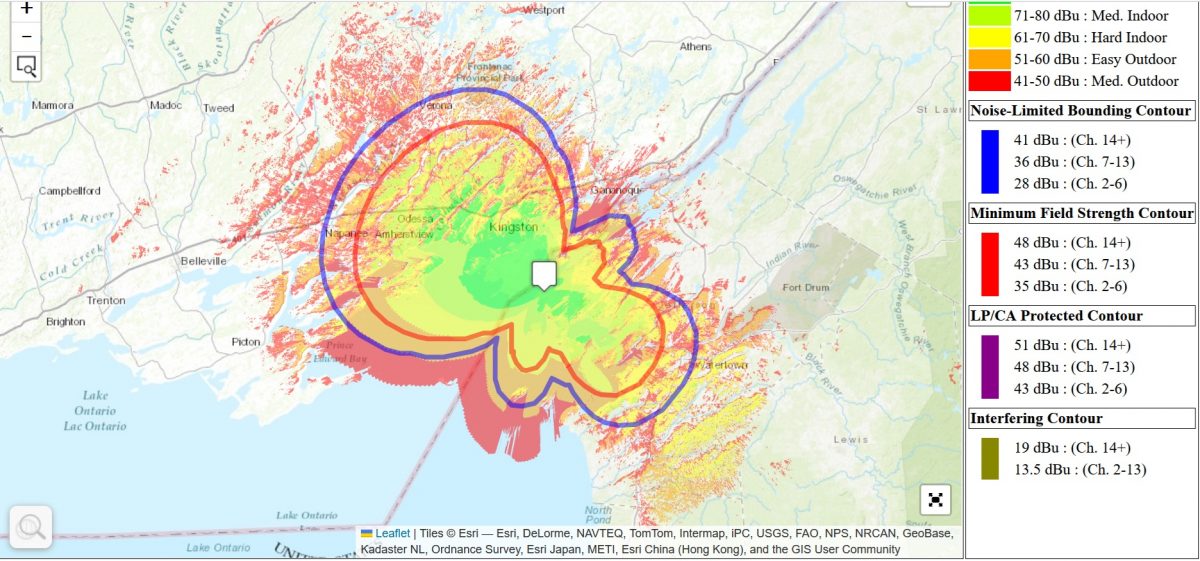
Installing another couple of these stations recently in the New York/Canadian border region. In this case, WTKJ-LD now transmitting from Cape Vincent, NY. This is owned by Sagamore Hill broadcasting and is retransmitting the NBC affiliate from Watertown, NY.

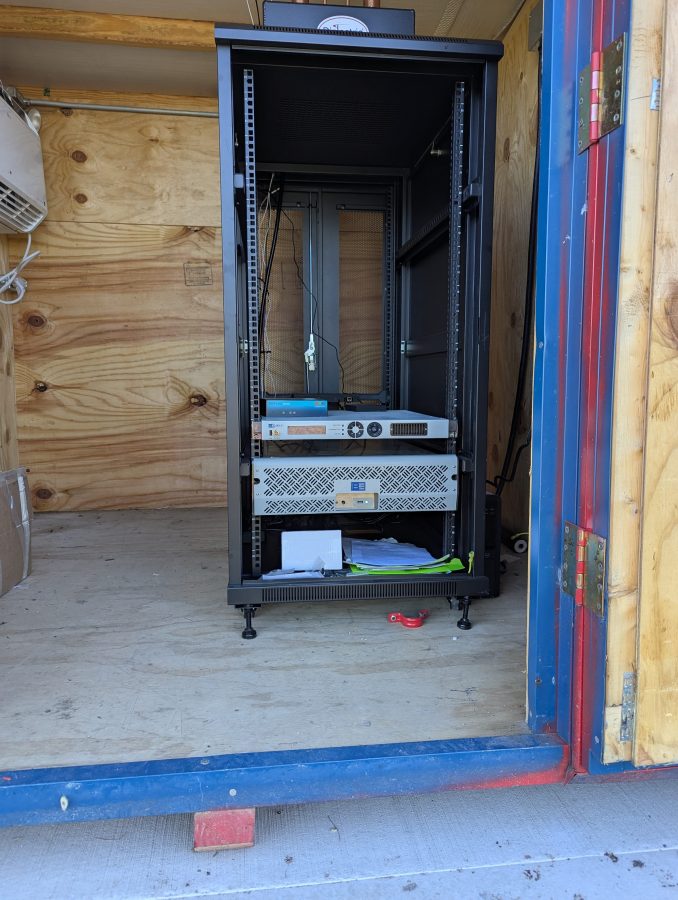
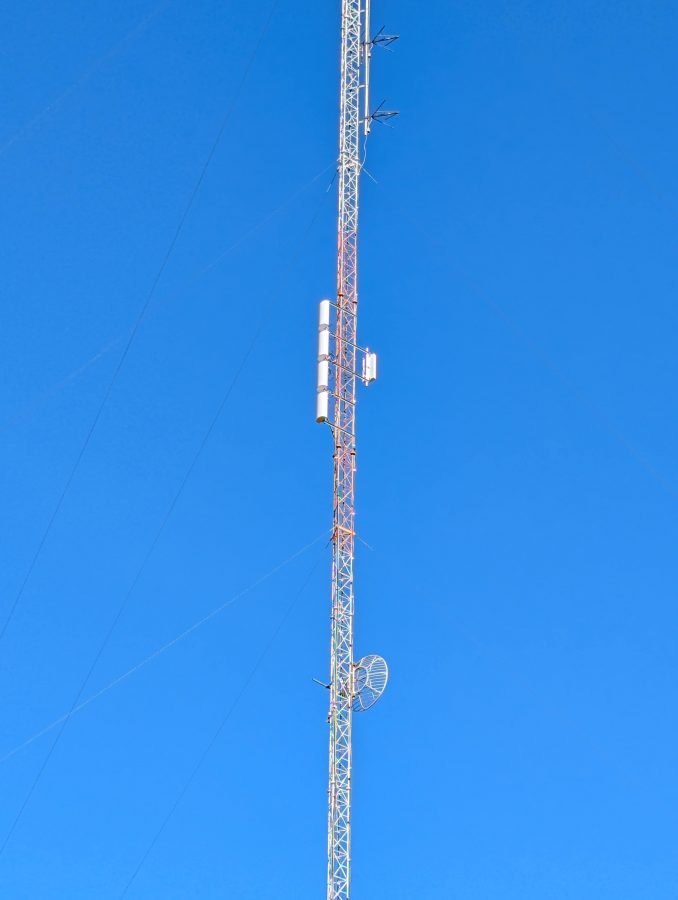
This is a pretty simple set up; BE 600 Watt UHF TV transmitter, Pro Television Exciter, 6 pole Dielectric Filter, and an 5 panel UHF antenna.

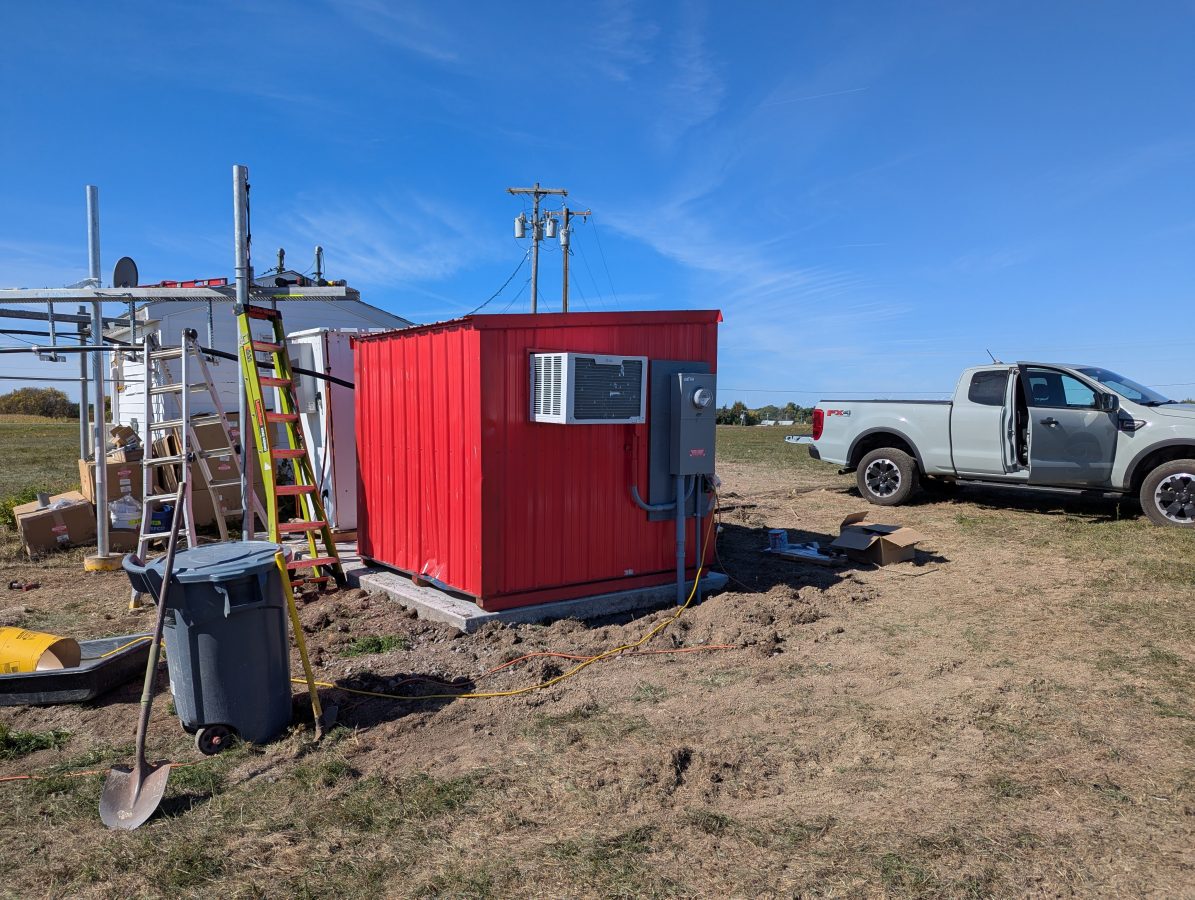
The shelter was made by Broadcast Electronics, it is somewhat small, but serviceable.

The LG window unit works well enough to keep the shelter cool. The transmitter runs at about 35% efficiency. The TPO is 470 watts, thus the transmitter puts out about 300 watts of heat into the room continuously.

The local cord cutters can get the following channels:

19.11080iDD5.1 WVNC-NBC
19-2480i (w)DD2.0 Antenna TV
19-3480i (w)DD2.0 ION
19-4480p (w)DD2.0 Grit
19-5480p (w)DD2.0 Bounce TV
19-6480p (w)DD2.0 Court TV
19-7480i (w)DD2.0 QVC
19-8480i (w)DD2.0 SonLife

The weather up here is great! Cape Vincent is a nice small village with some decent local businesses. Unfortunately, summer is their main focus and many of them have closed down for the season. Still, there is a decent cup of coffee and the local market has a deli section that makes good sandwiches.

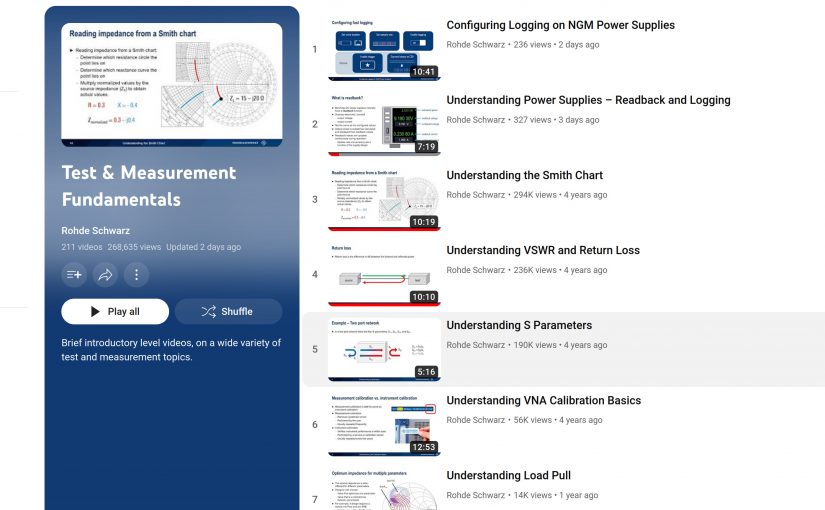
Rohde Schwarz Test & Measurement Fundamentals

I found a great resource for learning about test and measurement on Rohde Schwarz’s YouTube channel. Each video is about 5 to 15 minutes long and covers the basics of RF test equipment, measurement parameters, and definitions.

Rohde Schwarz Test and Measurement Fundamentals

Measuring RF systems is an important part of Broadcast Engineering. Many folks think that RF plants are going away, replaced by all IP content distribution. I disagree; Terrestrial Broadcasting will be around for a while yet. AM and FM radios are still ubiquitous in cars, homes, businesses, etc. There is no other information distribution method that is as simple and robust as over-the-air broadcasts. That is why Federal Emergency Management is still spending money on hardening broadcast facilities.

The Internet and Mobile Data in particular are susceptible to failure in emergencies. Cellular networks were almost useless due to congestion or system outages during the 9/11 attack or a natural disaster such as Hurricane Sandy.

Radio still has a role to play.

As the older Broadcast Engineers retire, there is a dearth of qualified RF specialists who can make accurate measurements on antenna systems, filters, and other transmission system components. There are very few mentoring opportunities, especially in commercial broadcasting. Gone are the days of several engineers on staff, when there was time to teach the younger people some hard-learned lessons. One of the reasons I write this blog is to pass along some of that knowledge to others so that the industry might survive.

Some More TV work

GatesAir contracted me to go to Utica, NY, and do some repair work. WKTV has a ULXTE-50 UHF transmitter which burned out an RF elbow between the UHF combiner in cabinet 1 and the UHF low pass filter for cabinet 1.

Burned-out RF parts
3 Port UHF combiner, cover removed for cleaning

There was a bunch of burned debris in the bottom; little bits of melted metal and plastic.

Bottom of UHF combiner

We first vacuumed out as much stuff as we could get. Then used an air compressor to blow the rest out and wiped everything down with clean rags and Windex.

Once that was done, the unit was reassembled and reinstalled in the transmitter. A new elbow, UHF low pass filter, and direction coupler were installed and the transmitter powered back up.

WKTV RF channel 29, 708 KW ERP, 990 foot (302M) tower

The transmitter site is actually located north and slightly west of Little Falls, NY. The station has been on the air since 1949 and the original GE transmitter is still in the garage. It was difficult to squeeze in and get a look at the transmitter, however, the operator’s console was out in the open:

GE TV control operator’s console, circa 1949

In most places, this would have been thrown out years ago. Now, it is a museum piece. Lots of interesting history in the Wikipedia article, too.