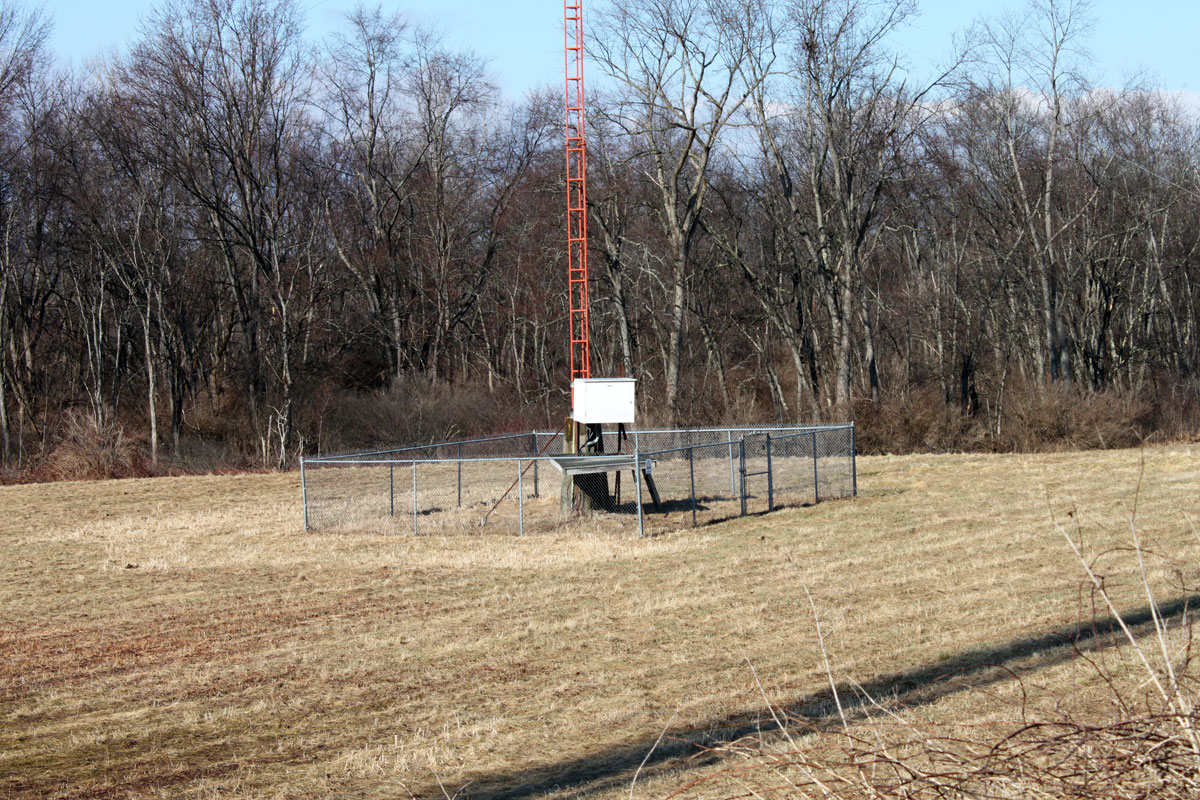
Something that I eluded to in a previous post, we finalized the move of the WSBS translator, W231AK, from the Fairview Hospital in Great Barrington to the side of the AM tower.
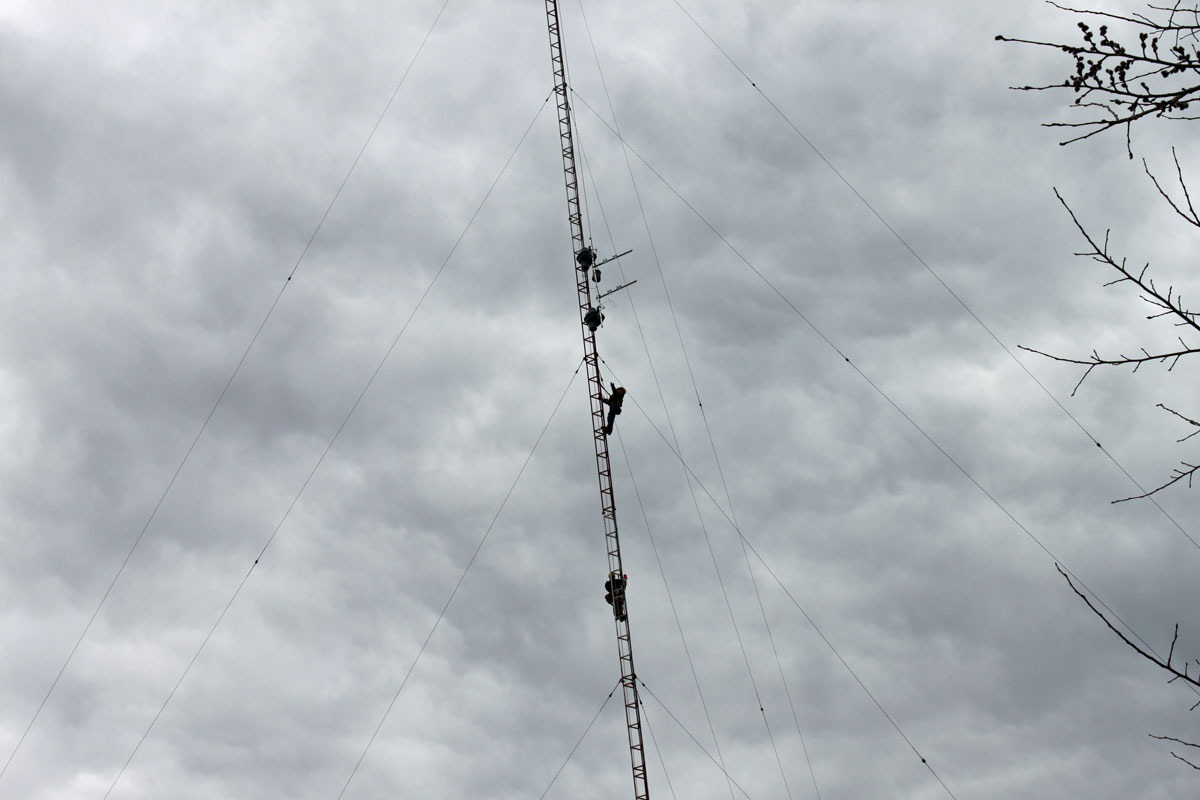
Tower crew hanging translator antenna on AM tower
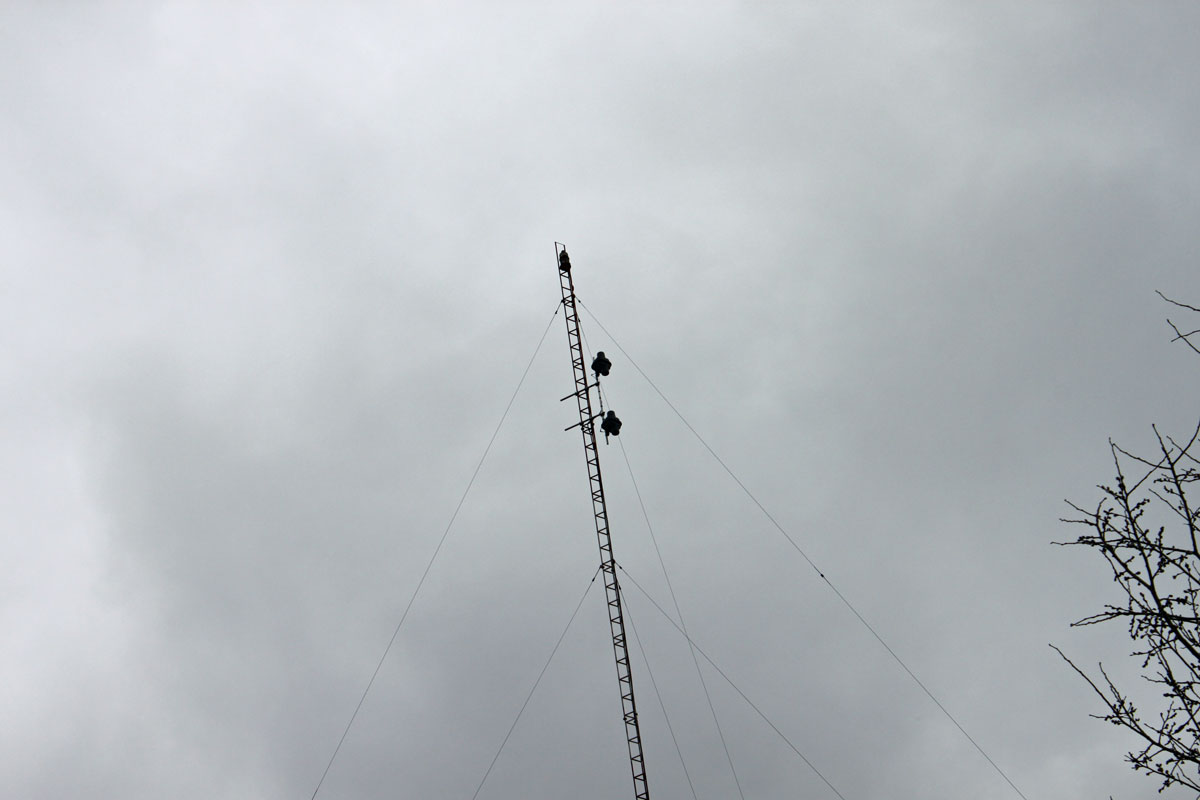
The move was started by hanging a new Shively 6812B antenna from the side of the AM tower, located off of US 7, north of Great Barrington. This is a half-wave-spaced circularly polarized antenna.
While this work was going on, some guy from OSHA showed up and started taking pictures without asking permission or telling anyone who he was. We informed him that he was on private property and asked him his reasons for being there. He got in his car and left, no doubt to a parking lot down the road so he could keep the tower climbers safe… mostly from themselves… by levying huge fines for free climbing… Wasn’t there something in the news about the government running out of money? Anyway…
W231AK antenna, Great Barrington, MA
WSBS had been using this translator for a few years. The advantages for the station from the translator move are greater power output (from 35 watts to 250 watts ERP) and less operating expenses in the form of TELCO line charges and roof top rental at the Hospital.
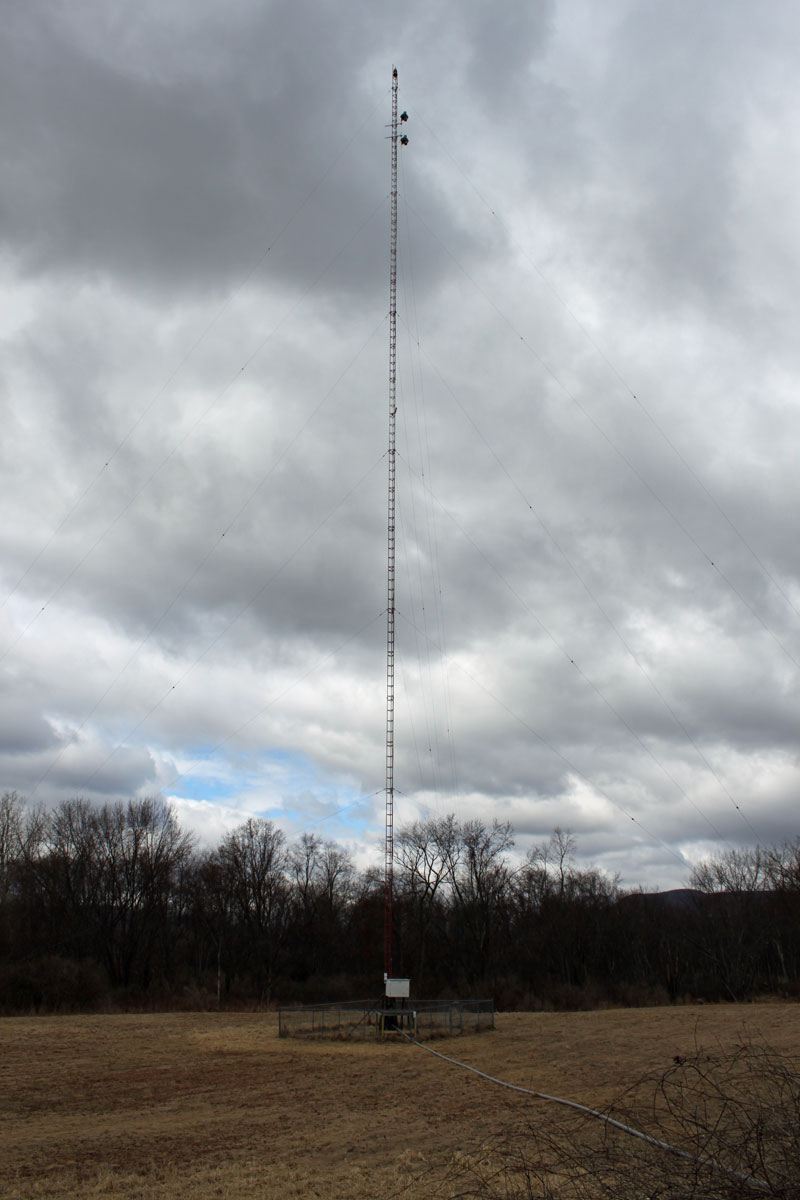
WSBS tower with W231AK antenna mounted
In addition to that, the reliability of the translator should increase, as there have been several instances in the past when TELCO line problems have taken the translator off the air for days at a time.
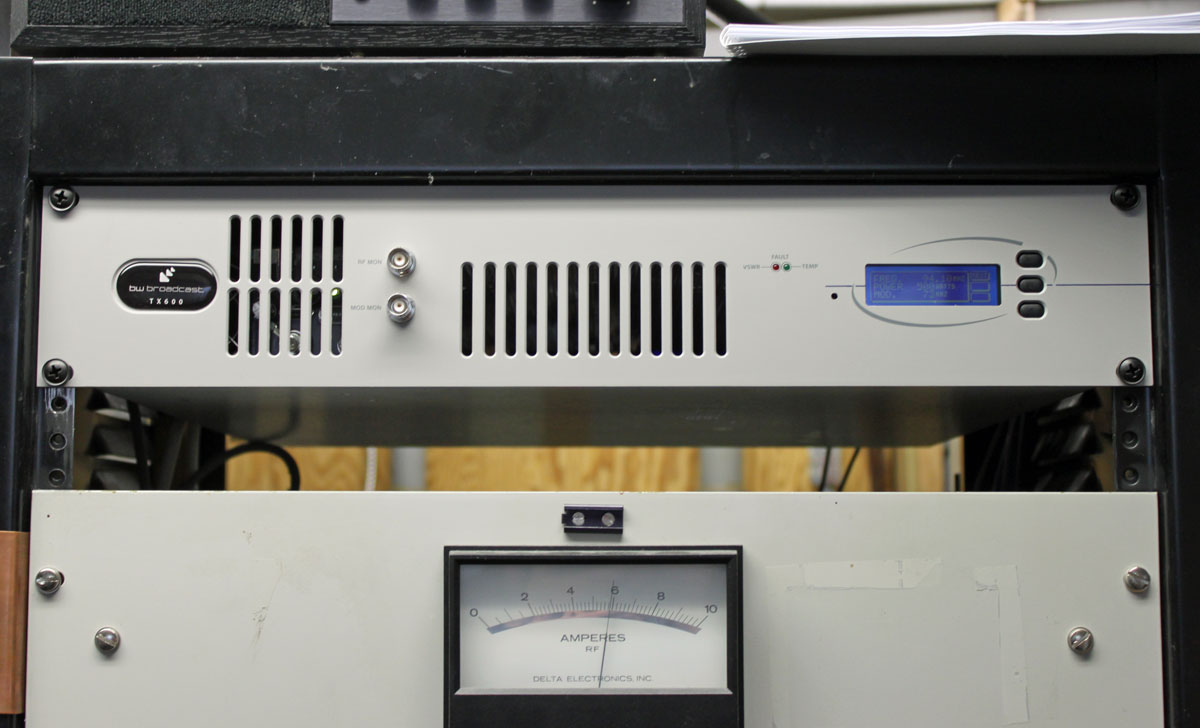
W231AK new transmitter, WSBS base current meter below
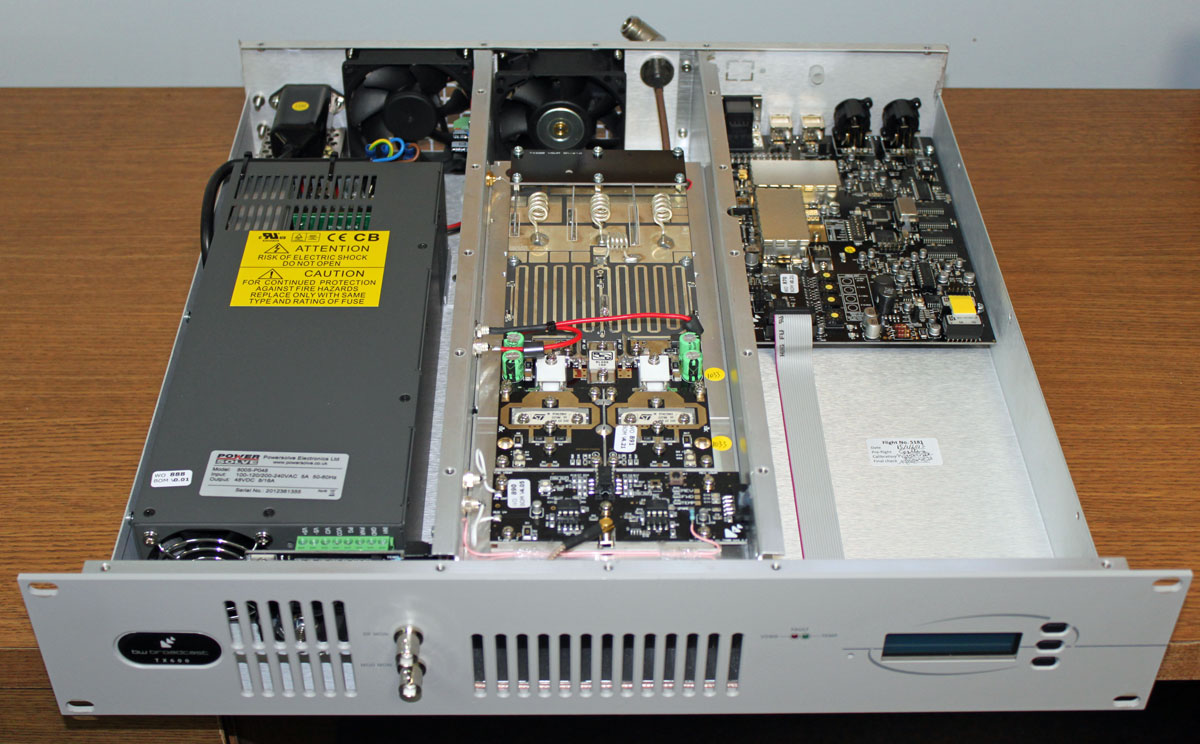
The transmitter for W231AK was changed from a Crown 35 watt unit to a BW Broadcast T600. These units are made in the UK and it is an all-in-one processor/exciter/transmitter. We took the cover off to make a few configuration changes and the entire unit is very well made.
BW Broadcast T600 insides
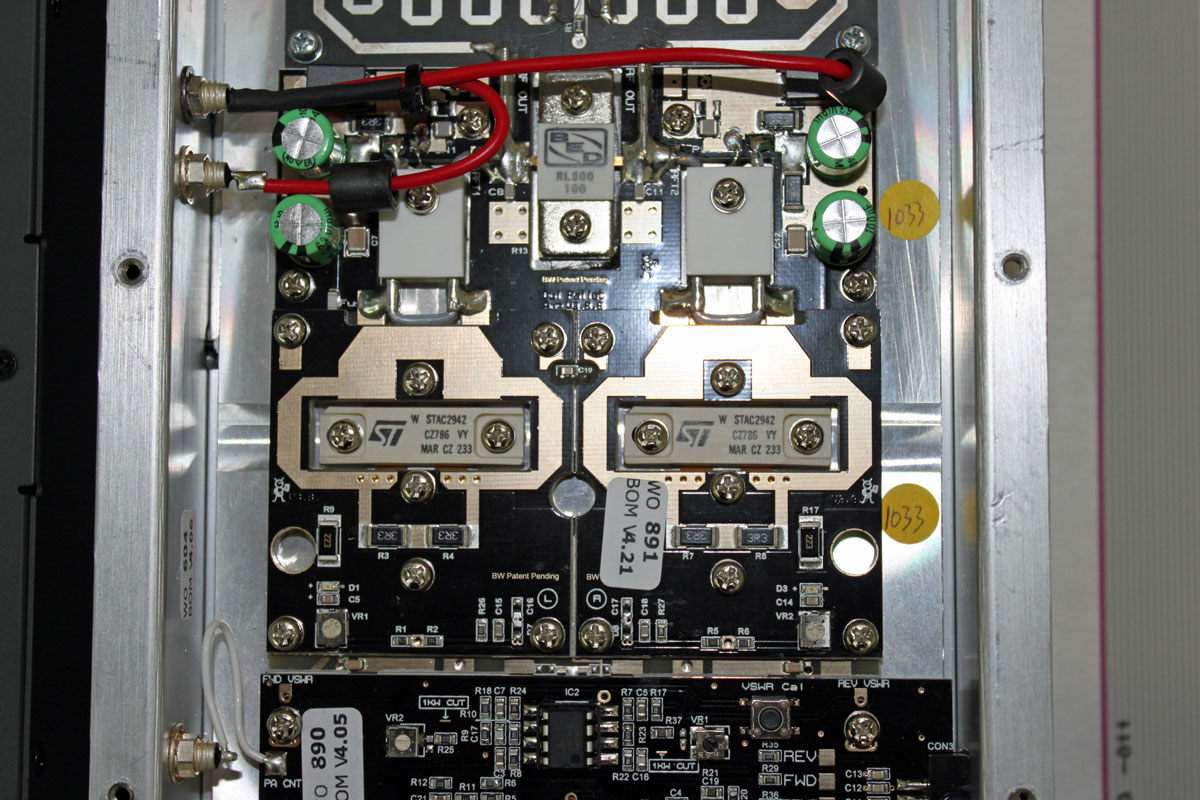
One of the nice features of this particular transmitter is the screw-down clamping method of connecting the RF devices. Lets face it, unsoldering MOSFETS is a PITA. This screw down clamp eliminates all that.
BW Broadcast T600 power amp
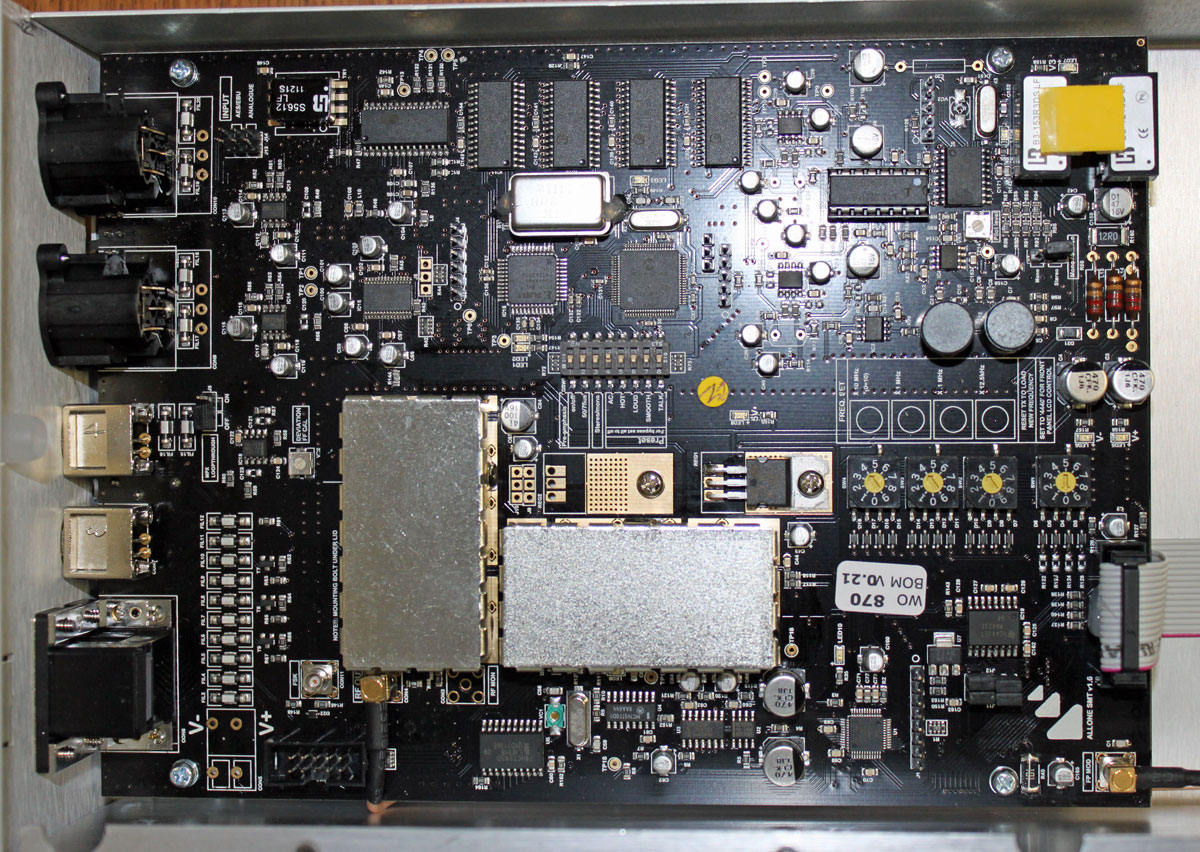
The audio input and processing board is pretty neat too.
BW Broadcast T600 audio input board
There are several different processing settings which we played around with. All in all, it seems like a pretty solid unit and I would recommend it to anyone looking for a low to moderate power transmitter.
The imminent demise of ISDN has been talked about for some time. There now appears to be a date attached which makes it semi-sort of official. As of May 18, 2013, Verizon will no longer accept orders for new ISDN lines. They will also not make any changes to existing lines and will start charging more for the service.
Taking the place of ISDN will be a variety of Ethernet/IP-based audio transmission methods. As technology evolves, this makes sense. The quality of ISDN and the bidirectional nature was a vast improvement over the old system 5/7/10/15 KHz point to point analog lines. The one downside, ISDN equipment was expensive and the service was expensive to install and operate.
High-speed internet is available in almost every business and venue. Many times, there is no cost to access it and equipment is relatively inexpensive. Depending on the equipment, CODEC, and speed, it can sound almost as good as ISDN. For those opposed to using the public network due to reliability issues, there is always frame relay.
Profile of a successful AM radio station, March 2013: WSBS, Great Barrington, Massachusetts
Great Barrington is either a large village or a medium-sized town with a population of approximately 7,100. There are many listenable FM and AM radio stations from Albany, NY, Pittsfield, Springfield, and Poughkeepsie, NY markets. There are also a few local stations; WBCR-LP, WMAQ (WAMC repeater), and W254AU (WFCR repeater). While the competition is not fierce, citizens have a variety of stations to choose from.
WSBS is a class D AM station on 860 KHz with 2,700 watts daytime power, 250 watts critical hours, and 3.9 watts night time power.
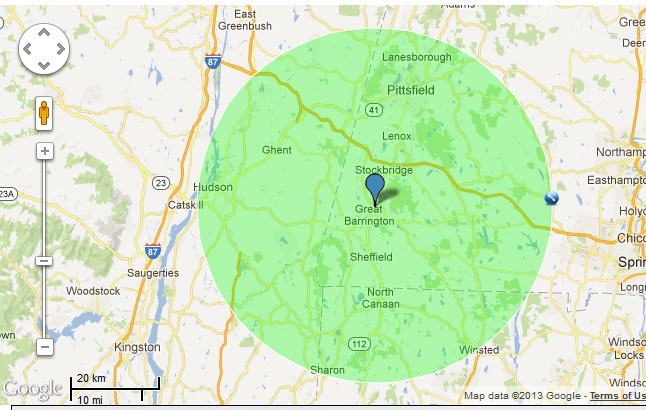
WSBS AM 860 KHz approximate daytime coverage area
This is the approximate daytime coverage area for WSBS AM. I could not find any good coverage maps online, so I made this one myself. When I am driving, I get the station reliably to Kingston, NY, however, indoor listening may be a different matter. With 3.9 watts ERP, nighttime coverage does not include much of the city of license.
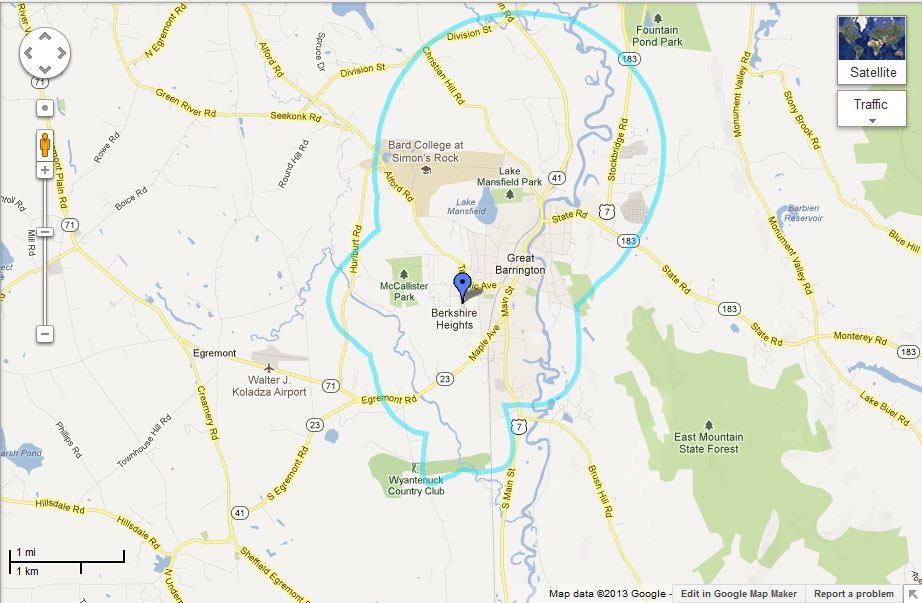
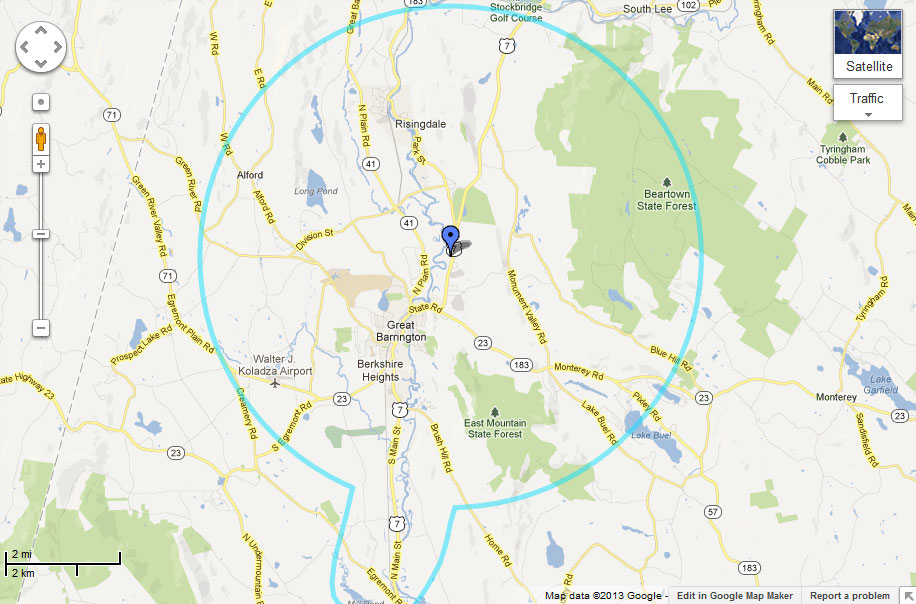
They have a translator on 94.1 MHz, W231AK. This is an example of when an FM translator on an AM station is a benefit to the community of license. W231AK has recently been moved from the top of the roof of the Fairview Hospital to the WSBS AM tower. During this move, the ERP was increased from 35 watts to 250 watts and the highly directional antenna was replaced in favor of a 2-bay half wave spaced circularly polarized Shively 6812.
W231AK old service contourW231AK new service contour
Not only did the move increase the translator’s coverage area, it also reduced operating expenses for the radio station, as they no longer have to pay rent or TELCO charges.
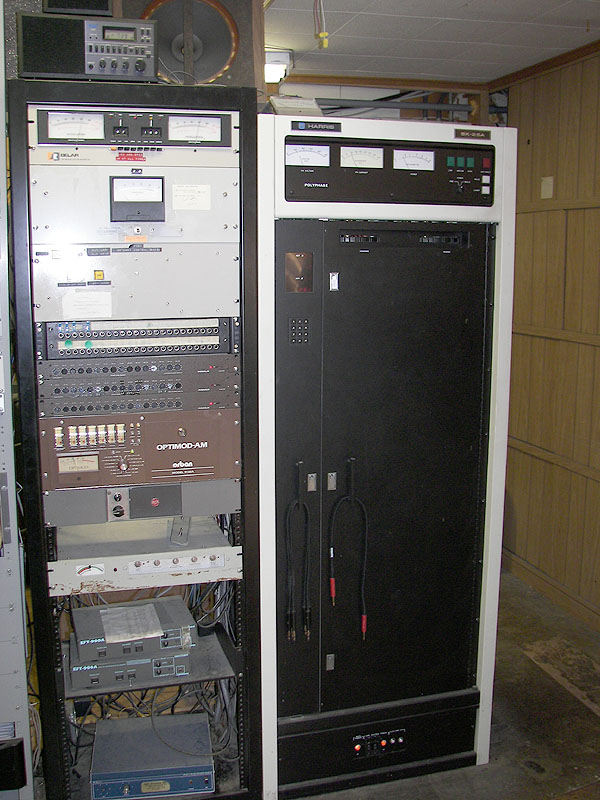
WSBS 860 KHz Harris SX2.5 transmitter, courtesy of NECRAT
The main transmitter for the AM station is a Harris SX2.5 . It transmits from a 79-degree tower, the tower and antenna field are well-maintained.
WSBS 860 KHz, Great Barrington, MA tower base and ATU
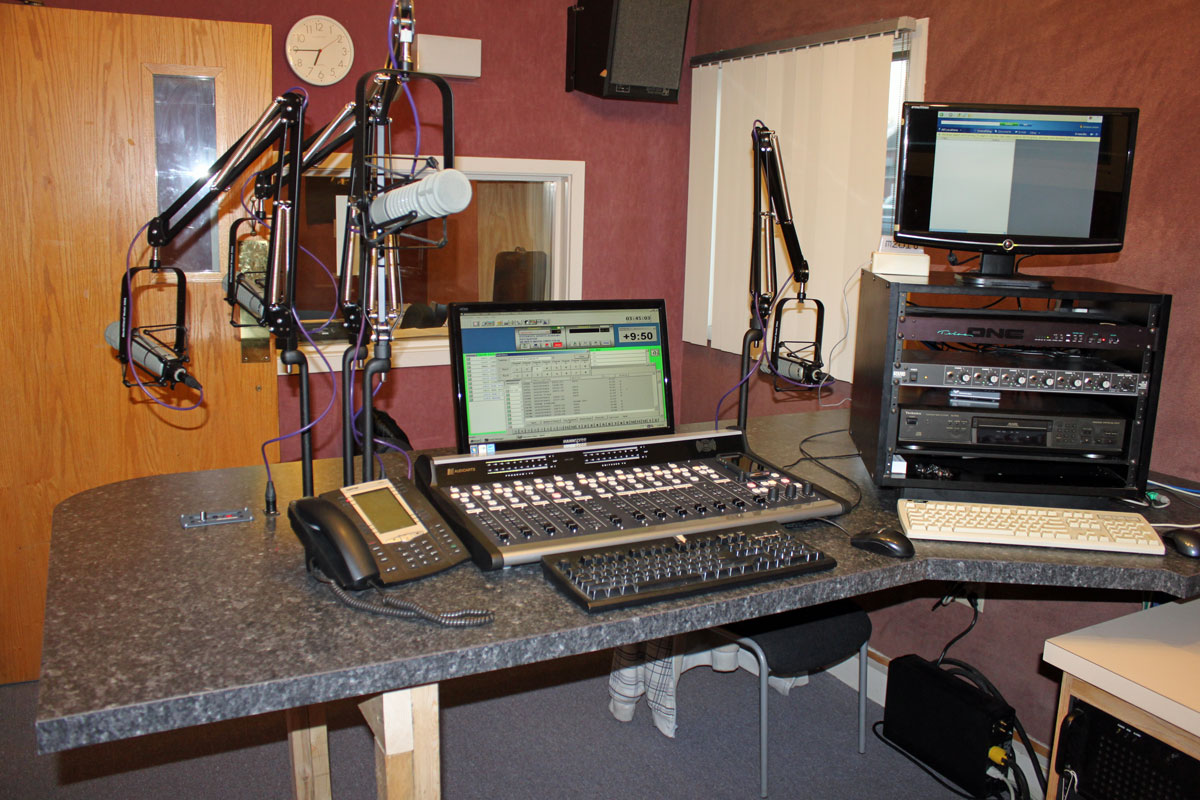
The studio has a new Audioarts Air4 console, which we just finished installing last December.
The station has an AC music format, which is quite popular. As the FM translator’s coverage has been quite limited until recently and there have been issues with the telephone company circuit taking the translator off the air, the majority of listeners are tuned to the AM signal. There is a live morning show and afternoon show, the rest of the day is voice tracked with music on hard drive. They have frequent contests and give aways. They also do local sports, community events, news and things like live election night coverage. In short, the station serves its community and, as demonstrated by a recent Chamber Business event at the station’s studio, the community appreciates its radio station.
There is nothing magic here; no gimmicks, IBOC, or another technical wizardry. This facility is at best, technically average, albeit well maintained. There is an older Orban Optimod processor, an older AM transmitter, and the original, electrically short tower. The station also has a working emergency generator. The only new tech is the web stream, which all radio stations should have.
The station is successful because of its programming, period. People love local radio. Making connections with listeners imparts a shared sense of community. Being on the air with a local presence during storms, even when the power is out, is a big deal. When it comes to relevance within the community and local businesses; in 2013 all radio stations need to earn that.
Conclusion:
I do not suffer from technophobia; when digital radio was first proposed, I welcomed the idea. It was not until I began looking at the technical proposals and iBiquity’s proprietary system that I became concerned. After hearing the initial implementation of AM HD radio on WOR in NYC, I was not impressed with either it’s audio quality or the side band interference that the analog/digital hybrid AM HD system created. What is of even greater concern is the propensity for government regulatory agencies to rubber stamp technical proposals by lobbying associations without testing or even fact checking.
Digital modulation methods at medium frequencies present a unique challenge where the ratio of the signal bandwidth to available frequency spectrum becomes too great to be practical. This is exacerbated at the lower end of the band where side band symmetry is difficult to achieve at ±15 KHz required by the all digital and the analog/digital hybrid version of AM HD radio.
Clearly, AM radio needs a technical revamping. Can it be saved? Yes. Is it worth saving? Yes. Is a yet unproven proprietary digital modulation scheme the way to do it? No.