Of popular trees and telephone poles

This picture reminded me of something that happened early on in my radio career:
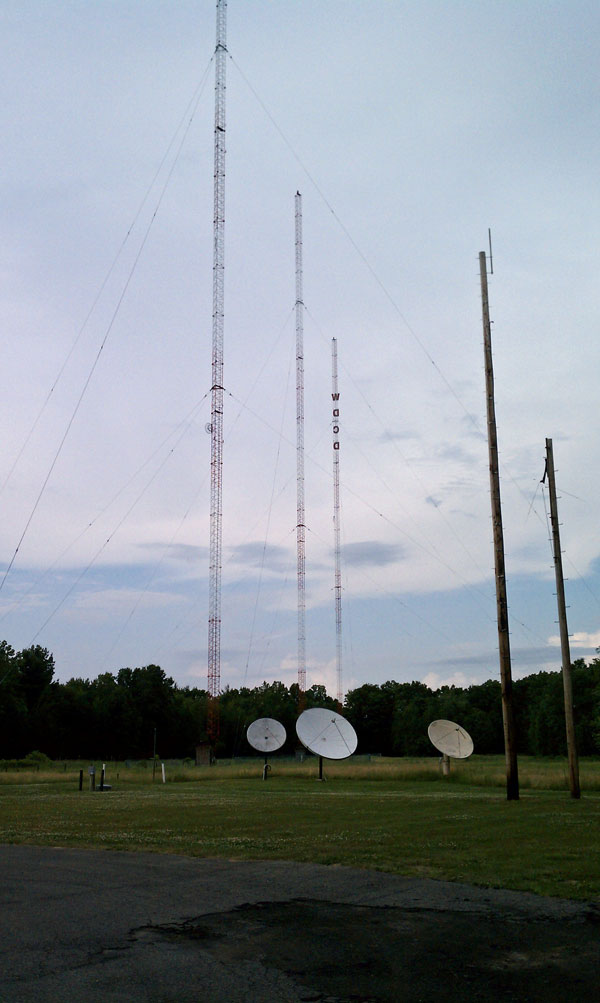
WDCD three tower array, Albany, NY
WDCD three-tower array, Albany, NY

This is another view, looking across from the roof of the transmitter building before the former studio building was removed:
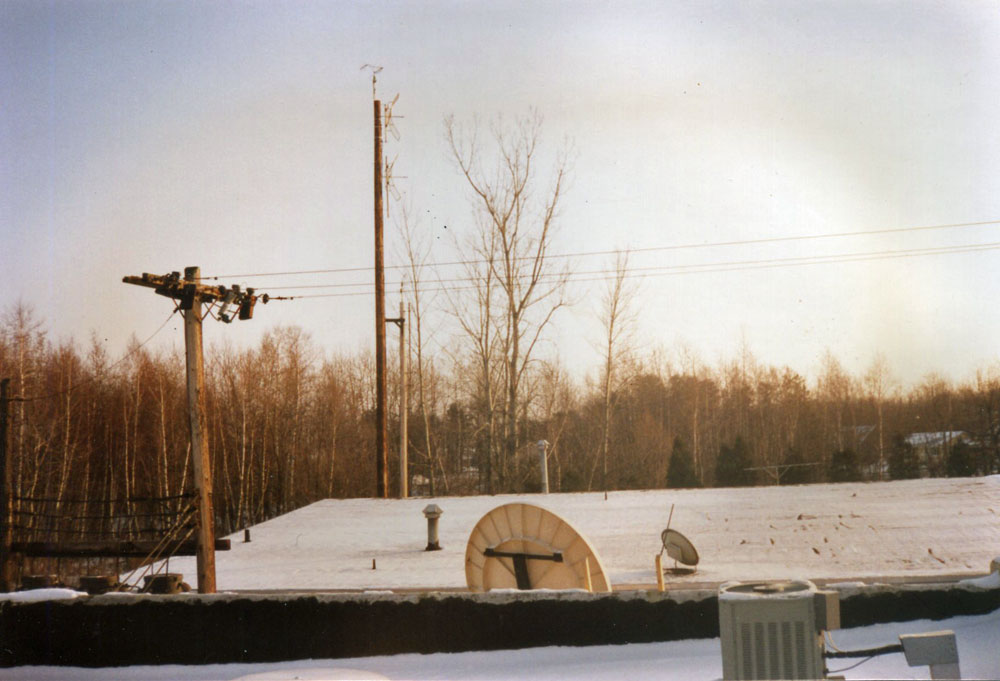
WFLY STL antenna
WFLY STL antenna, circa 1992

The story dates back to 1990 or so.  In the second picture, one can see two Scala PR-950U Paraflector antennas.  These are the STL and TSL antennas for WFLY.  They are on wooden utility poles because of the WPTR 1540 KHz antenna system is behind the poles, out of the picture to the left.   As you can see in the second picture, these poles were immediately behind the studio building, known as the “Gold Studio, ” the name itself being pure propaganda.

Also, in the second picture you can see behind the poles, a pair of poplar trees.  The reason for the second, taller pole was because across the street, out of the picture to the right, there was a stand of poplar trees which were growing up into the path of the WFLY STL system.

When this was noticed, then General Manager, John Kelly, tactfully approached the property owner and asked if the radio station could cut the “popular” trees down.  Of course, the property owner wanted much money to do this.  There were many telephone calls and discussions on how to kill the “popular” trees and other, not-so-ethical solutions to this growing problem.  Finally, it was decided that it would be simple and less expensive to install the taller utility pole.

Thus, Northeast Towers found the utility pole and came to install it.  In this area of Albany, the soil is a sandy loam, which required many hands digging and back bracing in the hole before they placed the pole in the ground.  As it is a seventy foot pole, a good 12 feet was placed in the ground and the hole was backfilled with concrete.  That is why the pole still stands today.

Naturally, all of this work is taking place on the hottest day of the year.  Also, it stands to reason, the guy in the hole doing the manual labor is the oldest, most out-of-shape person on the crew.  After lots of grunting and swearing, our man comes out of the hole looking whiter than the driven snow and sweating profusely.  He kind of staggered into the back door of the building and collapsed on the floor just inside the back door.  At this point, he was in full cardiac arrest.  The promotions director, whose office was closest to the door, called the ambulance.

Fortunately, the board operator on WPTR was an EMT with the local fire department.  After his pager went off, he ran out to his car, got his EMT bag and arrived on scene within seconds.  He was able to start CPR quickly.  In the mean time, a crowd had gathered out in the hallway.  John (the General Manager), hearing the commotion, storms out of his office and down the hallway.  He gets to the edge of the crowd and yells:

“WHAT ARE YOU PEOPLE DOING HERE?  DON’T YOU HAVE JOBS TO DO? AND WHAT IS THAT GUY DOING LAYING ON THE FLOOR?”

The good news is, the guy survived, thanks in no small part to the quick action of the board operator.

Anyway, tales of radio when it was fun.
Fire! Fire! Fire!

Class Charlie fire in the transmitter room electrical panel.  Away fire party from repair locker forward.  Set condition ZEBRA throughout the ship, this is not a drill.

Or something like that.  If you were driving around Albany, NY this afternoon and noticed WDCD-FM was off the air, this is the reason why.

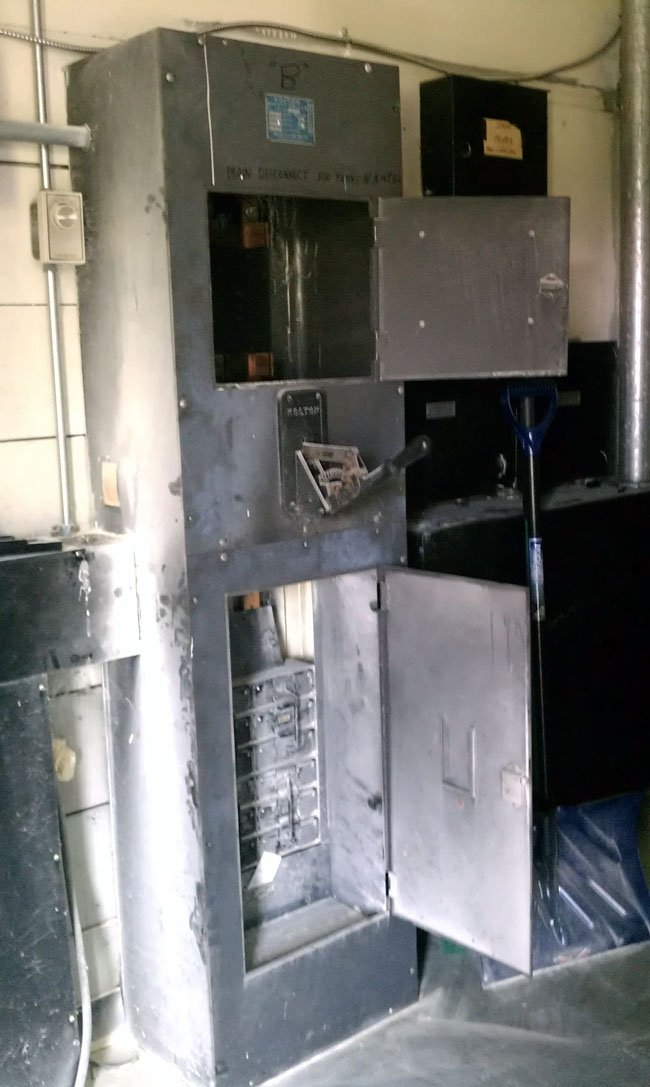
WDCD AM/FM main distribution panel
WDCD AM/FM 480 volt 3 phase AC main distribution panel

A little after noon time, the 480-volt main distribution panel at WDCD AM/FM caught fire, taking the FM station off the air.

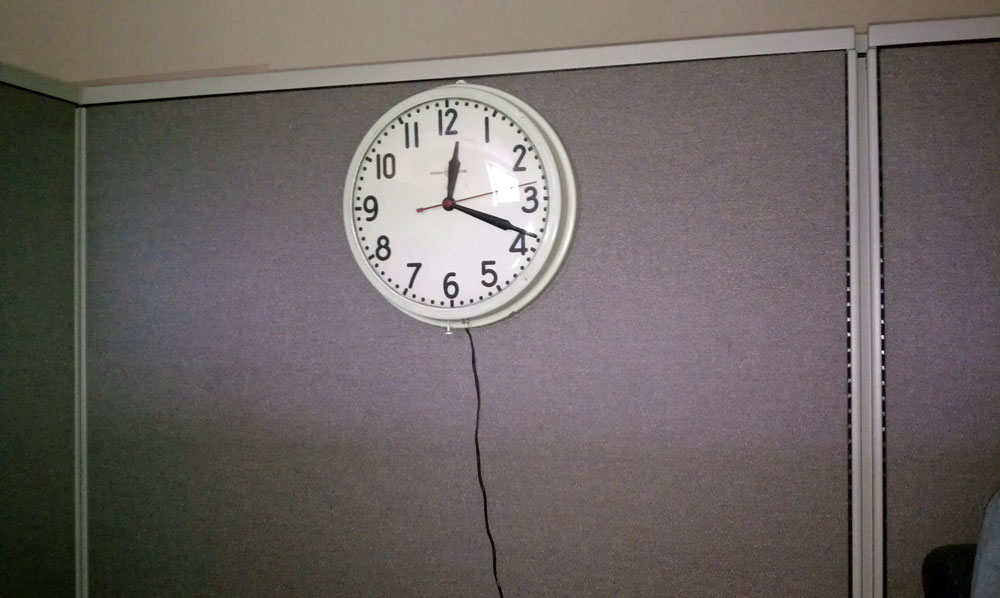
WDCD conference room clock, time of power outage noted

According to this clock, it happened at 12:19 pm, when there was a loud bang and the lights in the studio flickered several times, followed by the building fire alarm going off.  Thankfully, a quick response by the station staff and the Town of Colonie fire department limited the damage to the interior of the distribution panel.  Other than the dry chemical fire extinguisher residue all over the place, the building is none the worse for wear.

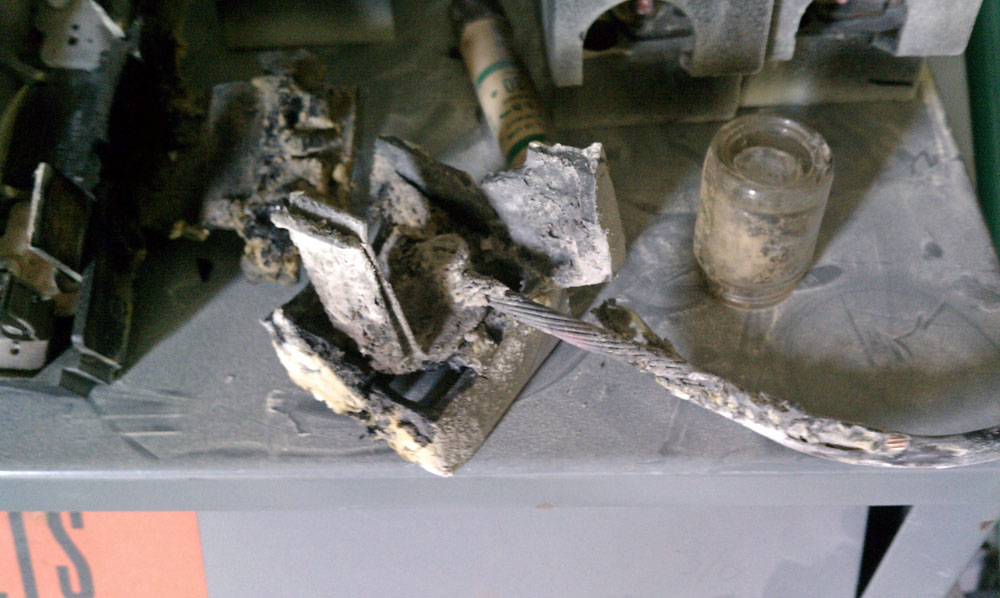
WDCD distribution panel burned parts

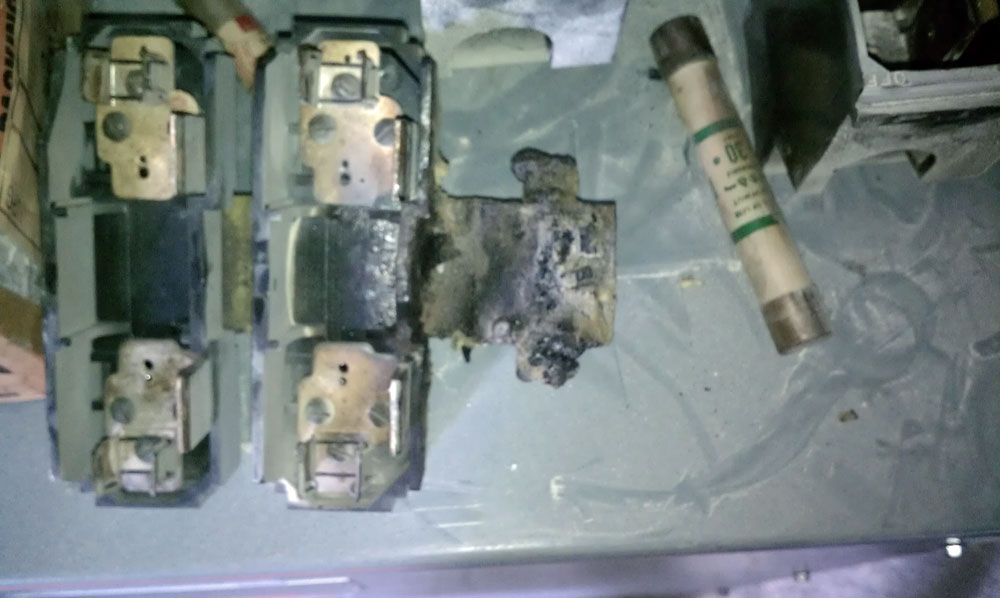
The 480 Volt three-phase electrical distribution panel was installed in 1947 when the original building was constructed.  The power company cut the power to the building and an electrician was able to re-route the distribution for the dry step-down transformers that power the studios and equipment racks.  The original 480 volt service was installed due to the 50 KW AM transmitter for WPTR (WDCD-AM).   Currently, WDCD-AM is silent, pending programming decisions by the owner, Crawford Broadcasting.

WDCD burned electrical distribution panel parts

So, we spent the late afternoon vacuuming the NextGen computers and UPS out, wiping down the equipment, and making sure to clean out the power supplies and other nooks and crannies.  Then, we powered everything back up, one at a time, and to our pleasant surprise, all came back up without error.  The total off-air time for the FM station was about 6 hours.

Water and transmitters do not mix

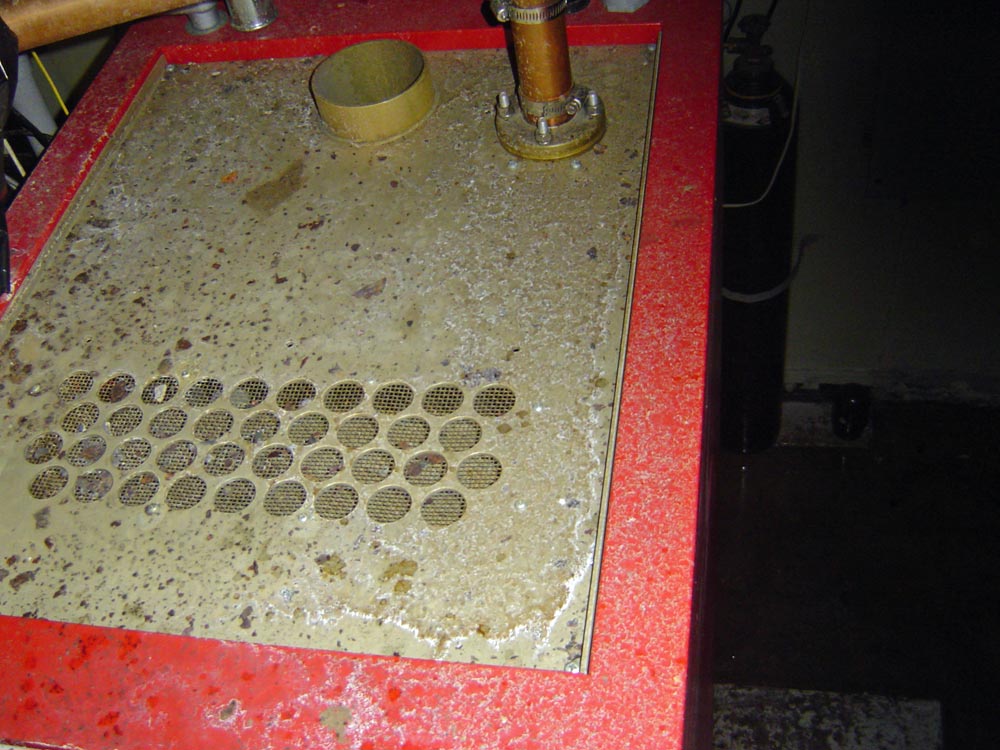
This incident happened a few years ago.  I thought I had lost the pictures of the disaster, but I found them this morning on my thumb drive. Hooray!  This occurred one morning just before Christmas after the area received a snow/ice/rain storm.  The gutters on the old ATT long lines building were clogged with ice and the water on the roof built up.  Unfortunately, the transmitter was installed directly below a disused exhaust stack for the former backup generators.

I received the off-air call from the morning show while I was driving to the office.  I diverted and went to the transmitter site and found water pouring into the top of the main transmitter.

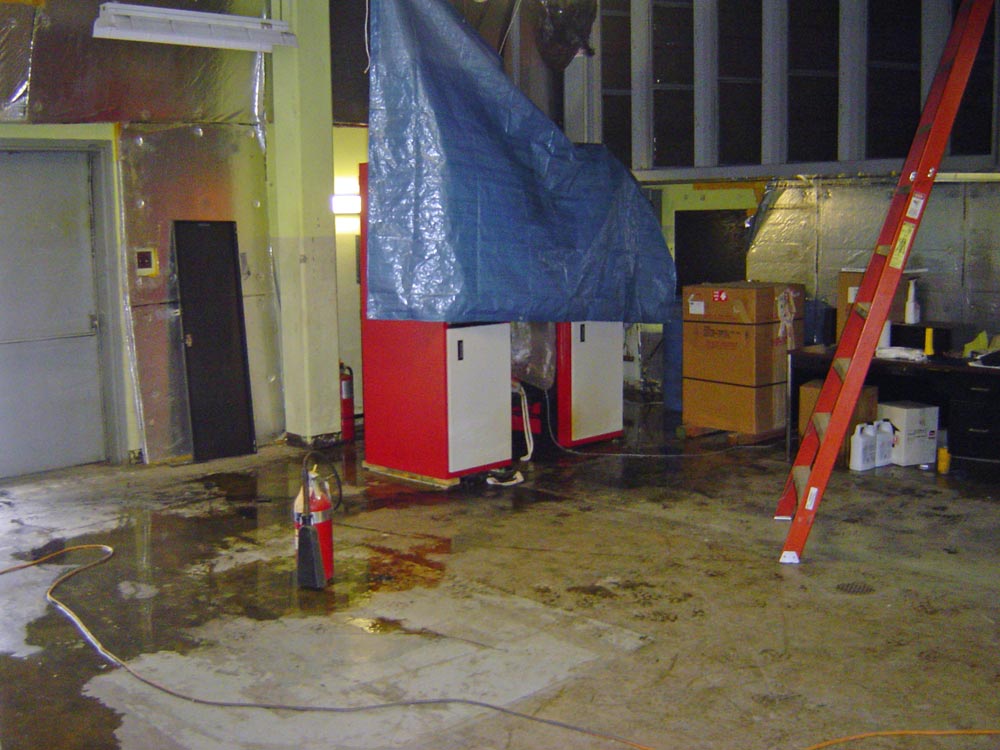
WBPM transmitter room flood

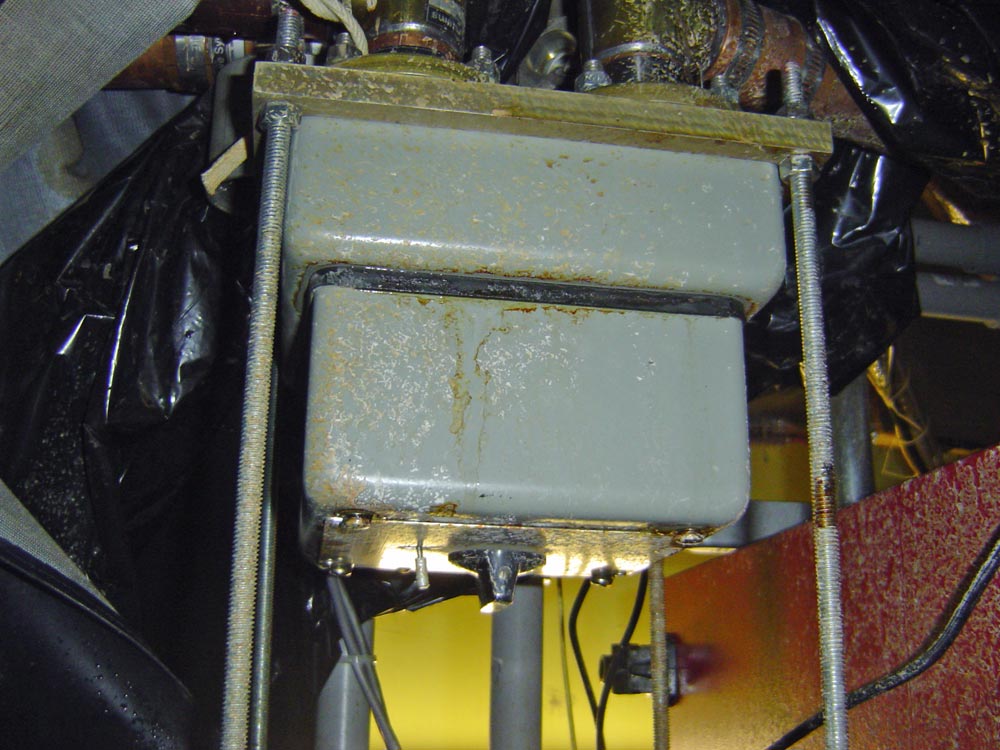
Thus, water ran down directly into the top of the QEI FMQ-3500 transmitter (transmitter was upgraded to 6 KW). Unfortunately, high voltage and dirty stack water do not mix. The combination of sooty, iron-laden water, and the B+ damaged much of the transmitter circuits beyond repair.  The main transmitter is on the right, the backup transmitter is on the left.

I inspected the backup transmitter, also a QEI FMQ-3500, and it seemed to me that no water made it into the unit.  I rigged the tarp to ensure that none did, which was a very pleasing bit of work, what with the cold, smelly, dirty diesel water dripping on my head and running down my neck and back.

Top of WBPM QEI FMQ-3500 transmitter

The 1 5/8 coax switch was also damaged:

WBPM 1 5/8 coax switch

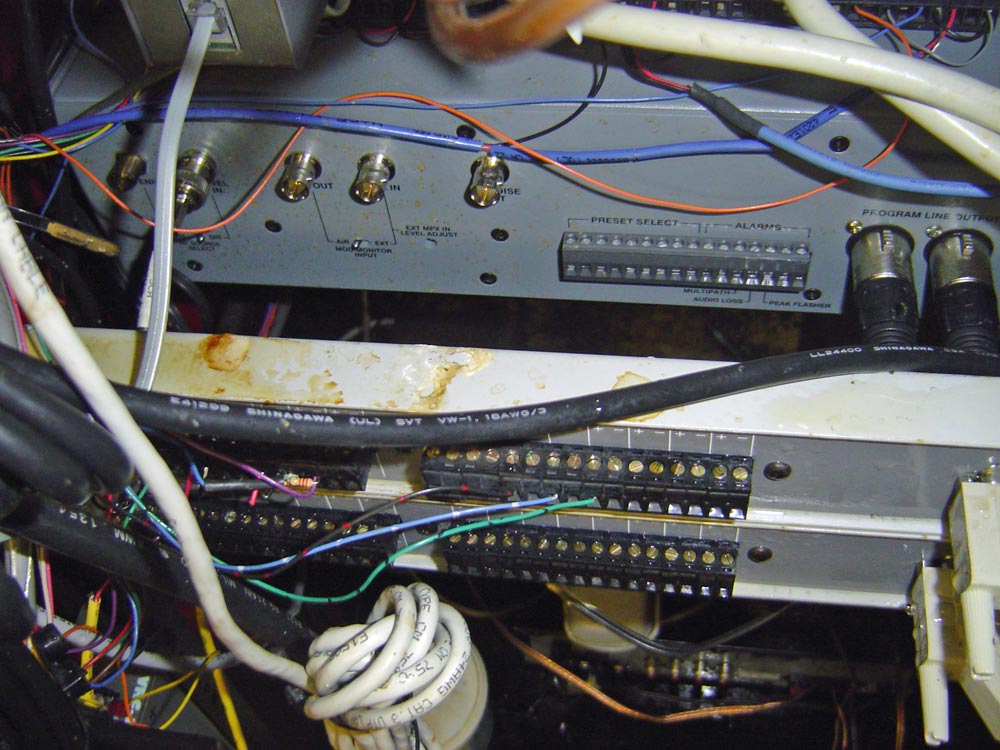
As was the remote control in the equipment rack:

WBPM Gentner remote control

Fortunately, the backup transmitter ran, although I pressed the plate-on button with a dry wooden stick while standing on a dry, non-conducting ladder.   Even so, I still felt a little trepidation holding that stick.

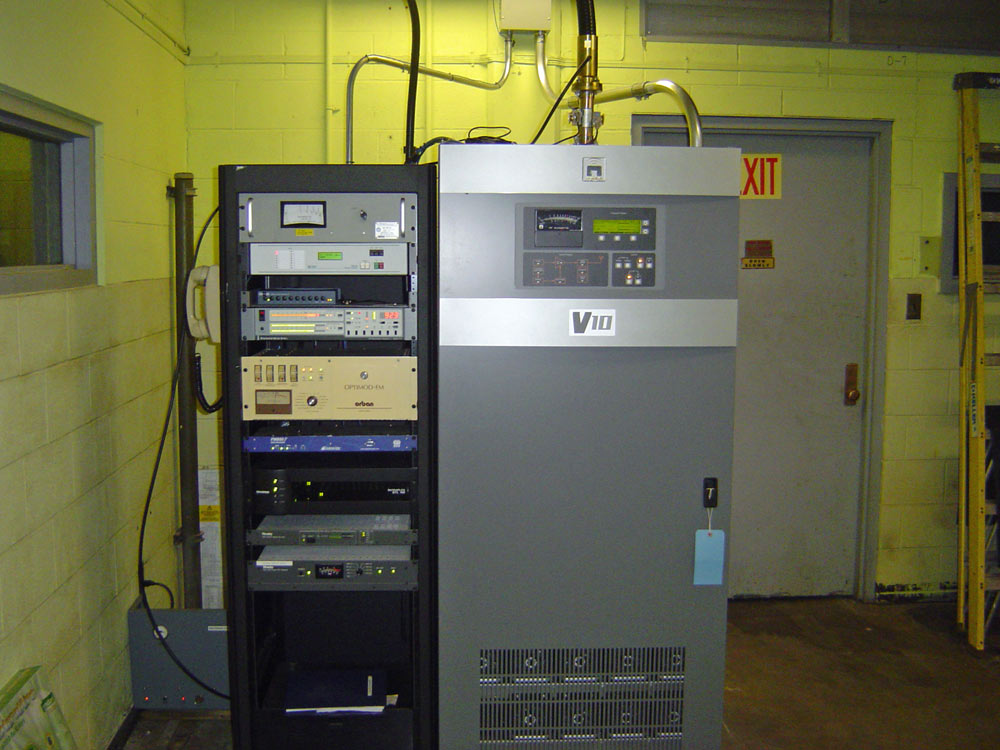
WBPM Saugerties, NY Nautel V-7.5 transmitter

It took almost a year, but finally, the insurance company for the building owner came through, and a new Nautel V-7.5 transmitter was installed.  I believe this is the last V transmitter Nautel made.  We moved the transmitter location across the room, not under the old generator stacks.  We also removed the generator stacks and patched up the roof with hydraulic cement and roofing tar.  By the way, that yellow color should look familiar to anyone who ever worked inside a Bell Telephone System building.

The PIROD PRLC-A tower lighting controller

PIROD tower company has been around for a while, thus there are likely many of these tower light controllers out in the field.  They perform a vital service in controlling and monitoring tower lights at remote transmitter sites maintaining a safe operating environment for aircraft and compliance with FCC rules.

PIROD was sold to Valmont in 2004, Valmont no longer manufactures or supports the product.  All is not lost, however, as XCEL Tower Controls does support it and parts are still available through them.

These units were fairly rugged, had good surge suppression on the incoming AC lines and are designed for easy access to service parts.

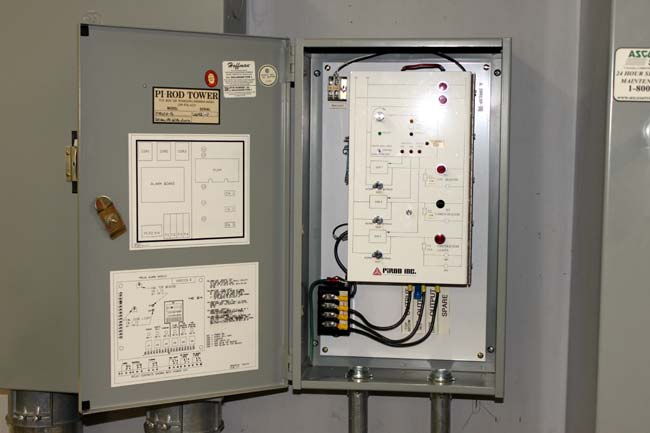
PIROD PRLCA tower light controller, WRKI Brookfield, CT

This particular controller is being installed at WRKI in Brookfield, CT.  We are adding toroid cores to the tower lighting circuits coming off of the tower because the last controller has been mostly destroyed by lightning.  It is a tall tower, on top of a tall hill, thus it gets struck by lightning many times over the course of a year.

WRKI tower, Brookfield, CT

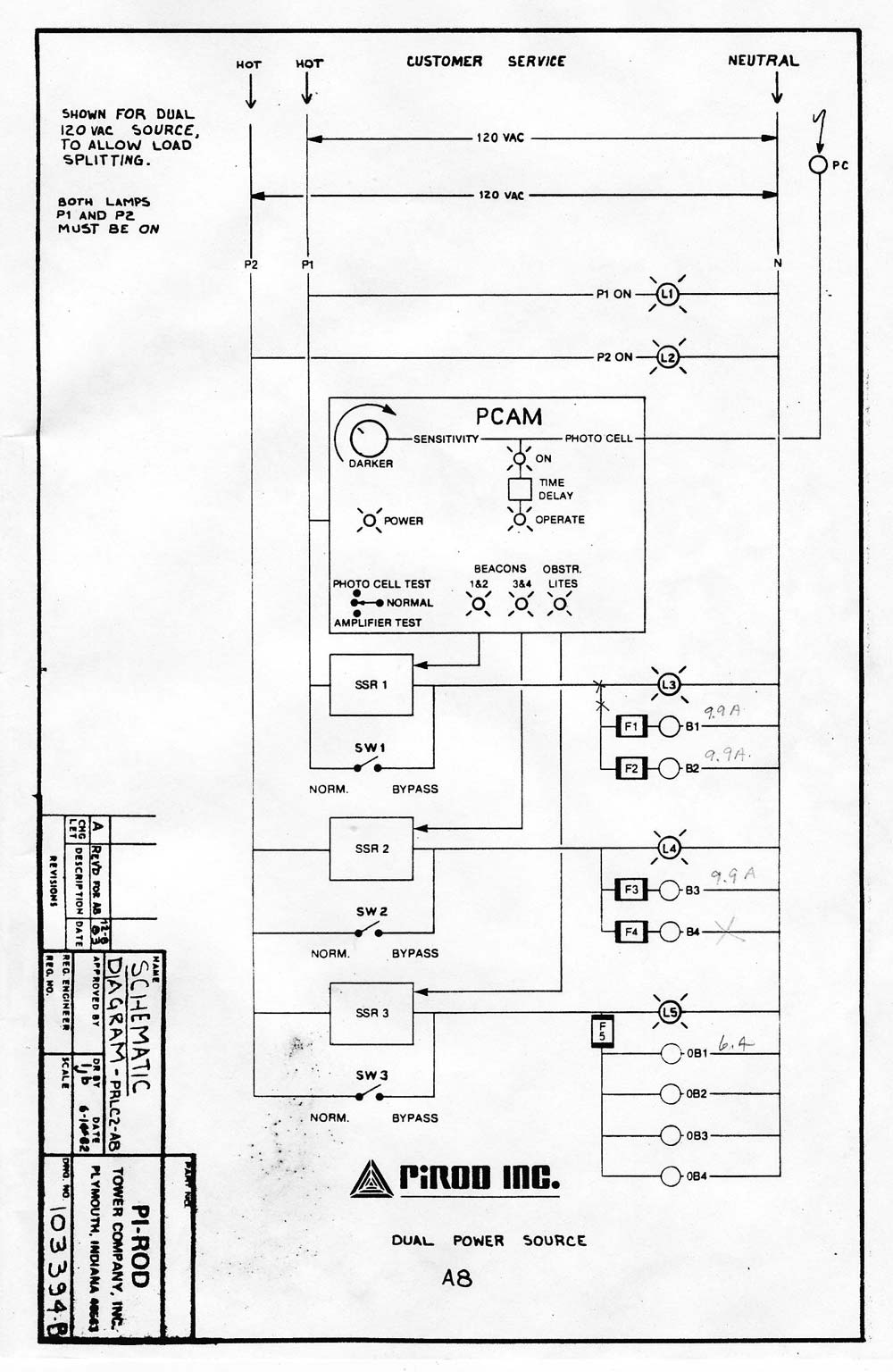
The block diagram looks like this:

PIROD PRLCA block diagram

Click for higher resolution.

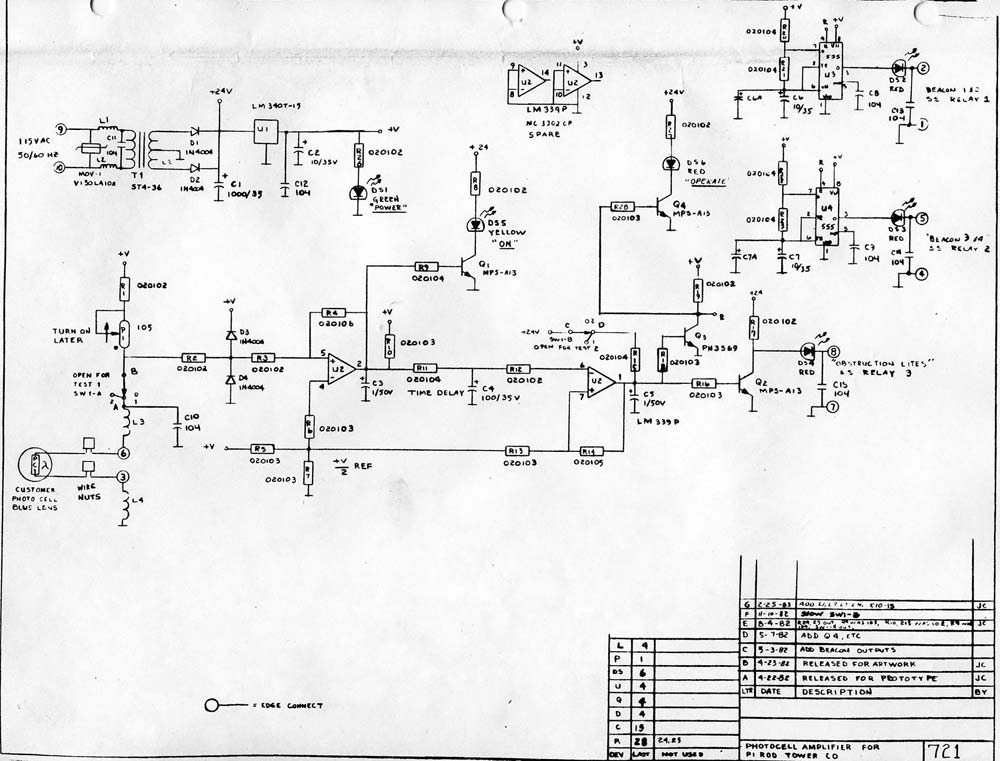
The basic schematic looks like this:

PRCLA tower light controller schematic

Click for higher resolution.

The entire manual can be found here, (medium sized .pdf) courtesy of John Brickley of EXEL tower controllers.