AM HD update and other ideas

Looks like the AM HD Radio™ juggernaut continues… To sink under its own technical faults that is. According to the list the number of AM stations running IBOC in the US is now down to 233 stations from a high water mark of 290 or so.  That represents a total of just 4.8% (233 IBOC/4782 Total stations) of all US AM radio stations.  On a related note, Bob Savage of WYSL 1040, Rochester, NY has a good idea:

I’ve always said – if you want to see surprising new life in the AM band, s**t-can the stupid irrelevant NRSC pre-emphasis filter and allow stations to run to 15 kHz during daylight hours and 10 kHz nighttime.  Mandate C-QUAM in all receiver and receiver devices.

It will sound better than HD, be more robust, and cause far fewer problems.  Plus it wouldn’t obsolete a single radio out there, while making a whole bunch of them sound a whole bunch better.

It is so simple in concept, so easy to implement, with almost no expense to AM stations.  Again, Mr. Savage:

Most software-based processors have com ports which can be addressed by a remote control system like Sine Systems, so when the power gets reduced at evening pattern change, the bandpass can be changed at the same time…..vice-versa at sunup.  No biggie.

For older setups a simple outboard relay and rolloff network could accomplish the same thing.  It’s a little more complex but again, not a big deal.

Wow.  Facepalm.

Wish somebody had thought of that a few years ago, it might have saved several million dollars and we’d have a different AM band today.

There are a few shoehorned AM stations around here that might be adversely affected by 15 KHz daytime bandwidth, but those are few and far between.  By and large, most stations are spaced correctly where this could really work and work well.  It certainly would not generate the chaos that AM HD Radio™ has.
The LED work light

As is often the case when doing studio wiring, some type of work light is needed, especially when working inside studio furniture.  Having a good work light makes it easier to see wire colors and usually means fewer mistakes, thus the installation work goes faster.  I remember being questioned by the CFO of the last company I worked for when making purchases like this in the past:

CFO “Fifty-nine dollars for a work light?  Did we really need that?”

Myself: “Yes.”

CFO:

Myself:

CFO: “Uh, care to expound on that at all?”

Myself: “No.”

The studio I was working in yesterday didn’t even have its overhead lights installed yet, so work lights were a must.

Normally, some type of halogen or incandescent light is used.  The downside to these types of work lights is excess heat, especially inside studio furniture cabinets.  I have often felt like the side of my face was getting sunburned when working in close quarters with one of these units.

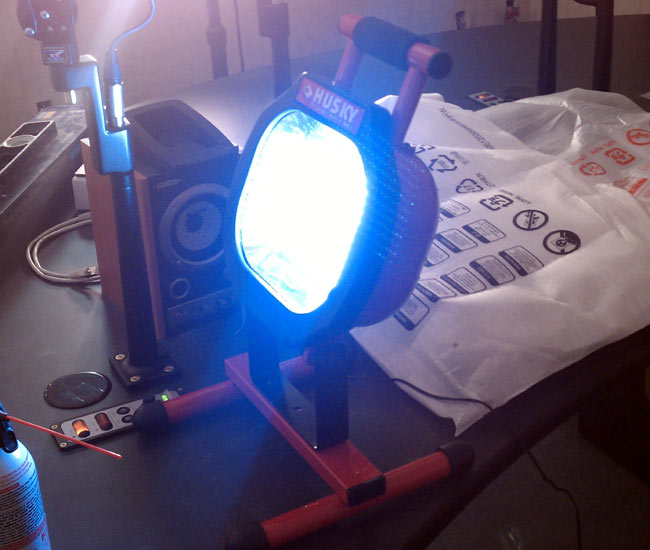
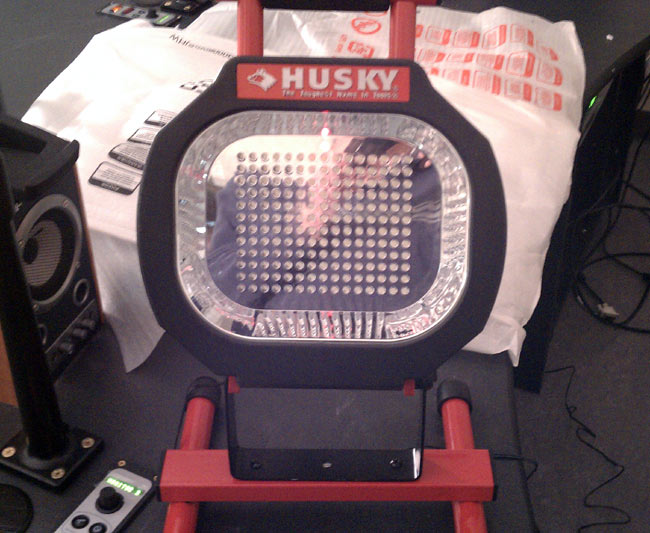
Fortunately, we bought this light:

LED work light
LED work light
LED work light
LED work light

Say or think what you will about global warming, environmentalists and so on.  The high-efficiency LED light works very well and kept me from boiling when punching down wires.  As with most LED lights, it has a high blue content, which most people find a little harsh.  I like this light temperature for detail wiring work.  It has an internal battery plus a plug-in wall wart for recharging and using as a wired light.

Not that I have any loyalty to that particular brand, but the light worked very well.  I am not sure how durable it is, it seems a little light duty.  That being said, I’d recommend it.

Milwaukee’s oldest radio station

WISN 1130 AM has been on the air since 1922, although not always with those call letters.  In an interesting twist, the license was granted to the local newspaper, the Wisconsin News, and the Milwaukee School of Engineering.  Initially, both entities were programming the station, however, by about 1925, the newspaper was responsible for programming and the engineering school was responsible for technical operations.

In 1941, the station increased power from 1,000 watts to 5,000 watts and added nighttime service.  This is a series of pictures from that time period.

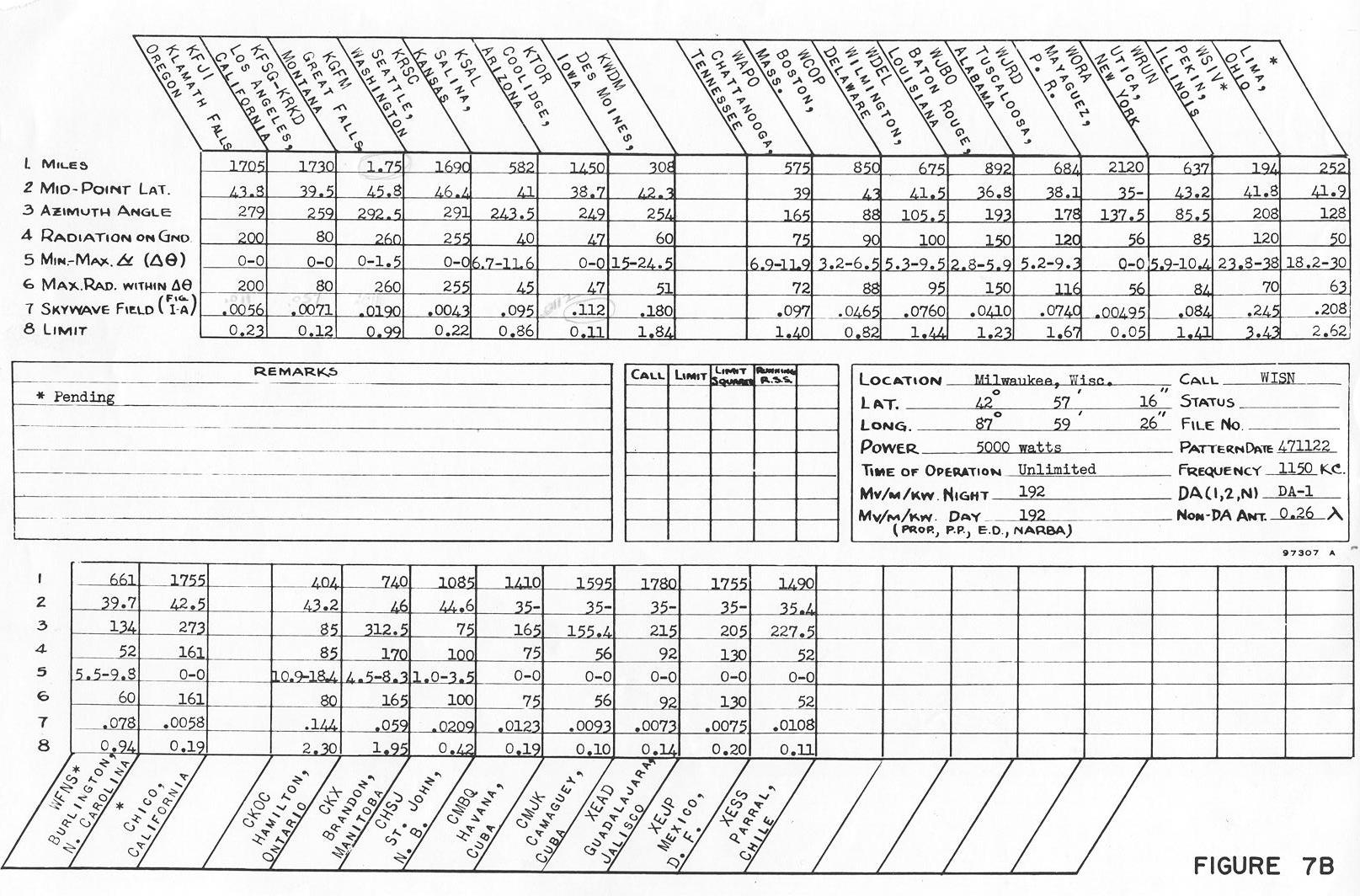
WISN night time allocation study

Back in 1941, nighttime interference was taken seriously.  The nighttime allocation study (on 1150 KHz, WISN’s former frequency) includes co-channel stations in the US, Canada, Cuba, and Mexico.

WISN night time allocation ma

The array consisted of four Blaw-Knox self-supporting towers in a rectangle.  Notice the lack of fencing, warning signs, and the like around the towers.

WISN antenna array
WISN antenna array

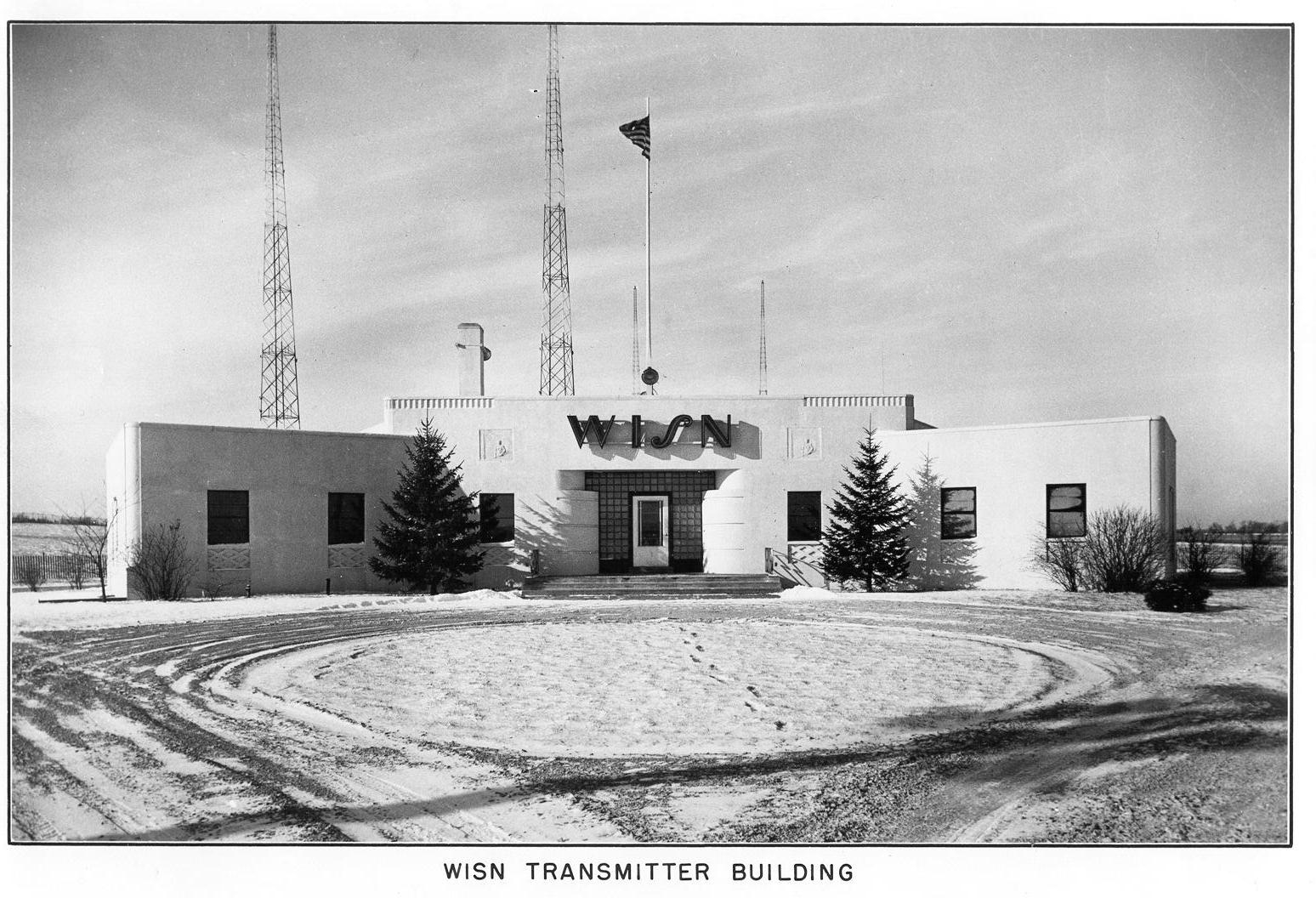
From the front of the transmitter building

WISN transmitter site, 1941

The site looks well designed, no doubt manned during operation, which at the time would likely be 6 am to midnight except under special circumstances.   Most of these old transmitter sites had full kitchens, bathrooms, and occasionally a bunk room.  The transmitter operators where required to have 1st telephone licenses from the FCC.   There is only one manned transmitter site in the US that I know about; Mount Mansfield, VT.  There, WCAX, WPTZ, WETK, and VPR have their transmitters.

WISN RCA BT-5E transmitter, 1941

The WISN RCA BT5E transmitter looks huge for that power level.  Back in the day when AM was king, these units were designed to stay on the air, no matter what.  I don’t know too much about this model transmitter, but if it is like other RCA/GE models from the same era, it has redundant everything.

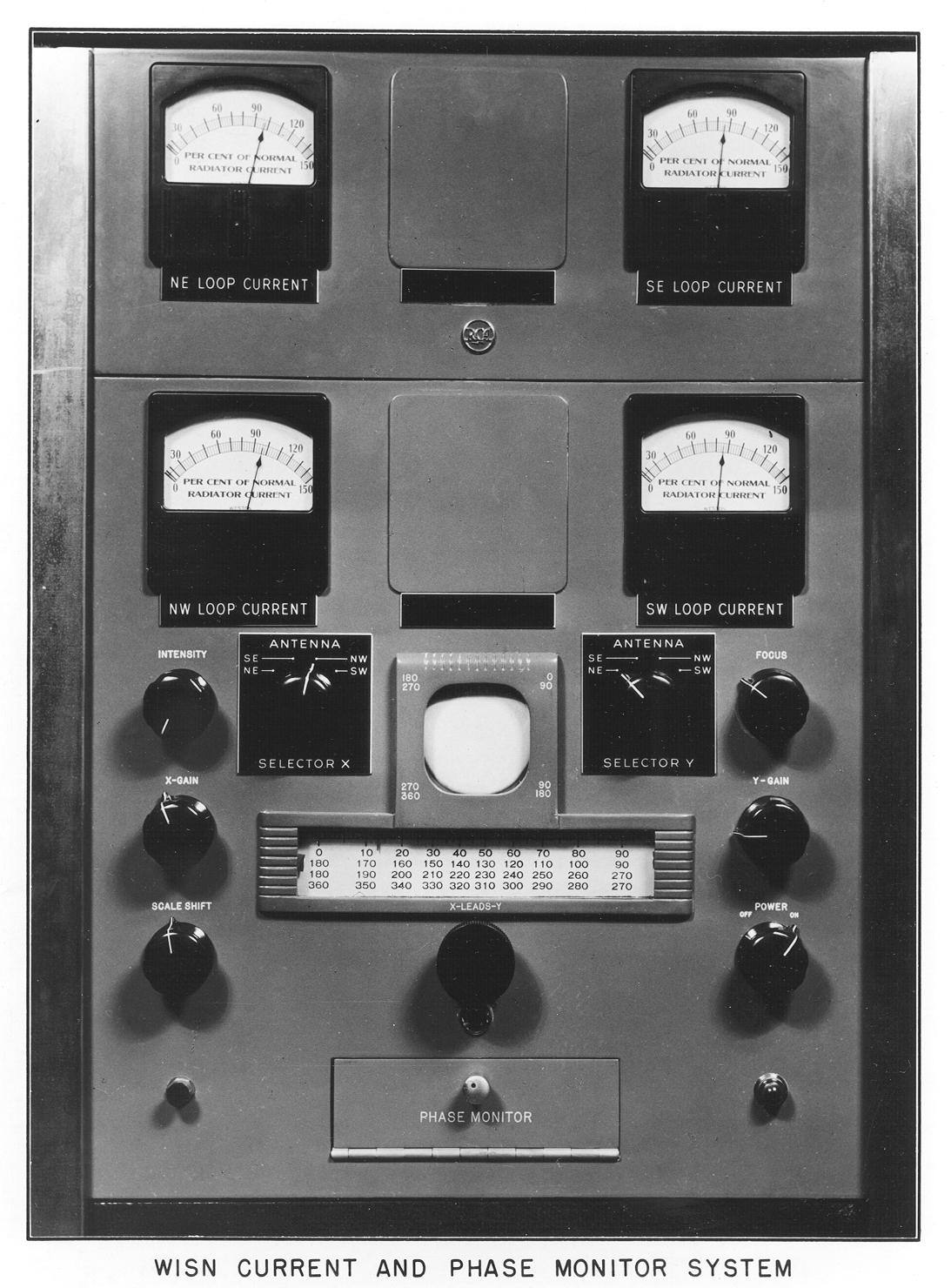
RCA AM antenna monitor

Old school antenna monitor.  I have never seen one of these in operation, however, as I understand it, the scope was used to compare the phase relationship of each tower against the reference tower.

These pictures are of the WISN 1150 array was it was in 1941.  Since then, the station has changed frequencies to 1130 KHz and increased power to 50,000 watts daytime/10,000 watts night time.  The daytime array consists of six towers and the night time array has nine towers, all of which are 90 degrees.

Special thanks to John A. for sending these pictures along.

Solar flare may disrupt radio systems

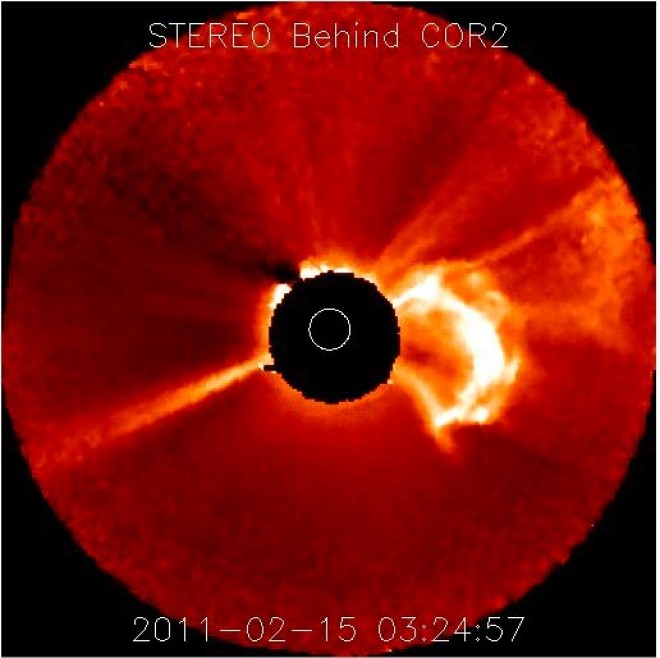
Update: What?  Nothing Happened!  Something I think any radio engineer can appreciate, the incoming magnetic field from the flare was not polarized for maximum effect.  According to NOAA Space Weather Prediction Center, the incoming particles were parallel to the earth’s magnetic field, and thus blocked.  In order for storms to have major effects, they need to be cross-polarized with the earth’s magnetic field.  Learn something new every day.

On February 15 at 01:50 UTC, a massive flare erupted from the sun.  Classified as an X2.2 storm, it is the largest since December 2006.  The 2006 storm disrupted GPS, and some satellite signals and caused 950 mHz STLs to burp occasionally.  With all of the cellphone systems synced to GPS, not to mention things like HD Radio exciters, it could be an interesting day.  Or not.  Already, some reports are trickling in from southern China of communications disruptions.

Feb 15 0150 UTC solar flare

According to NOAA Space Weather, there is a 45% chance of geomagnetic activity starting on Thursday, February 17th.  It is noted that Geomagnetic storms reaching the G1 level and radio blackouts reaching the R1 level are to be expected.  Mid to high-level latitudes may see extensive aurora borealis, which will be visible in spite of the full moon.