Water and transmitters do not mix

This incident happened a few years ago.  I thought I had lost the pictures of the disaster, but I found them this morning on my thumb drive. Hooray!  This occurred one morning just before Christmas after the area received a snow/ice/rain storm.  The gutters on the old ATT long lines building were clogged with ice and the water on the roof built up.  Unfortunately, the transmitter was installed directly below a disused exhaust stack for the former backup generators.

I received the off-air call from the morning show while I was driving to the office.  I diverted and went to the transmitter site and found water pouring into the top of the main transmitter.

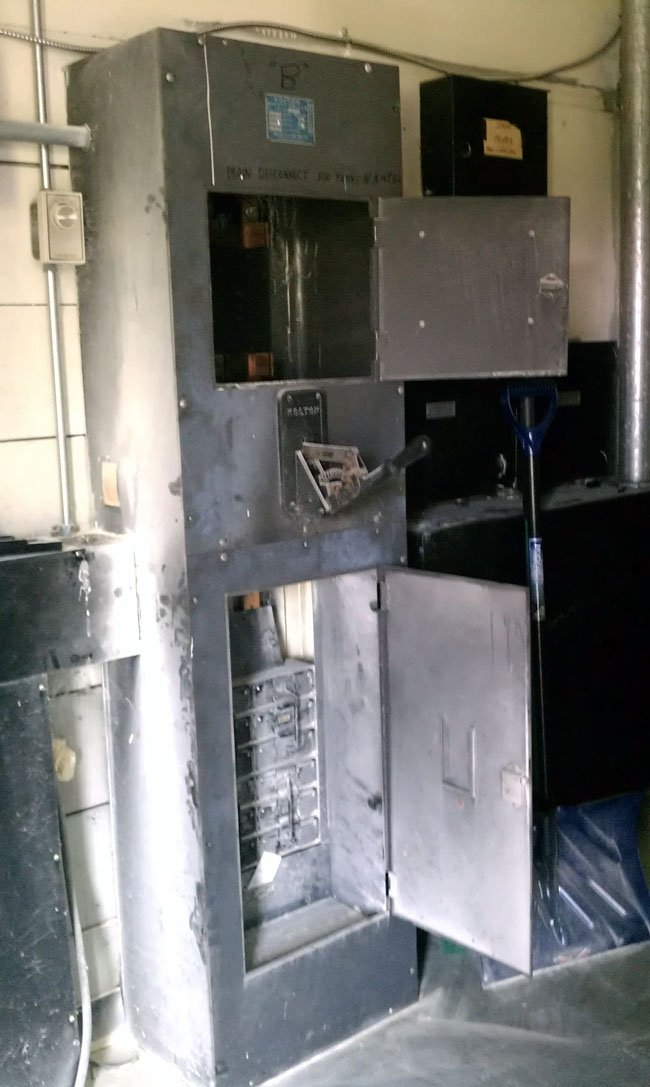
WBPM transmitter room flood

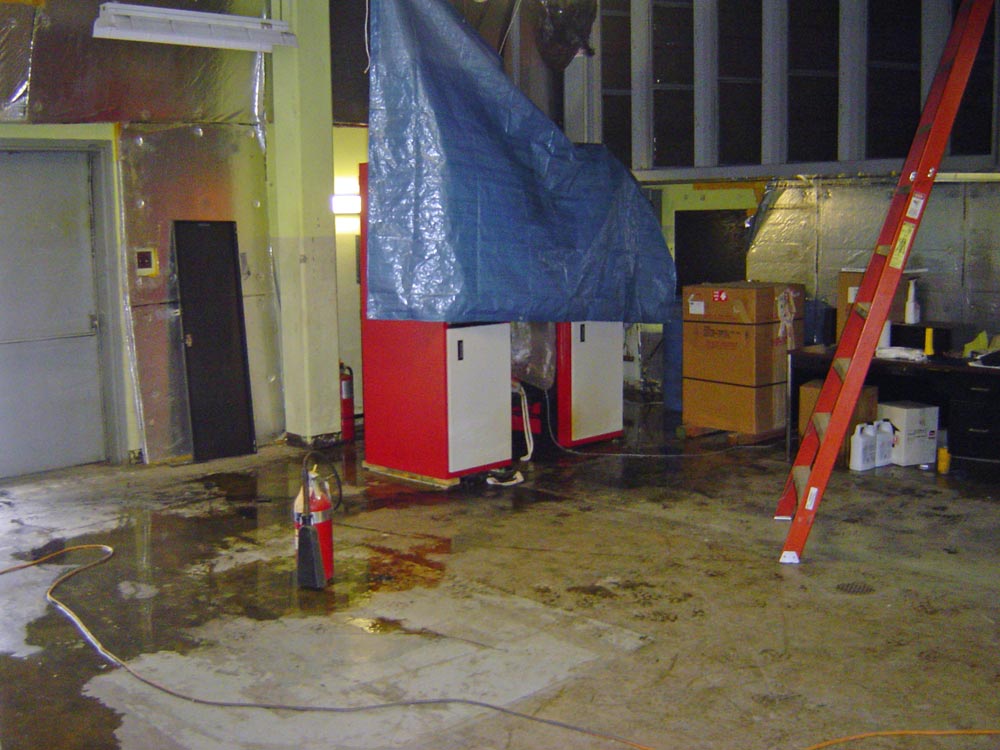
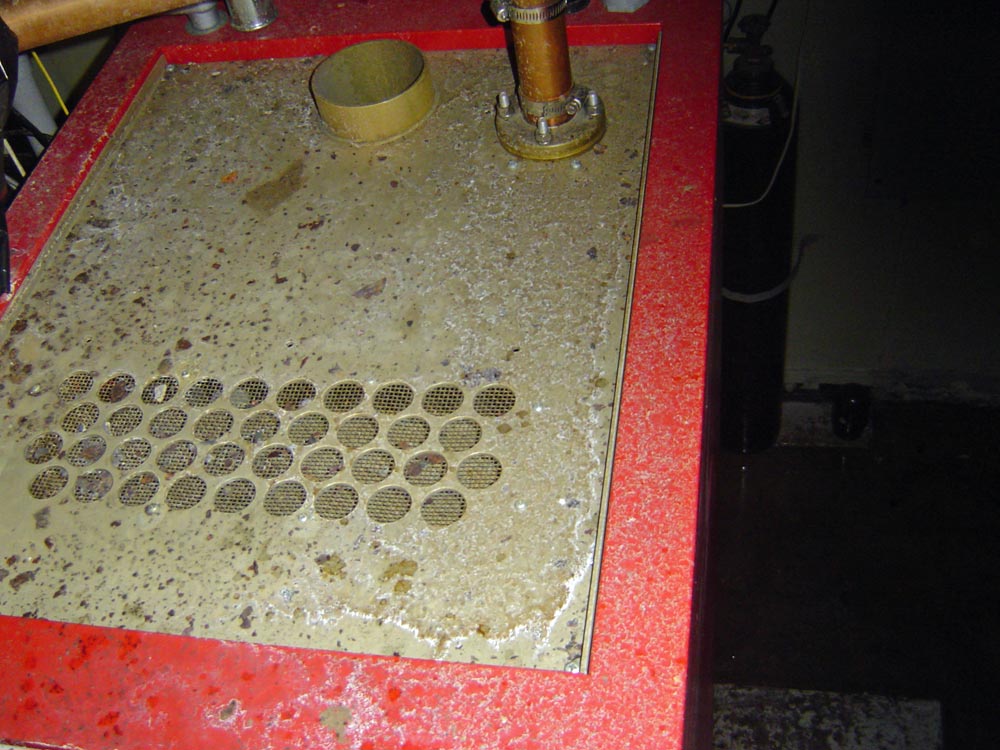
Thus, water ran down directly into the top of the QEI FMQ-3500 transmitter (transmitter was upgraded to 6 KW). Unfortunately, high voltage and dirty stack water do not mix. The combination of sooty, iron-laden water, and the B+ damaged much of the transmitter circuits beyond repair.  The main transmitter is on the right, the backup transmitter is on the left.

I inspected the backup transmitter, also a QEI FMQ-3500, and it seemed to me that no water made it into the unit.  I rigged the tarp to ensure that none did, which was a very pleasing bit of work, what with the cold, smelly, dirty diesel water dripping on my head and running down my neck and back.

Top of WBPM QEI FMQ-3500 transmitter

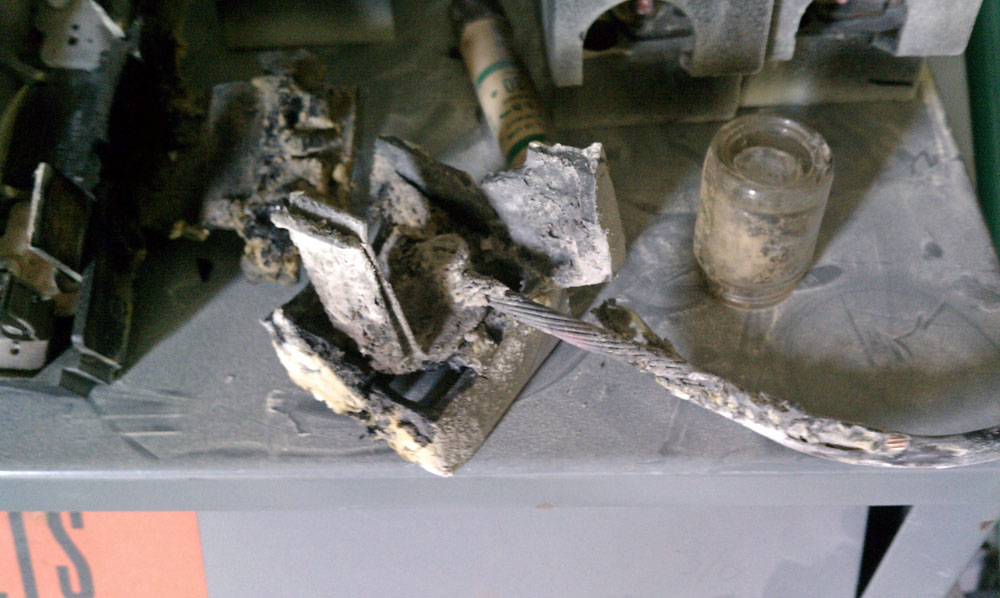
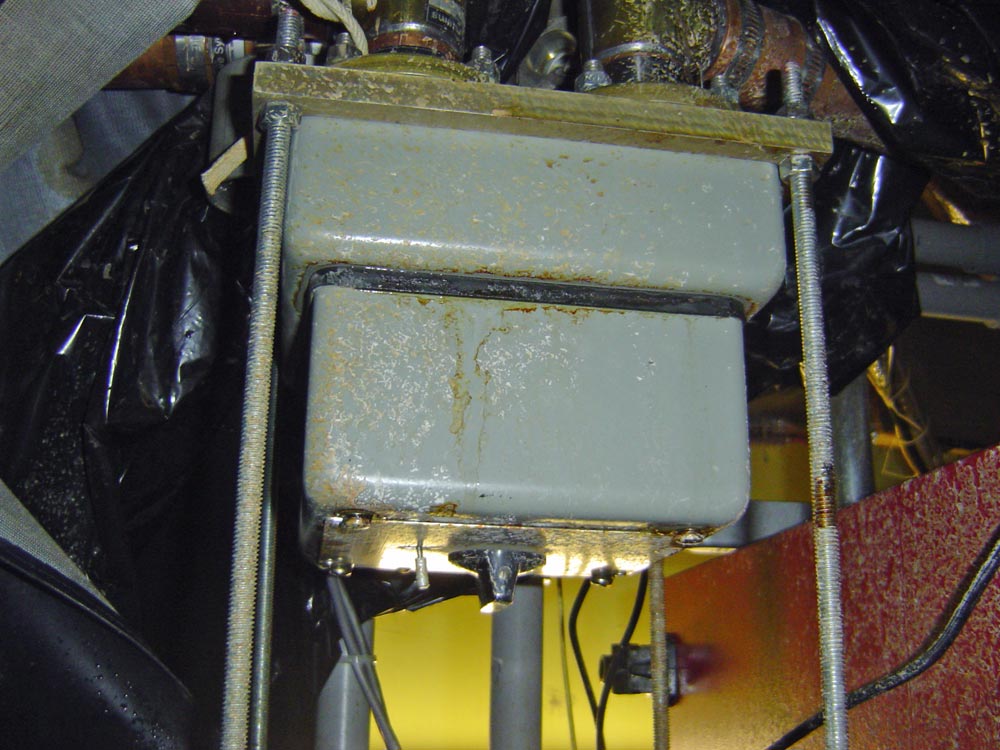
The 1 5/8 coax switch was also damaged:

WBPM 1 5/8 coax switch

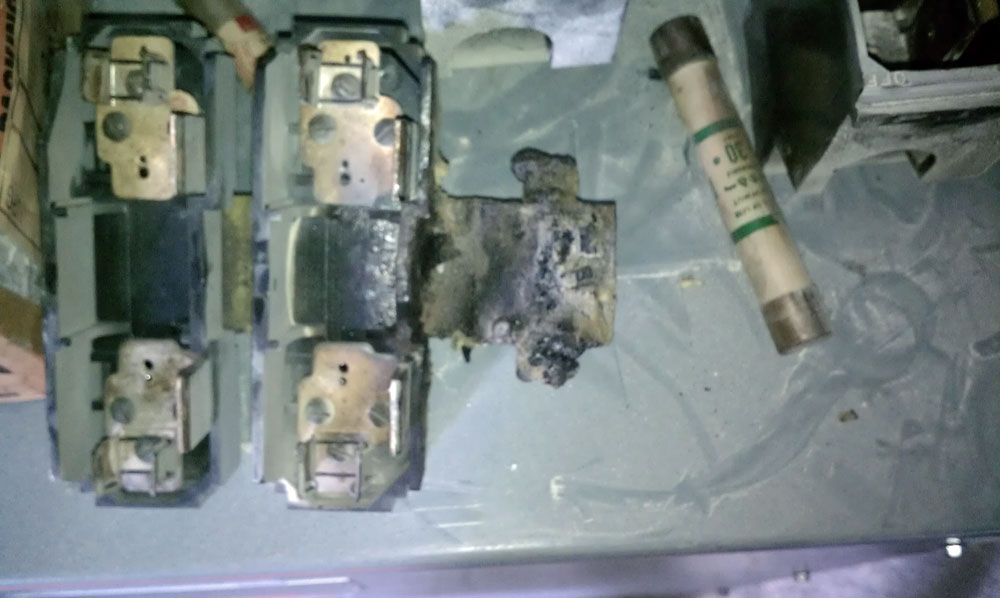
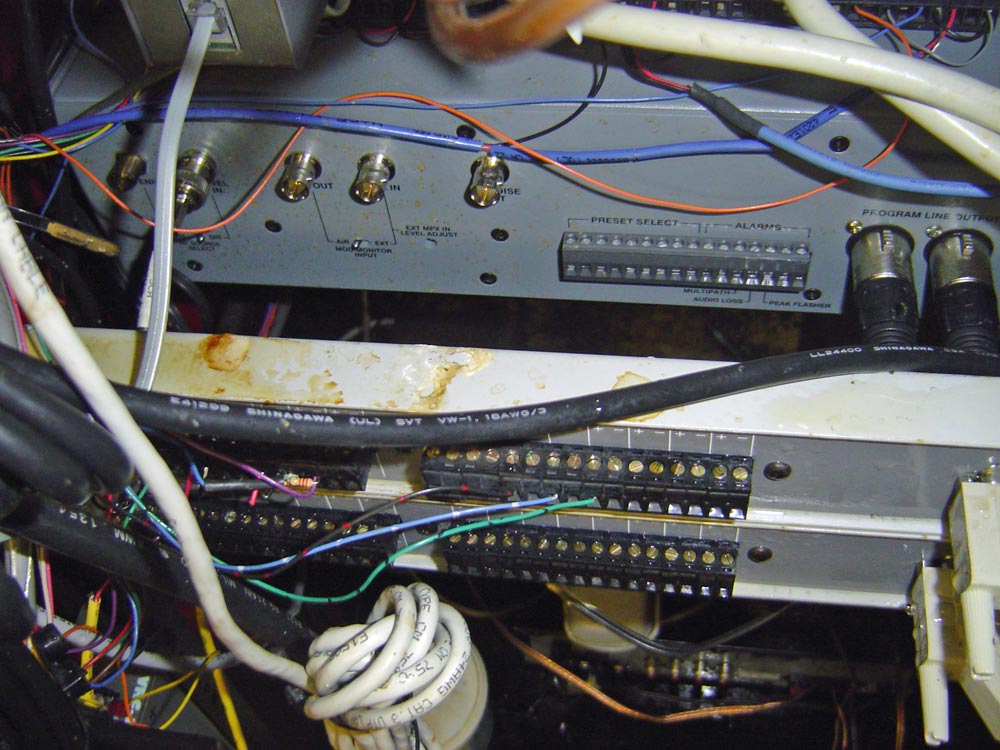
As was the remote control in the equipment rack:

WBPM Gentner remote control

Fortunately, the backup transmitter ran, although I pressed the plate-on button with a dry wooden stick while standing on a dry, non-conducting ladder.   Even so, I still felt a little trepidation holding that stick.

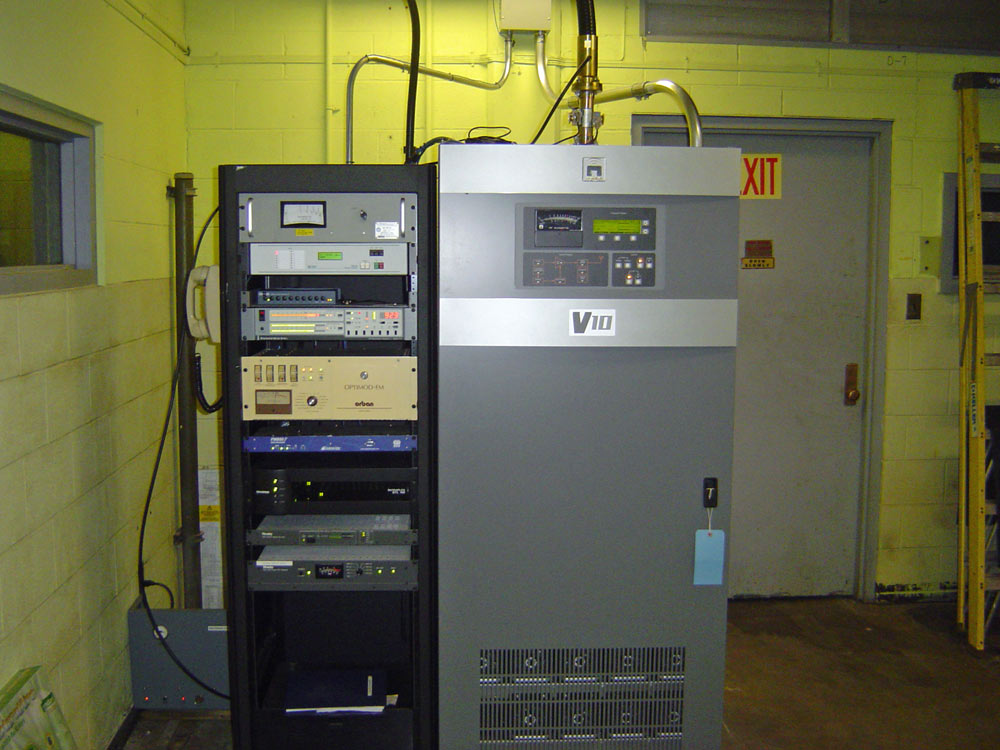
WBPM Saugerties, NY Nautel V-7.5 transmitter

It took almost a year, but finally, the insurance company for the building owner came through, and a new Nautel V-7.5 transmitter was installed.  I believe this is the last V transmitter Nautel made.  We moved the transmitter location across the room, not under the old generator stacks.  We also removed the generator stacks and patched up the roof with hydraulic cement and roofing tar.  By the way, that yellow color should look familiar to anyone who ever worked inside a Bell Telephone System building.

North East Commercial Radio Antennas and Towers

NECRAT logo
NECRAT logo

Or NECRAT for those who have been around the internet for a while. Many, if not most of you will know Mike Fitzpatrick’s NECRAT website which features many pictures of radio transmitter sites around the country (not just the Northeast).

Even before I began blogging, I checked NECRAT often for interesting pictures of many different transmitter sites.

If you are one of the few who has not visited his site, go and check it out: http://www.necrat.us

Look at my wonderful tubes!

I found this promotional picture in an old NAB conference technical papers book dating to 1969:

RCA TT-30FL promotional picture

So here we see an obviously qualified and appropriately dressed technician gesturing to all the components she is about to install in the transmitter behind her. I wish I worked there.  No, wait, I wish I had that transmitter and perhaps this fetching young woman would come and work at my station.  Well, hell, I don’t need a TV transmitter, just the woman.

Sigh.

I wonder how many of these rigs RCA sold before the broadcast division went out of business.

By way of reference, the RCA TT-30FL is a VHF television transmitter, 30 KW peak visual power, 7.5 KW peak audio power, air-cooled.

Tower light malfunction

We were notified that the WFAS-AM tower lights were out, thus, it was time to investigate. This problem was easy to find. Upon removing the waterproof cover on the tower light flasher box, I found this:

SSAC melted tower light flasher, damaged by lightning
melted SSAC B-KON tower light flasher, damaged by lightning

As soon as loosened the screws on the cover, I smelled the unmistakable odor of burned electronics and plastic.   I disconnected the flasher and covered the photocell, which turned the side markers on.  Of course, the top flashing beacon was dark, therefore, it was time to report the outage to the FAA.  The nationwide number to report tower light outages is (877) 487-6867.  That number is for an automated system, however, eventually, it leads to a live person.  Since the new reporting system was established, the only required information is the tower ASRN.  From that information, the operator will access a database and have all the required information to issue a NOTAM.  In the past, many questions were usually asked; what is the nearest airport, how far away is the airport, how tall is the obstruction, what is the position, etc?  Therefore, things have become slightly easier than before.

Once the outage is reported and a NOTAM is issued, the tower owner generally has fifteen days to correct the problem.