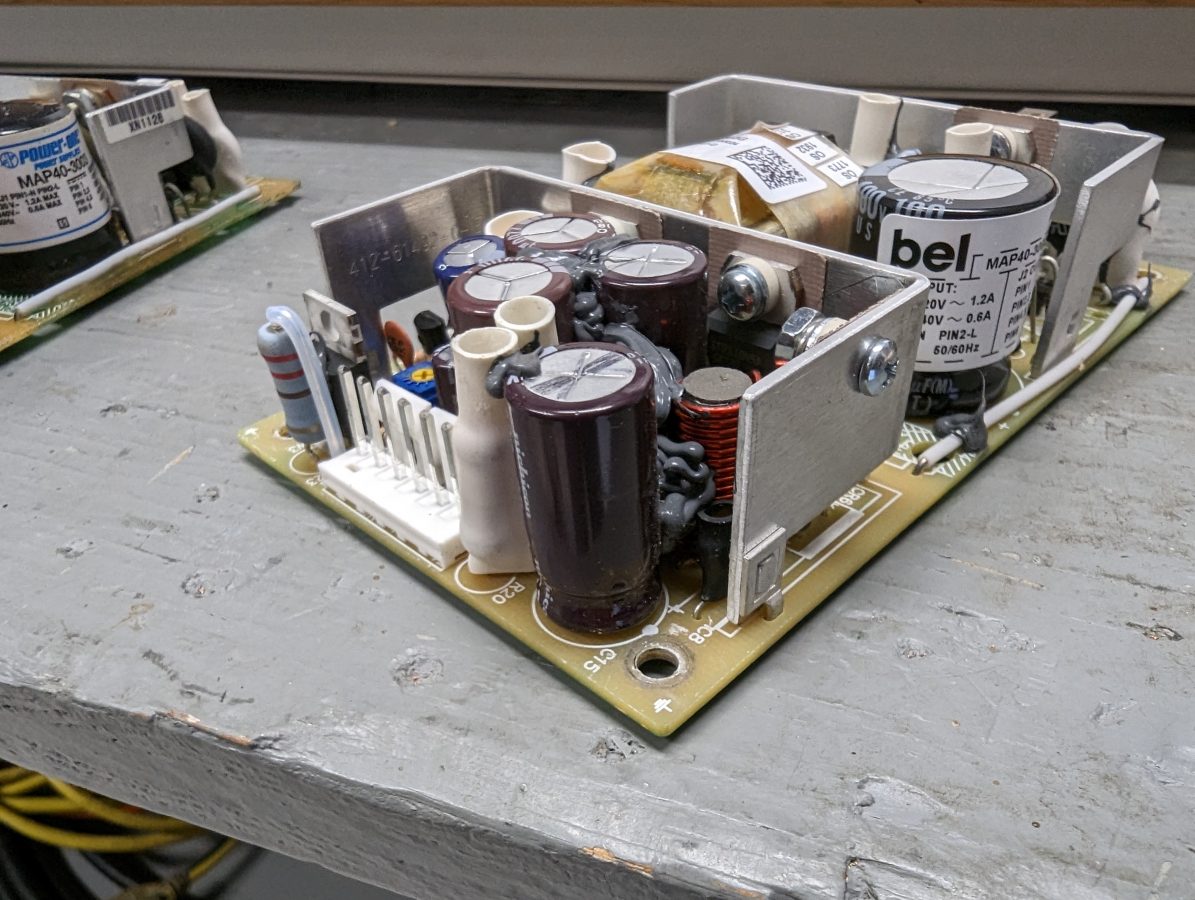
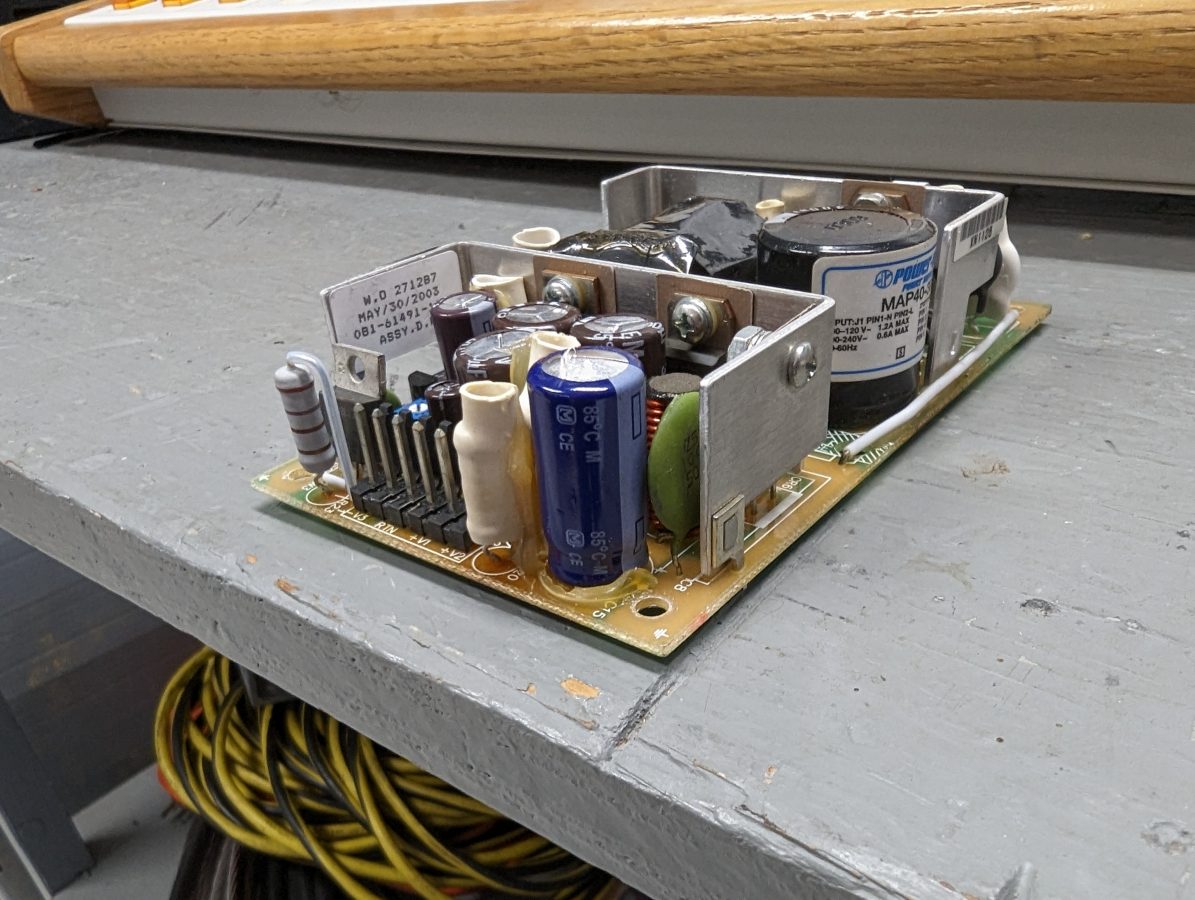
This particular power supply is used in Broadcast Electronics AM1A, AM2.5E, AM5E, AM6A, AM10A, FM1C, FM10T, FM20T, FM30T and FM35T transmitters. It is a Computer Products NFN 40-7610, 40 Watt, +5 VDC, +/- 15 VDC BE part number 540-0006.
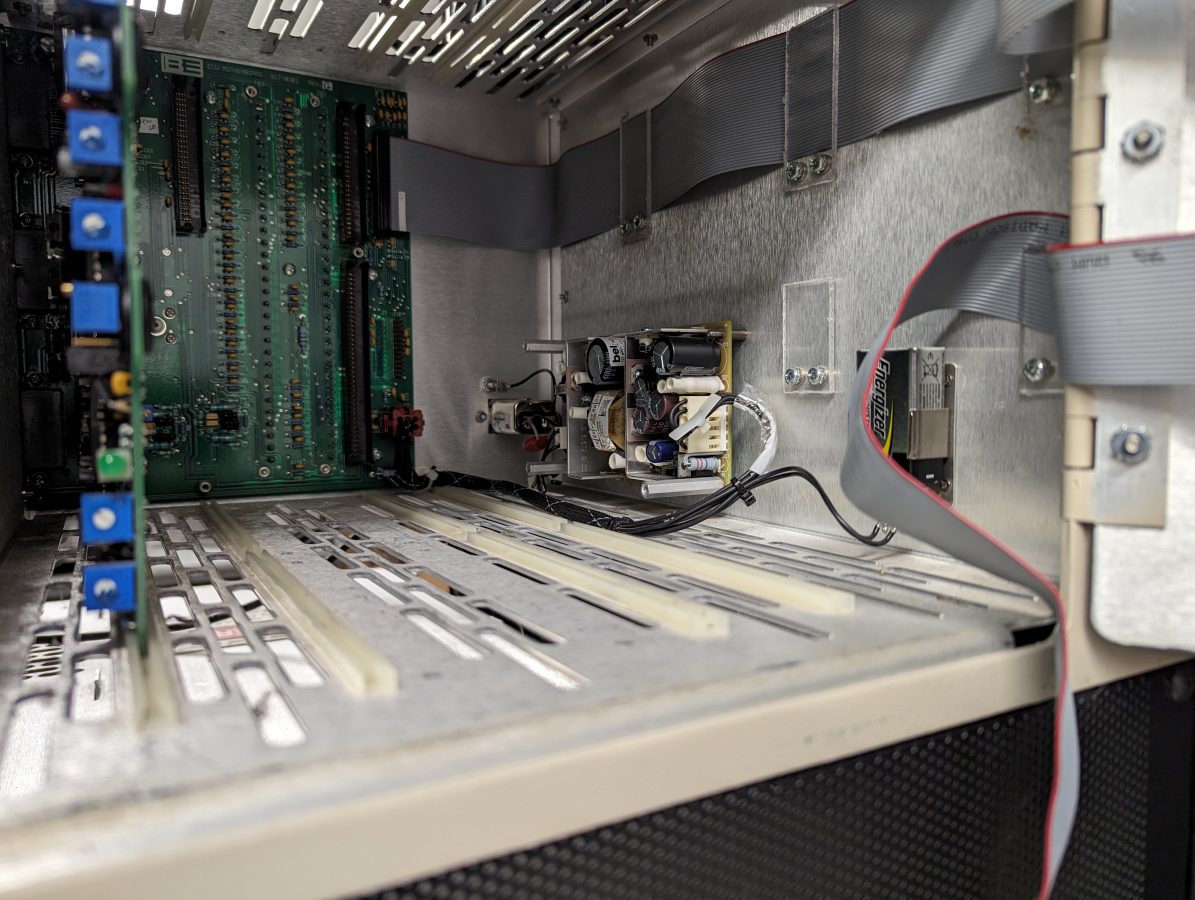
BE AM1A ECU power supply, C-15 marked with pen for replacement
Generally, one component fails over time on this unit, C-15 which is a 680 uF 35 V electrolytic capacitor. When that capacitor dries out, the power supply will fail to start, do odd things like start and fail after a second or two, or cycle on and off. This will happen after the transmitter has been off for a few minutes. Replacing C-15 with a 1000 uF 50 V capacitor will fix the problem. There is enough room for the larger capacitor if the leads are left a little bit long.
BE AM1A repaired ECU power supply re-installed
We have several of these repaired units on various shelves at various transmitter sites.
As always, when replacing electrolytic capacitors, pay attention to the polarity otherwise this will happen:
Blown Electrolytic Capacitor installed backward
I suppose somebody was in a hurry to get home that day. After I installed this repaired unit, it ran for about 15 seconds and then there was a pop. I opened the door on the ECU and white smoke was wafting out from under the power supply cover. Since the Pope is still The Pope, I knew it was the electrolytic capacitor.
Back in business
Our beloved BE AM1A is back in service. This transmitter is 22 years old and we can keep it going for as long as parts are available.
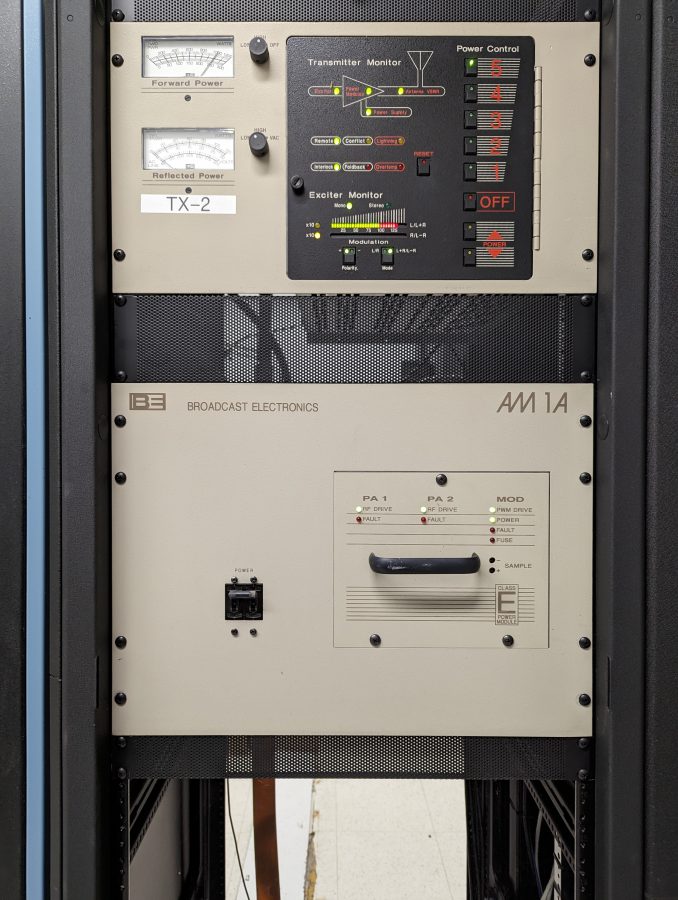
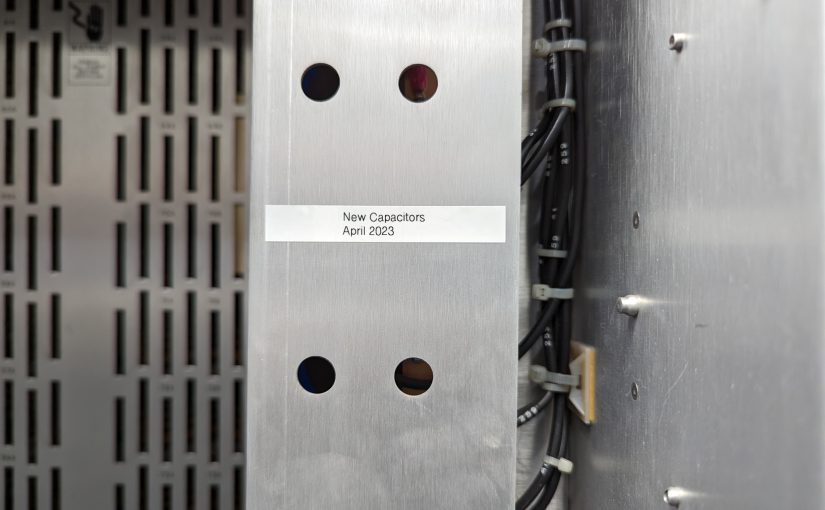
This lovely transmitter is 33 years old! I thought we’d celebrate by changing the electrolytic capacitors! It appears that some of the capacitors were changed in 2009, but many are original to the transmitter. Gates Air recommends replacing the electrolytic capacitors during the course of regular maintenance cycles. Dried-out capacitors can lead to a variety of mysterious fault conditions including low drive levels, poor audio quality, difficulty starting the transmitter, and so on. See Harris service bulletin AM-579-JK.
Some of the Low Voltage Power Supply capacitors were at least partly dried out. They felt a little bit light and one of them rattled when I shook it.
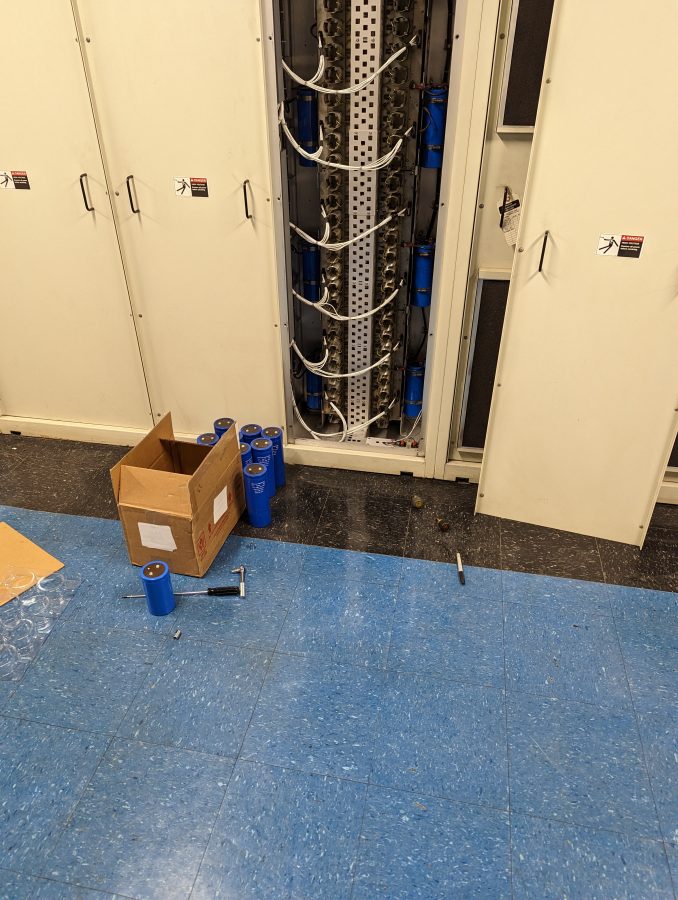
Replacing large PA capacitors
Gates Air has a full replacement kit, part number 973-2100-391. When I looked into it, the price of this kit is very reasonable and is closely aligned with the prices from Mouser Electronics.
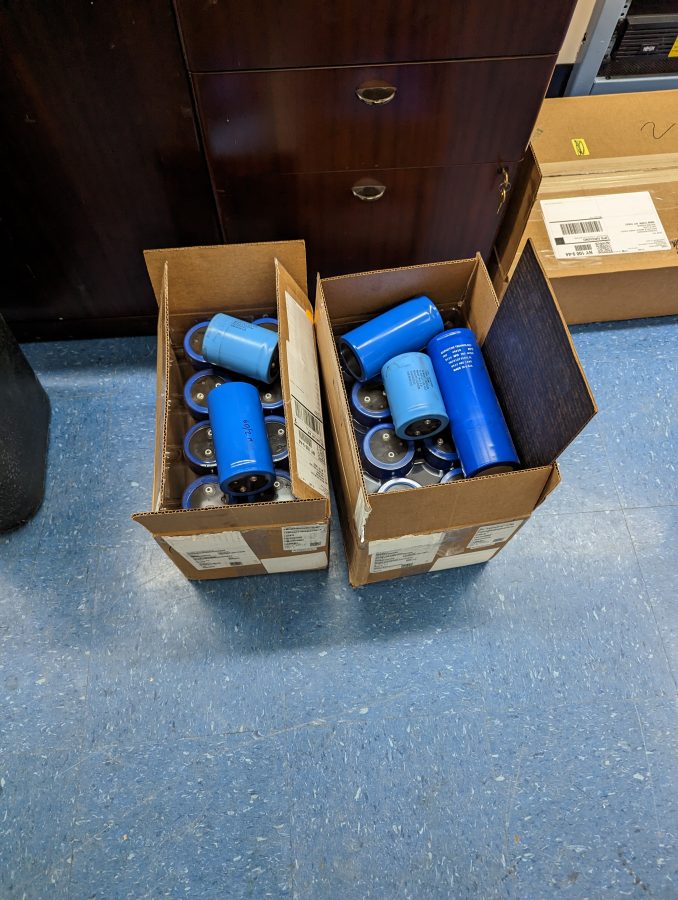
Old capacitors for disposal
Here is a full list of capacitors needed, I put the Mouser part numbers in just in case:
Nomenclature
Amount
Gates Air PN
Mouser PN
Cap, 5,100 uf 350 V
17
524-0341-000
598-DCM512T350DG2A
Cap, 5,500 uf 200 V
4
524-0219-000
75-36D552F200DF2A
Cap, 15,000 uf 100 v
2
524-0322-000
594-MAL210119153E3
Cap, 76,000 uf 40 v
4
524-0342-000
75-36DX763G040DF2A
Cap, 120,000 uf 40 V*
2
524-0380-000
75-36DX124G040DJ2A
Large Capacitors for DX-50 transmitter
*See Harris service bulletin AM-474-TLH for information on the -8 volt power supply.
Board is green, Returned to service
Most of the capacitors in the PA section were original to the transmitter, as well as those in the 30-volt and 60-volt driver supply.
One important detail; pay attention when installing these things. You do not want to reverse the polarity on an electrolytic capacitor, it will likely explode. These units are pretty big and the explosion would be loud and messy.
With that done, I also went through the transmitter and reset all of the voltage levels according to the factory test data sheet. When it was returned to the air, it sounded great!
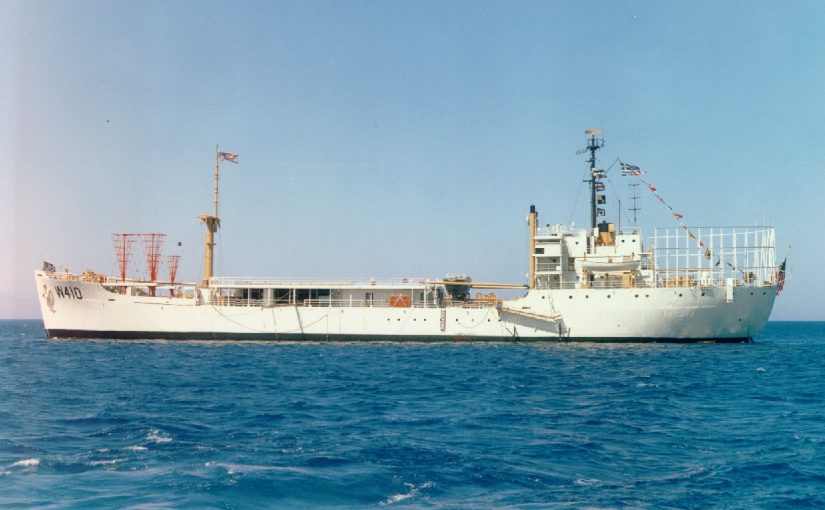
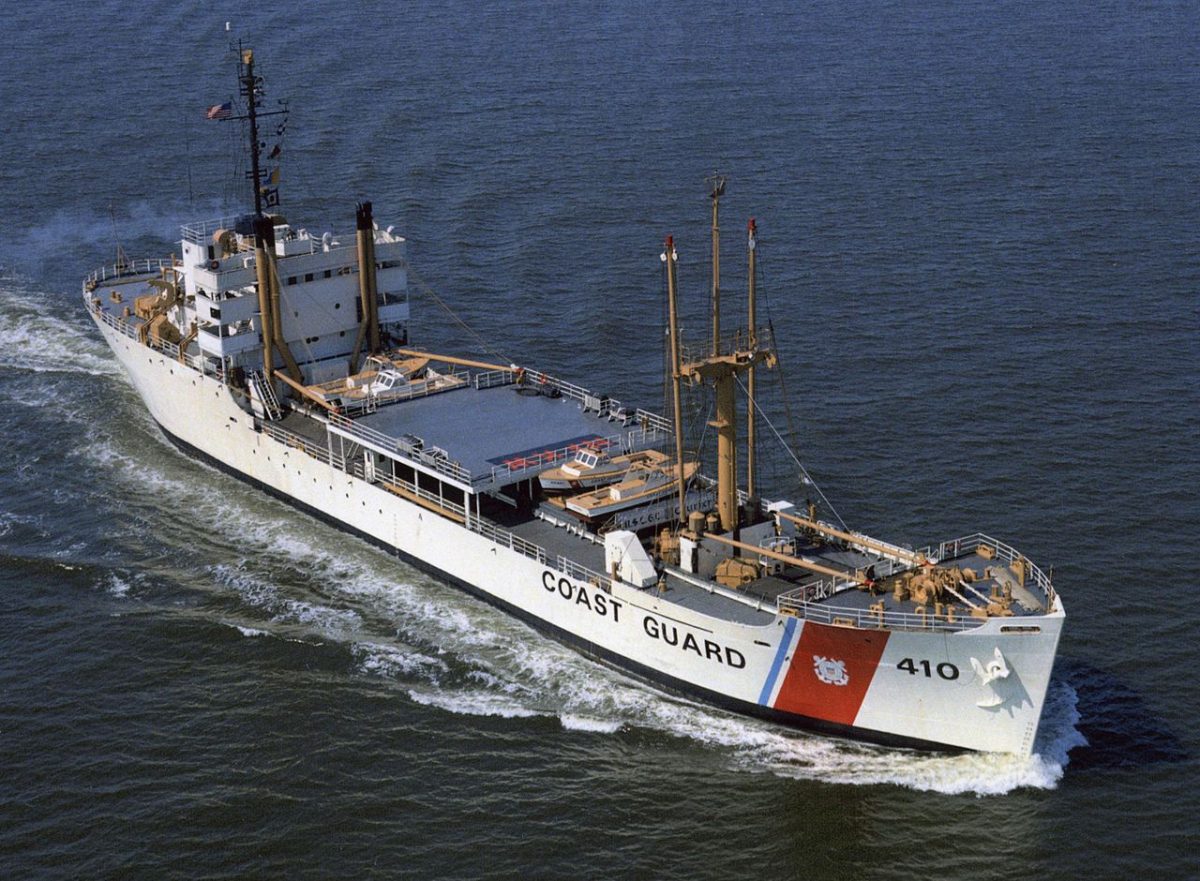
The VOA and shortwave broadcasting story is interesting from an engineering perspective. Over several decades, the US government spend many millions of dollars building out transmitter sites both overseas and in the continental US to transmit information behind the iron curtain. The Coast Guard Cutter Courier WAGR-410 was a converted cargo ship fitted out with an RCA 150 KW Medium Wave transmitter on 1259 kHz and two Collins 207B1 35KW shortwave transmitters in the cargo hold.
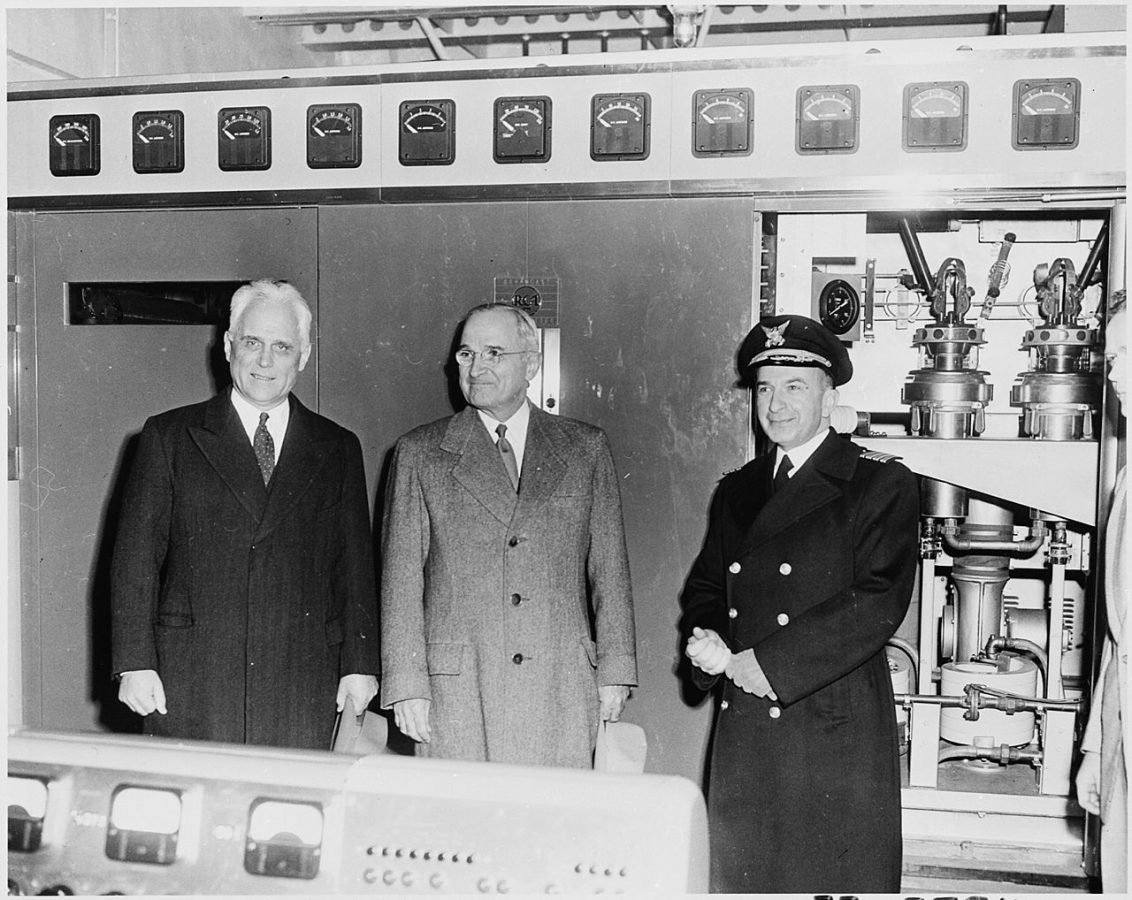
President Truman standing in front of an RCA BT-150, 150 KW AM transmitter on board USCGC Courier, 1952.
The ship had various wire aerials, including the Medium Wave antenna supported by a barrage balloon.
From September of 1952 until 1964, The Courier was anchored primarily off of Rhodes, Greece broadcasting programs into the Soviet satellite states in eastern Europe and the Soviet Union itself. This arrangement made it difficult to jam, although expensive to support and maintain.
Coast Guard guys, operating a Collins 207B1 Shortwave Transmitter
It was, however, just one of the methods of broadcasting used.
Through the 1950s and 1960s, VOA, Radio Free Europe, and Radio Liberty built extensive sites in Bilbus Germany, RARET in Portugal, Tangiers, Tinang in the Philippines, Morocco, Udon Thailand, Greenville Site A and B in North Carolina, Dixon and Delano California, Bethany Ohio, etc. Many of these sites supported multiple curtain arrays, rhombic antennas used to receive programming, generators, living facilities, etc. In other words, no expense was spared.
In Rhodes, Greece; eventually the transmitting equipment from the CGC Courier was transferred ashore as a VOA relay site. The Courier then returned home.
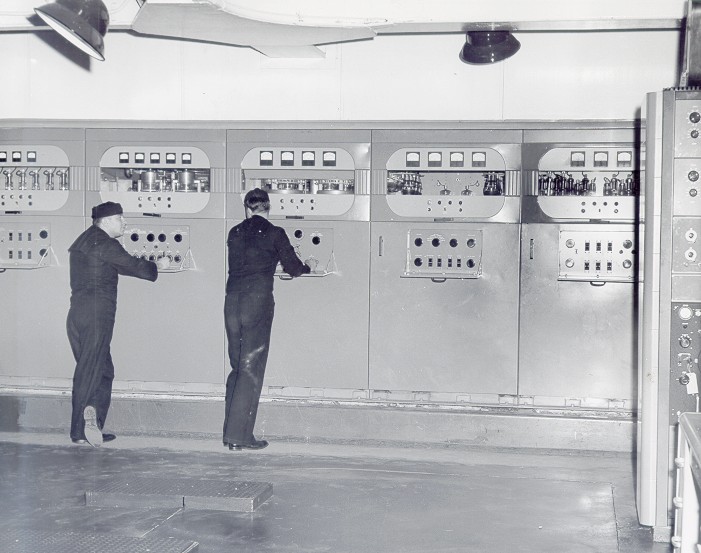
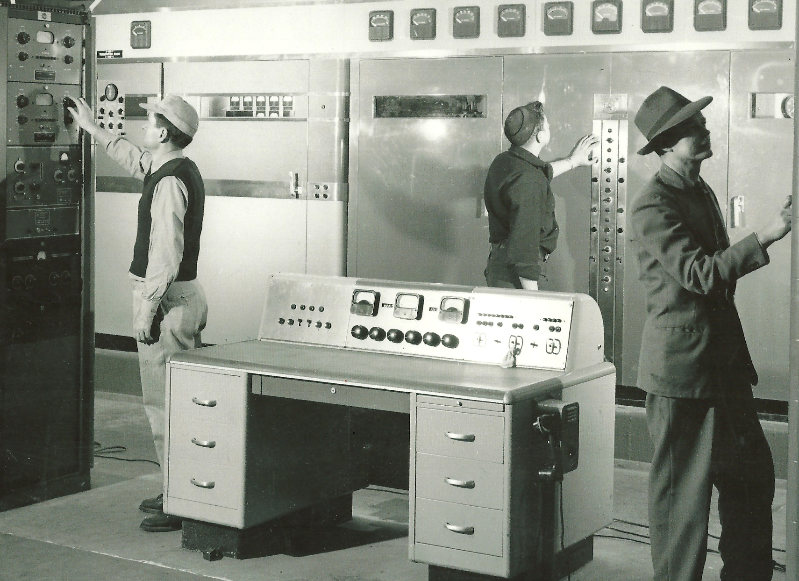
Transmitter control operator position, USCGC Courier
The point of the story; a lot of time, effort, and money went into broadcasting information to the Soviet Union and its satellite states over the period of four decades. From what I am told (by people who lived through that time period), the payoff really occurred in 1986, when the Chernobyl nuclear power plant accident happened. State-run Soviet radio and television were broadcasting Swan Lake, while RFE/RL had useful information including where the worst of the radiation was spreading, the wind direction, and how to protect humans from radiological hazards. For many average Soviet citizens, this was the tipping point and the collapse of the Soviet Union was inevitable from that point forward.
After the fall of the Soviet Union, many of these sites were shut down and the facilities were torn down because the cold war was over. Shortwave broadcasting was seen as expensive and unnecessary. Unfortunately, many warning signs were missed along the way and the present occupant in the Kremlin has wild dreams of a New Russian Empire. To revive shortwave in the 2020s would require another monumental and sustained effort starting with getting good receivers into the right hands. Shortwave broadcasts could become an alternative information source, especially if the Russia-Ukraine war becomes a protracted draw. However, it is not simply a matter of turning a few transmitters on and scheduling some Russian language programming.
Could the Russian state propaganda machine be engaged and defeated; yes. Will it be quick and easy; no. Is it worth it; yes. The real problem is apathy. The Russians have been subjected to terrible governance since pretty much the beginning of their existence. How to overcome that apathy and the corresponding sense of helpless victimhood of the Russians themselves is the question.
Regarding Vagabond-Able, after the USCGC Courier returned to the US, it was used as a training ship until 1972, when it was decommissioned.
I regret not having enough time for writing these days. There are a number of reasons for this. Firstly, much of what I do running my business is mundane and not worth noting. For example; today I am going over work reports and reconciling the bank account. Necessary, but about as exciting as watching the grass grow or reading about drying paint.
However, the rest of the time I have been working on various projects around the northeast, to wit:
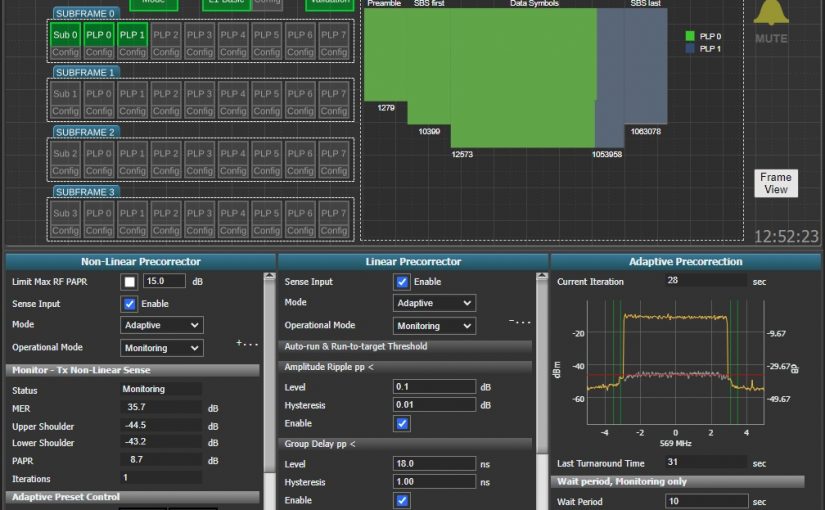
In Boston, I took part in converting an LPTV station to ATSC 3.0. That was interesting and I am enjoying the TV work.
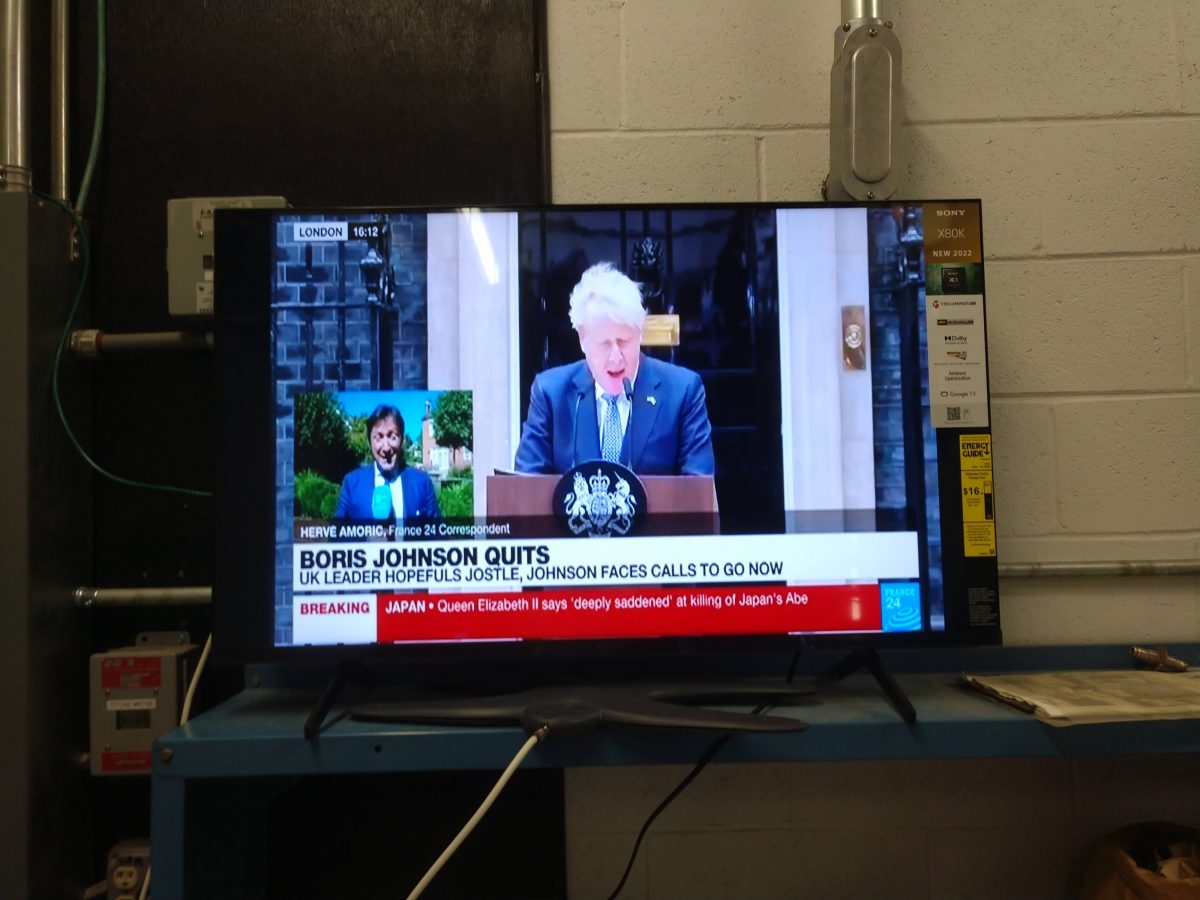
WCRN-LD exciter GUIBoris Johnson resigns, also one of the first ATSC 3.0 images transmitted OTA in Boston, MA
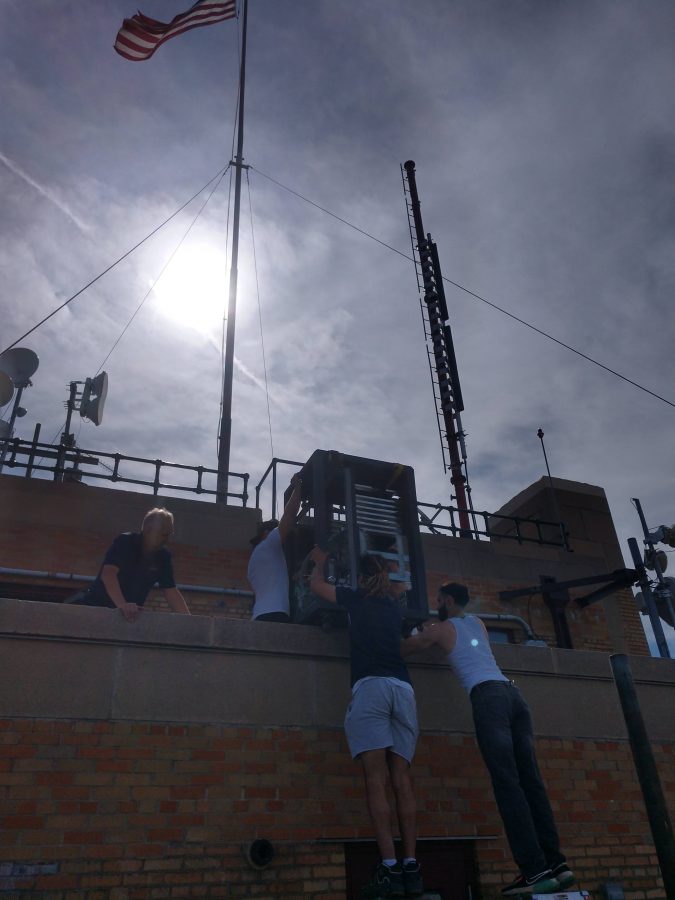
In Syracuse, we had to lower a TV transmitter from the 23rd floor to the 22nd floor on the outside of the building. The transmitter itself became marooned because an electrical conduit for an alarm system was installed restricting the size of the stairwell.
Carefully lowering a 2KW UHF TV transmitter, State Tower Building, Syracuse, NYTransmitter re-assembled and on the air
Fortunately, we hired a moving company to do this. I am pretty sure that our insurance does not cover damages from transmitters falling 22 stories.
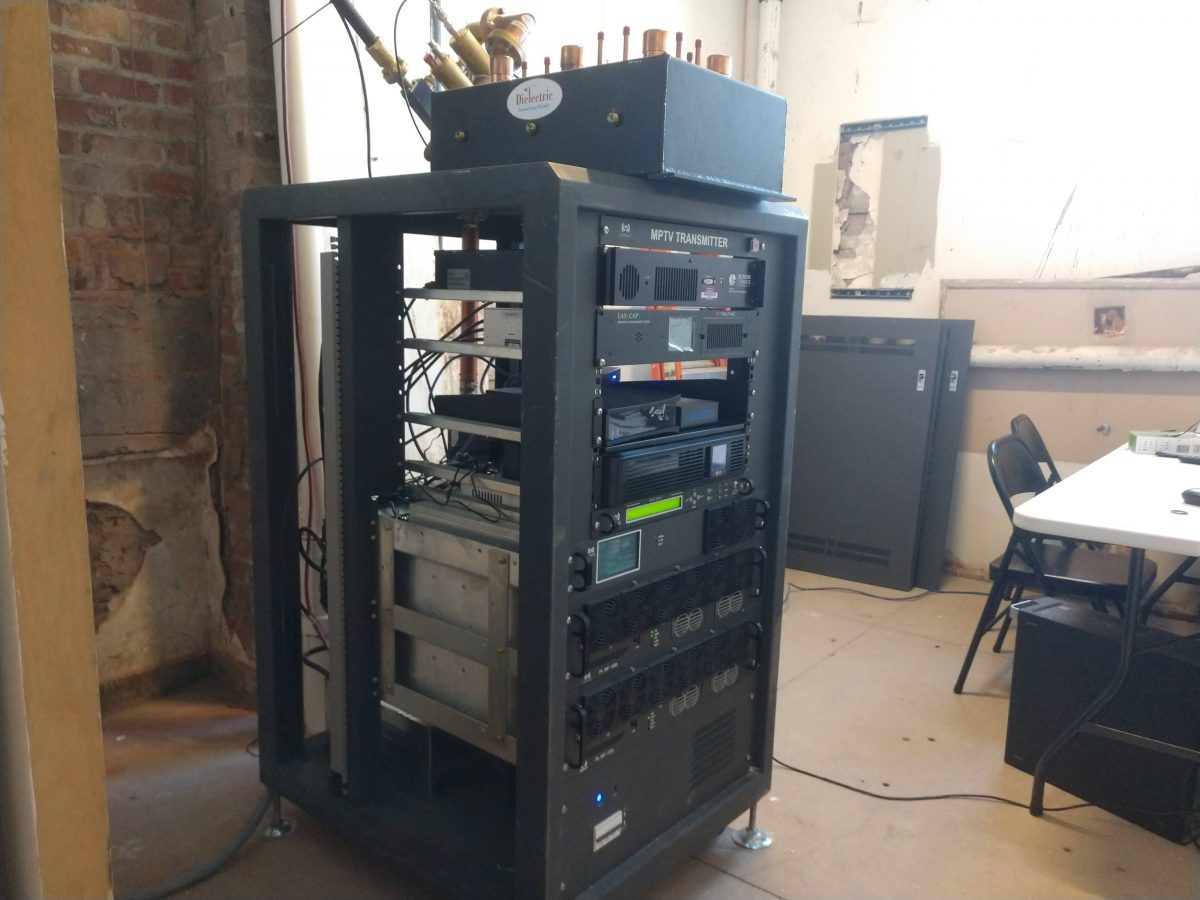
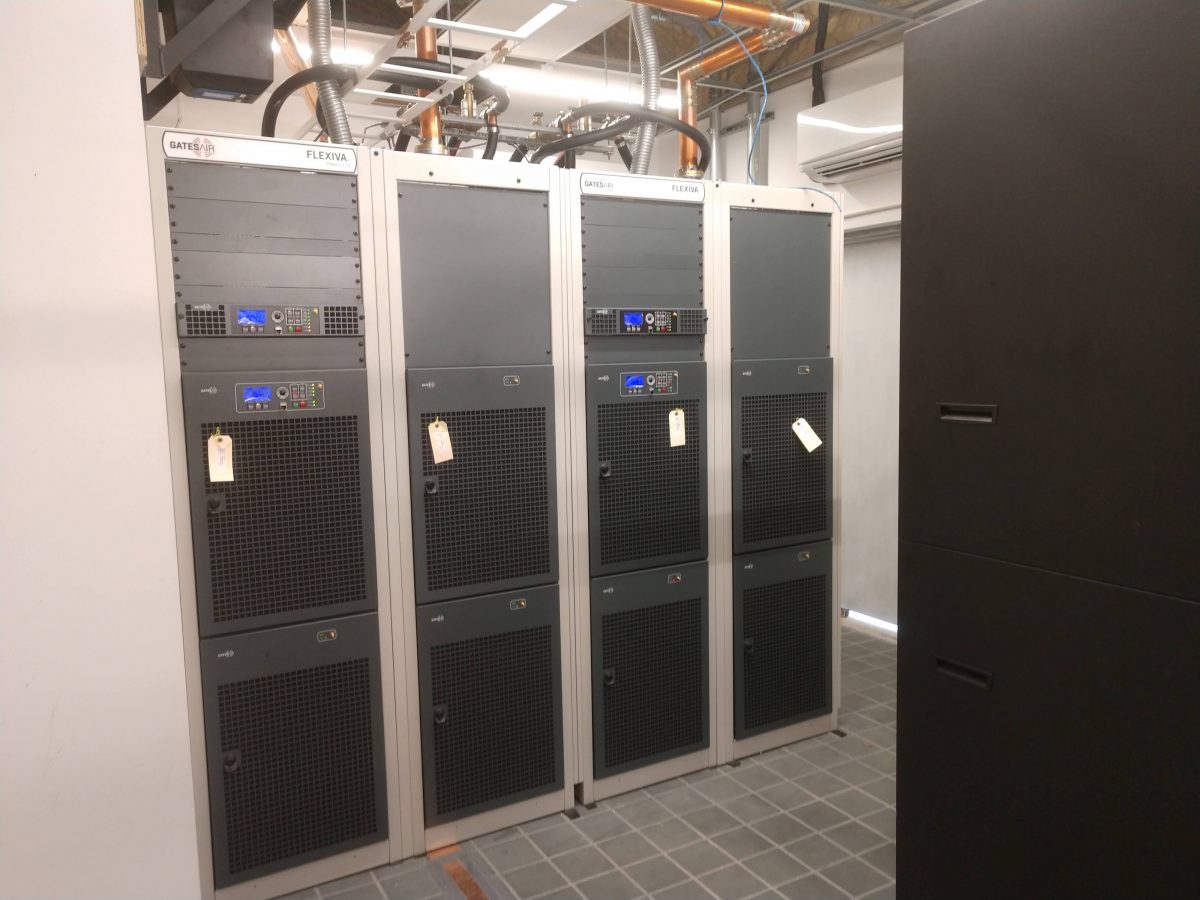
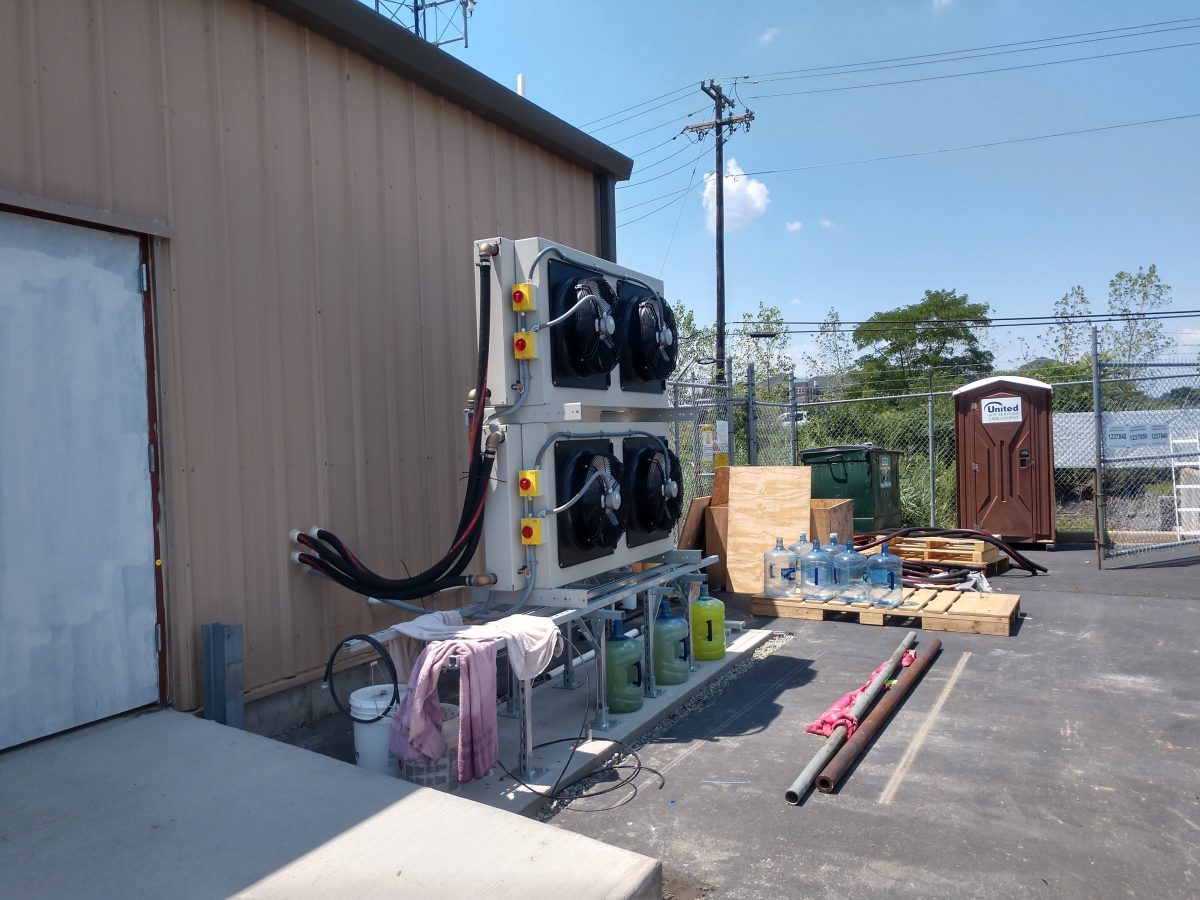
In NYC, I installed two FLX-40 transmitters for GatesAir.
WXBK FLX-40 transmitters, Rutherford, NJFLX-40 Heat Exchangers“Do you see over yonder, friend Sancho, thirty or forty hulking giants? I intend to do battle with them and slay them.” “Take care, sir, those over there are not giants but buildings on the island of Manhattan.”
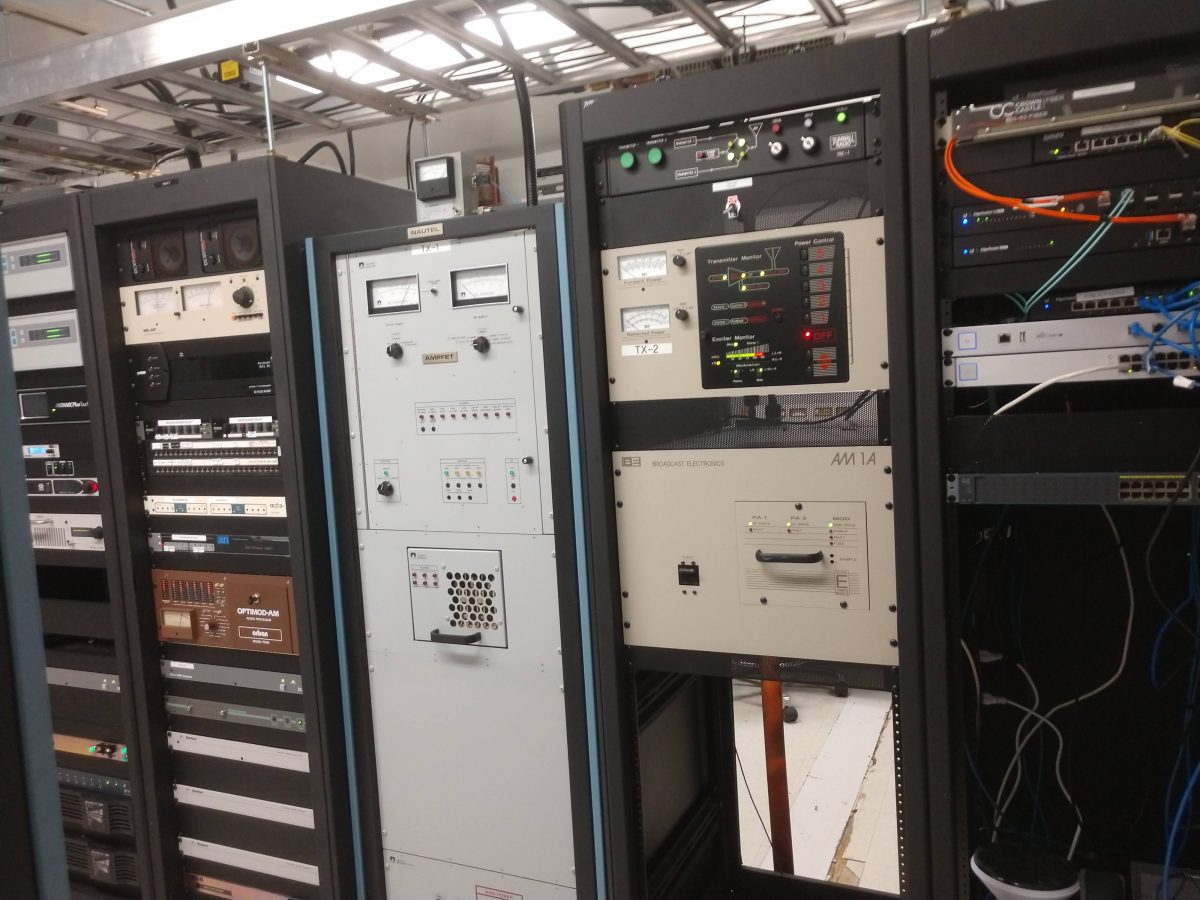
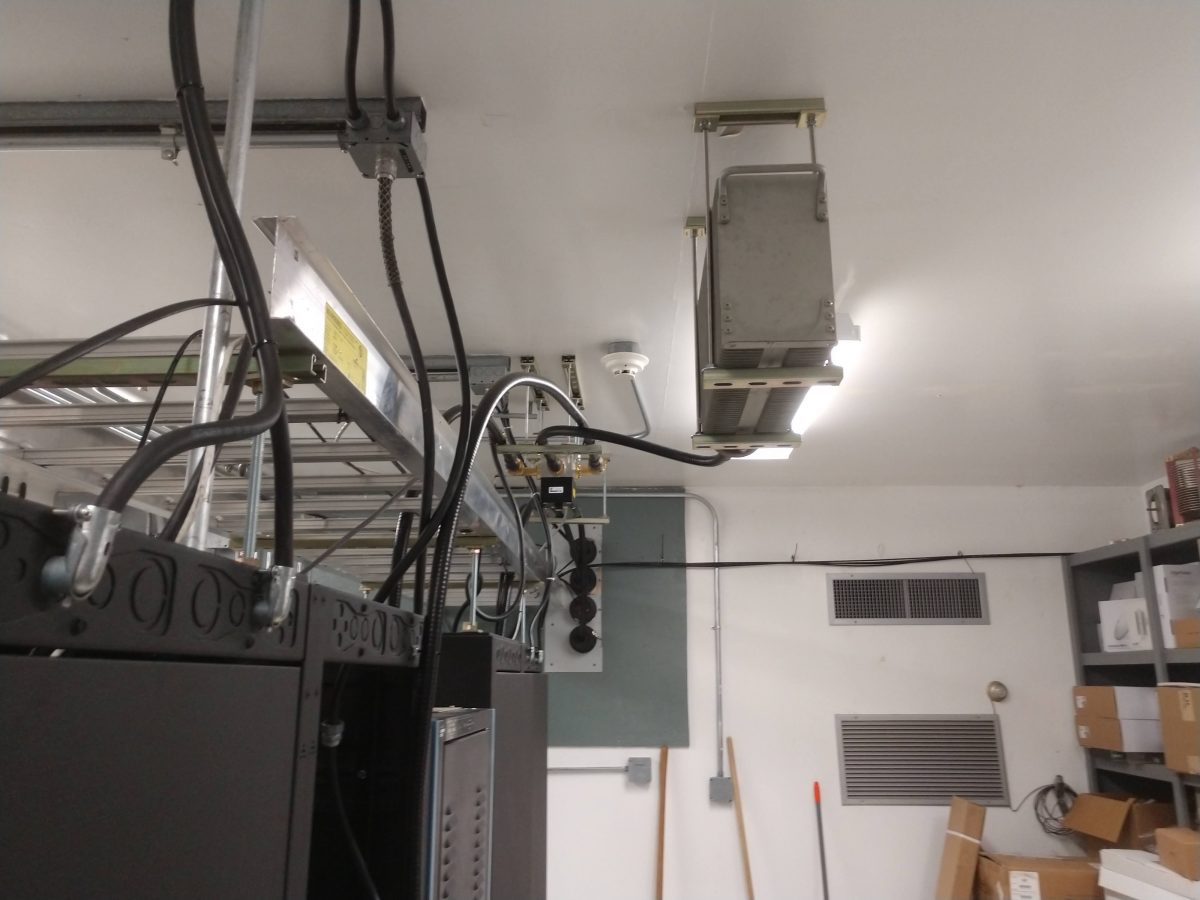
In Kingston, NY a used BE AM1A (along with a coax switch and dummy load) was installed at WKNY.
Slightly used BE AM1A installed as backup at WKNY, Kingston, NY7/8 inch coax switch and 2.5 KW oil cooled test load suspended from the ceiling
It is nice that this station has a decent backup transmitter to buttress the aging, yet very reliable Nautel ND-1.
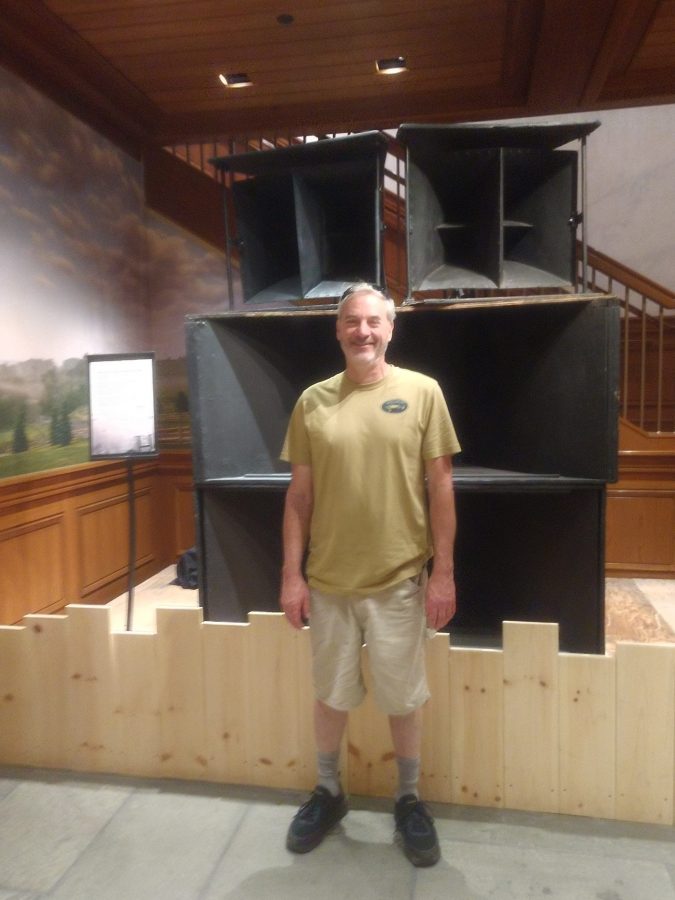
Even though it is a short drive away, I had never visited the 1969 Woodstock Music and Art Fair site in Bethel, NY. It was interesting and being sort of an audiophile, I enjoyed this exhibit in particular:
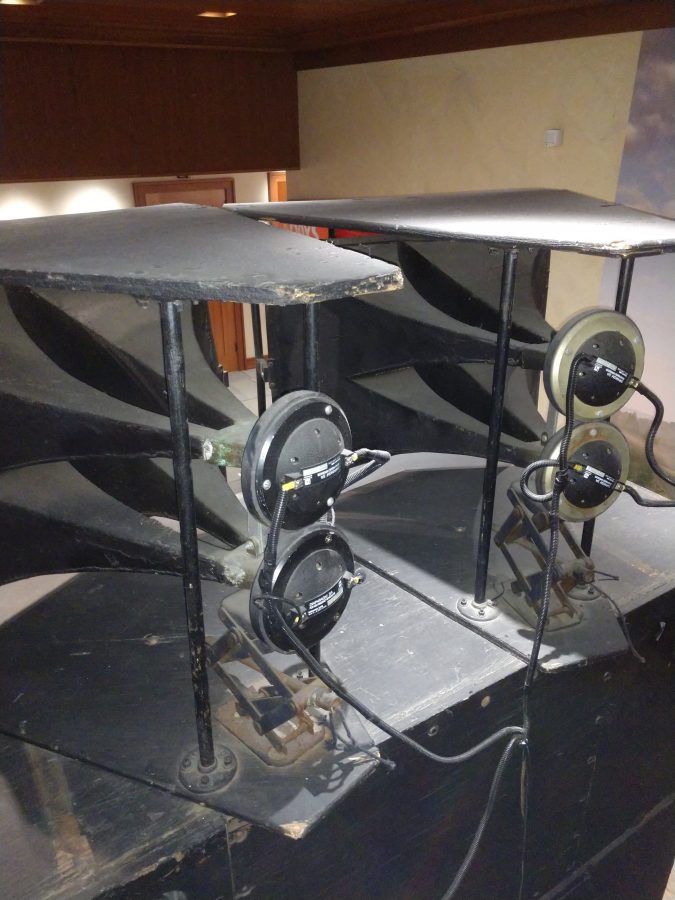
Your author, standing in front of a “Woodstock Bin.”Back of high-frequency horns
From the display:
This speaker stack sat on scaffolding high in the air… festival sound engineer Bill Hanley custom-built eight speaker cabinets for Woodstock, amplifying music and stage announcements across the large festival site… Afterward, the design would be known in the industry as the “Woodstock Bin.”
Bethal Woods Performing Arts center Museum, August 10, 2022
The high-frequency horns used Electrovoice diaphragm S/A compression drivers. I don’t know which driver was used for the bins.
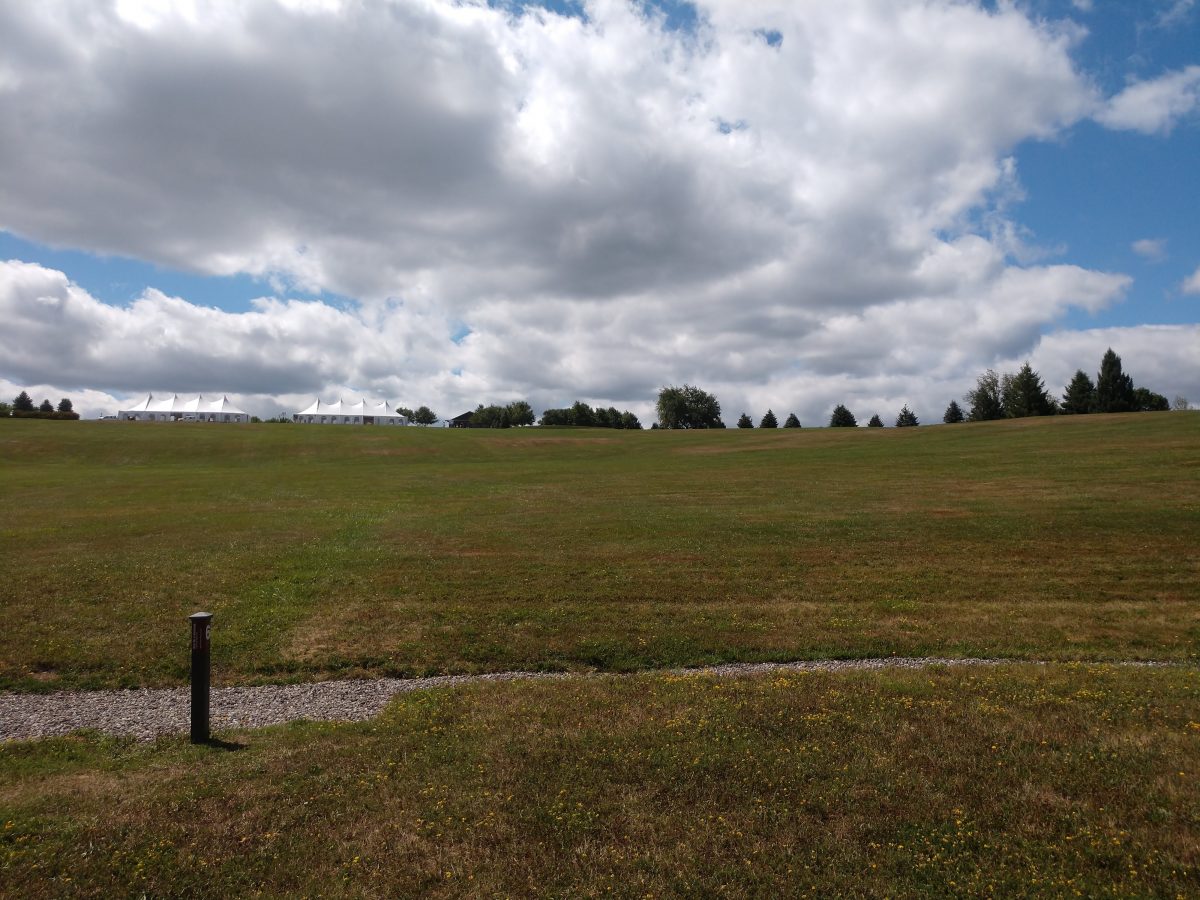
Site of Woodstock ’69 stage, looking up into the fieldLooking down from the field to the stage area. Person(s) for scale.
I am also writing articles for Radio Guide, I hope that you are enjoying them!