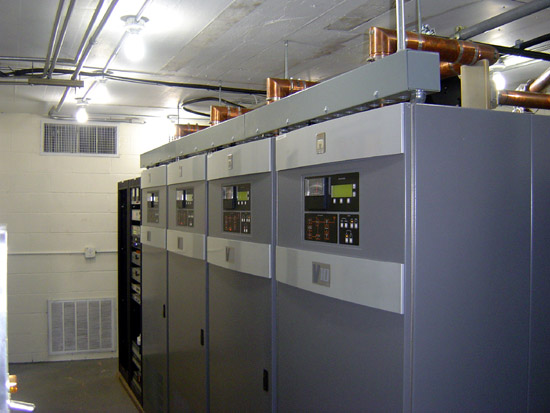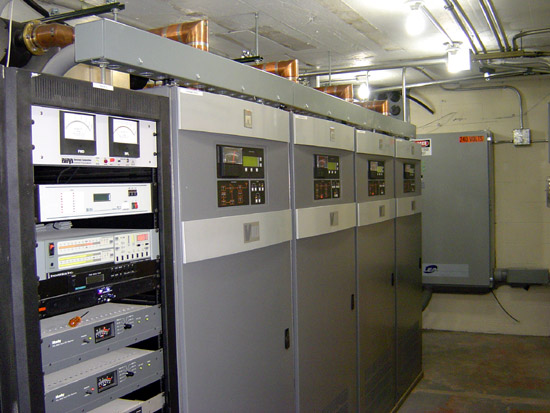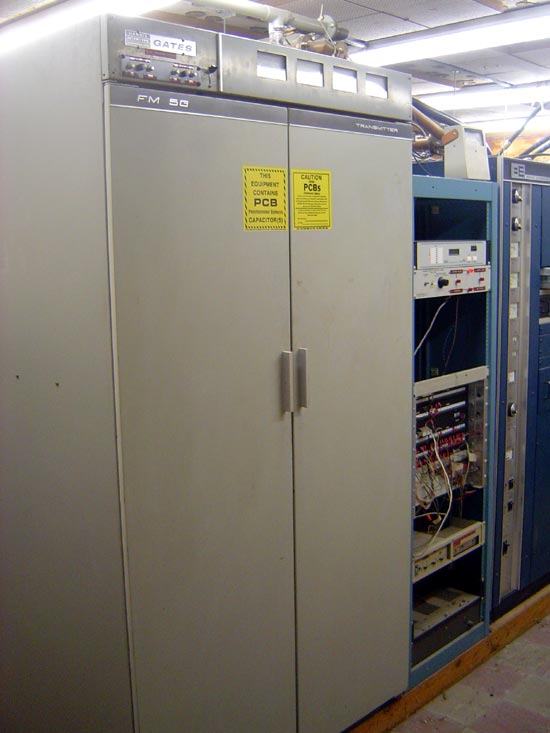
I developed these checklists for the FM transmitter site based on experience and what needs to be checked, how often it needs to be checked, and what else can go wrong. This checklist is for a generic FM transmitter site with a backup transmitter and an RF STL. Every site is different, so some things on this would likely need to be changed or adapted depending on equipment and other facilities.
Enjoy!
Weekly Maintenance:
A. Visit site, Check following:
- Check critical transmitter values against last logged value
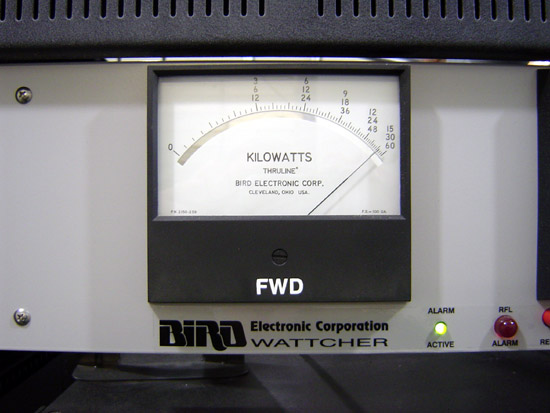
- Check forward/reflected power on main transmitter
- Check and reset any overloads
- Check generator fuel level
- Check the STL signal strength level against last logged value.
- General check of building, look in all rooms, inspect for damage from vandalism, Leaking roofs, obvious signs of trouble, take steps to correct.
Monthly Maintenance:
B. Visit site, Check following:
- Do a full multi-meter log, run backup transmitter into dummy load.
- Check line pressure, Check tank pressure and/or desiccant for water
- Start and run generator for 5 minutes, check block heater, hoses, belts, oil and antifreeze levels
- Calibrate remote control meters with transmitter meters, log it*
- Check the tower fence, be sure it is secure and locked.*
- Complete Items 3, 4, and 6 under weekly maintenance.
- During summer months, be sure the vegetation is cut around building and tower.
Quarterly Maintenance:
C. Visit site, Check following:
- Complete 1 through 7 under monthly maintenance.
- Check all air filters, clean or replace as needed.
- Check frequencies of all exciters, STL receivers, TSL transmitters and log.*
- Complete quarterly tower lighting and painting inspection
Bi-yearly Maintenance:
D. Visit site, Check Following:
- Complete 1 through 4 under quarterly maintenance.
- Clean backup transmitter
- Place backup transmitter on air and clean main transmitter.
Yearly Maintenance:
E. Check all licenses and authorizations for accuracy, make sure all license renewal cards are posted and placed in the public inspection file.*
F. Visit site, Check following
- Complete 1 through 3 under Bi-yearly maintenance
- Complete service of generator
- Complete Inspection of tower and antennas, check concrete tower bases, check guy wire anchors, (grounding, turnbuckle safety cable) check property for anything out of the ordinary
- Repair driveway as needed
General maintenance that is completed on an as needed basis:
- Tube changes on main/backup transmitter.
- Sweep antenna with a spectrum analyzer/return loss bridge to make sure it is on frequency and has sufficient bandwidth to pass FM signal.
- Look at FM RF mask with spectrum analyzer, check harmonics for proper attenuation.
- Sweep transmission line with a spectrum analyzer/return loss generator.
- Re-fill fuel generator fuel tank when drops below 1/2
- Empty trash, sweep floors, dust.
- Paint exterior of building
- Replace tower lights*
- Paint towers*
*These are FCC inspection items, pay close attention if you do not want a fine.
The .pdf version can be downloaded here. I’ll to an AM directional checklist next week.