Anyone that grew up a geek in the late 70s to early 80s (ahem) will get the references in this video:
For those of you that are unfamiliar:
The Hitchhiker’s Guide to the Galaxy is a comedy science fiction series created by Douglas Adams. Originally a radio comedy broadcast on BBC Radio 4 in 1978, it was later adapted to other formats, including stage shows, novels, comic book adaptations, a 1981 TV series, a 1984 computer game, and 2005 feature film.
I was most familiar with the video game, which came out about the same time I bought my first computer, the beloved Apple IIc. That might have been in 1986 or so.
Anyway… It is nice to see a new generation of enthusiasts among the current Engineering students.
I installed one of these wireless links between two transmitter buildings recently. The Ubiquiti gear is not my first choice, however, the client insisted that we use this equipment likely because of its inexpensive nature (less than $65.00 per unit). My overall impression is so-so. They are fairly easy to set up; the AirOS is intuitive and easy to navigate around. I had to upgrade the firmware, change the default user name and password, assign IP addresses, subnet mask, gateway information, SSIDs, security parameters, etc. All of that was very easy to figure out. My grip is this; it seems the hardware is a bit plastic-y (e.g. cheap). I know some of the Ubiquiti models are better than others. I hear good things about the airFiber units but they still don’t compare to the Cambium/Canopy gear.
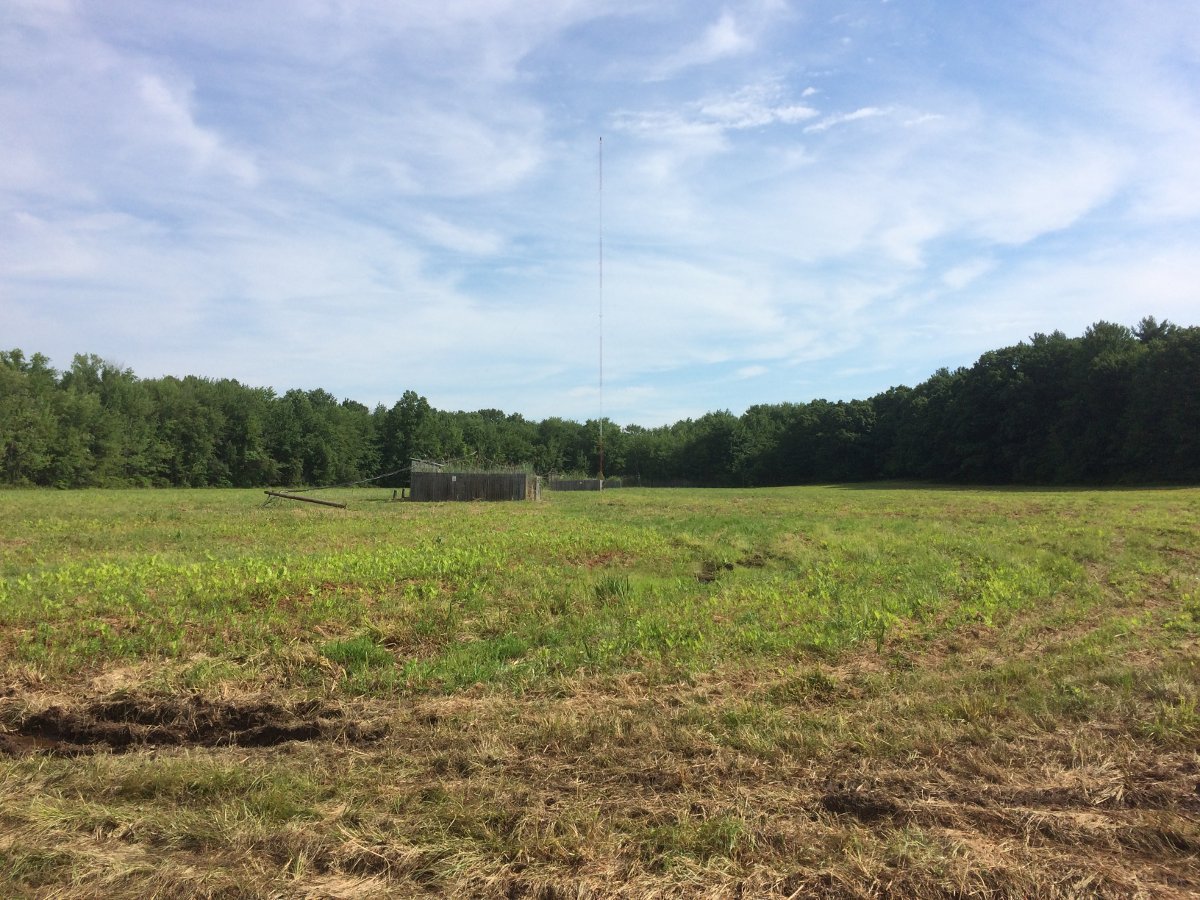
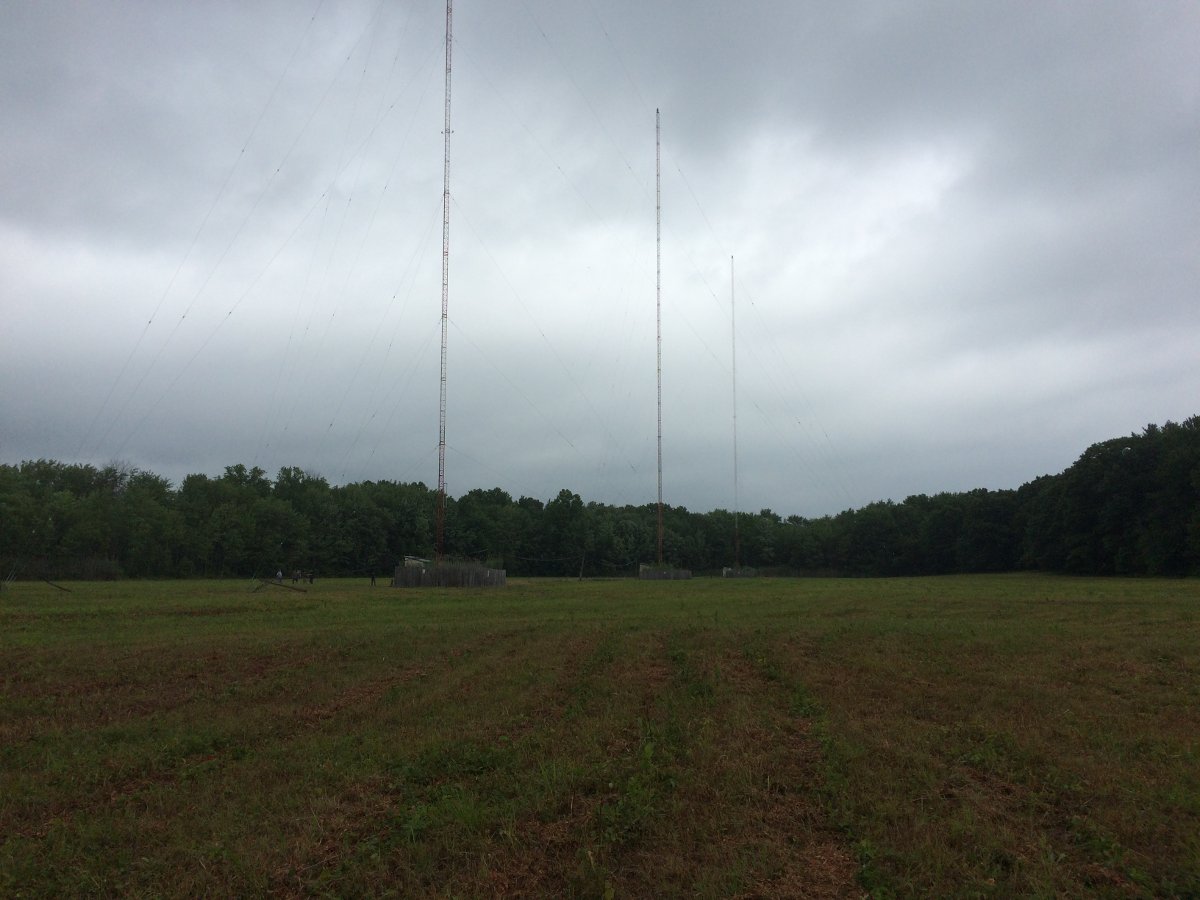
For this installation, I used the shielded Ubiquiti “Tough Cable” with the shielded Ubiquiti RJ-45 connectors and Ubiquiti Ethernet Surge Protectors. When making the Ethernet cables up, I made sure the shield drain wire was connected to the metal body on the RJ-45 connector. I tested everything with my trusty Fluke Microscanner cable verifier which also shows continuity for the shield. I am still not completely confident that the outdoor units will survive a lightning strike on the 898-foot (273.7 meter) guyed tower nearby. Time will tell.
The system has a wireless path length of about 200 meters plus another 60 meters or so of Ethernet cable. Latency when pinging the gateway across the entire network is about 3 to 4 ms (laptop>switch>nanobeam<->nanobeam>switch>gateway). The network is being used for remote control/monitoring of transmitters and backup audio via Comrex Bric link II IP CODECs.
screenshot; Nano Beam Air OS v7.2.2
On the plus side, the 802.11ac link is very fast; 650+ Mbps unwashed link speed is pretty impressive. Strip off the wireless LAN headers and that likely translates to greater than 500 Mbps goodput. Also, the inexpensive nature of these units means that we can keep a few spares on hand in case something does suffer catastrophic damage due to a storm. The AirOS v.7 is pretty cool with the RF constellation and other useful tools like airView (spectrum analyzer with waterfall display), discover, ping, site survey, speed test, traceroute, and cable test.
After installing the updated firmware, which fixes a major security flaw with the web interface, the link was established with three mouse clicks. After that, I ran speed tests back and forth for several minutes. Basically, the speed on the LAN is reduced because of the 100 Mbps switch. Even so, that should be more than enough to handle the traffic on this segment of the network.
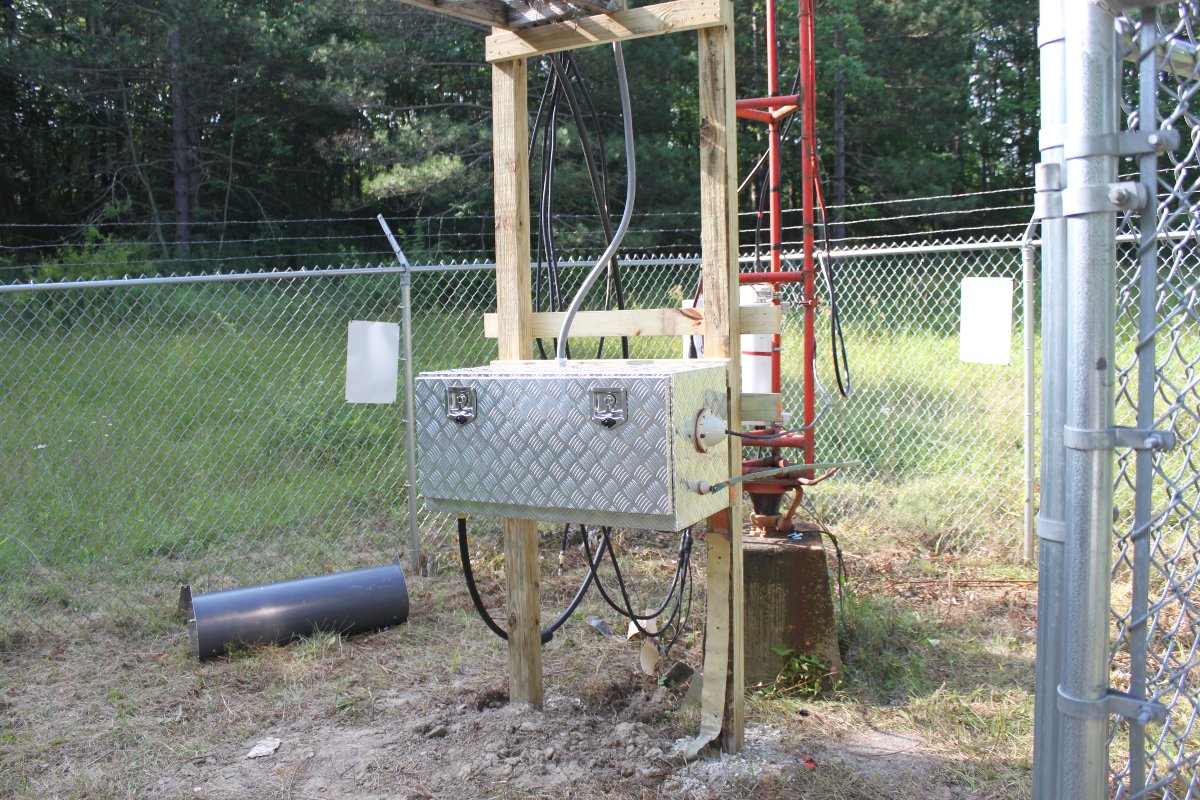
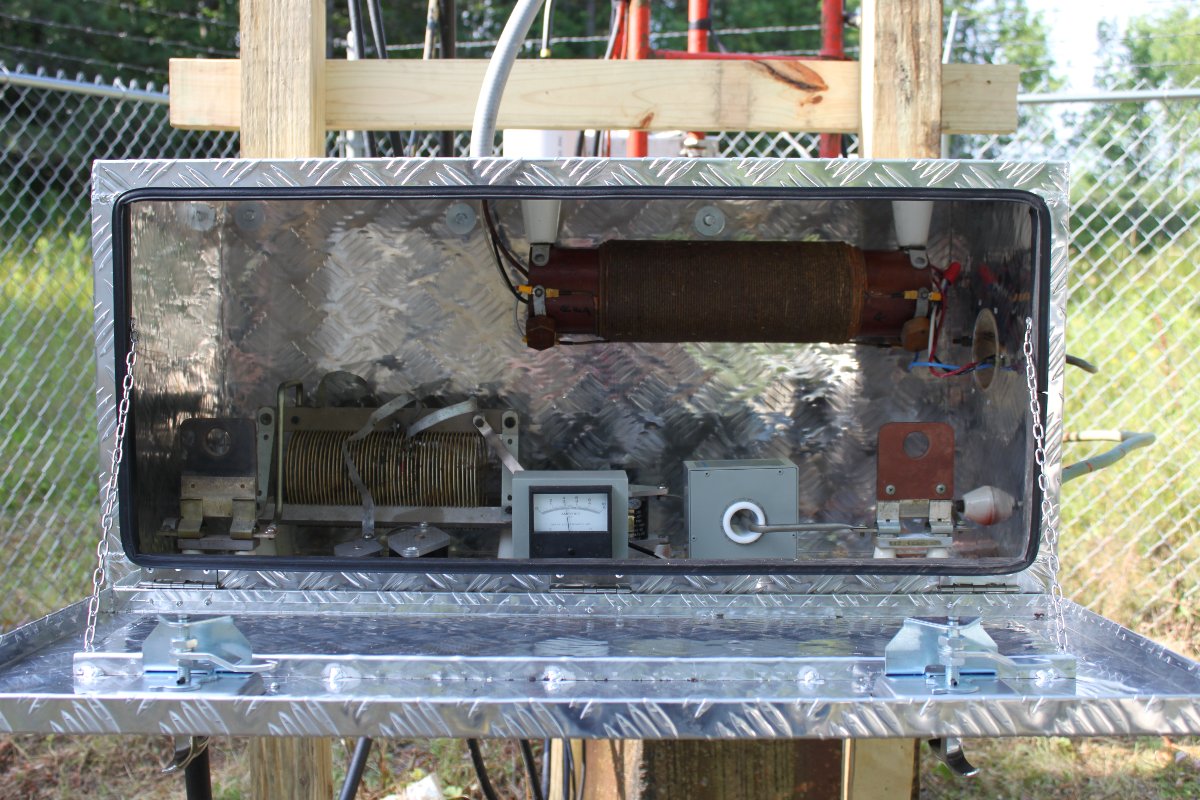
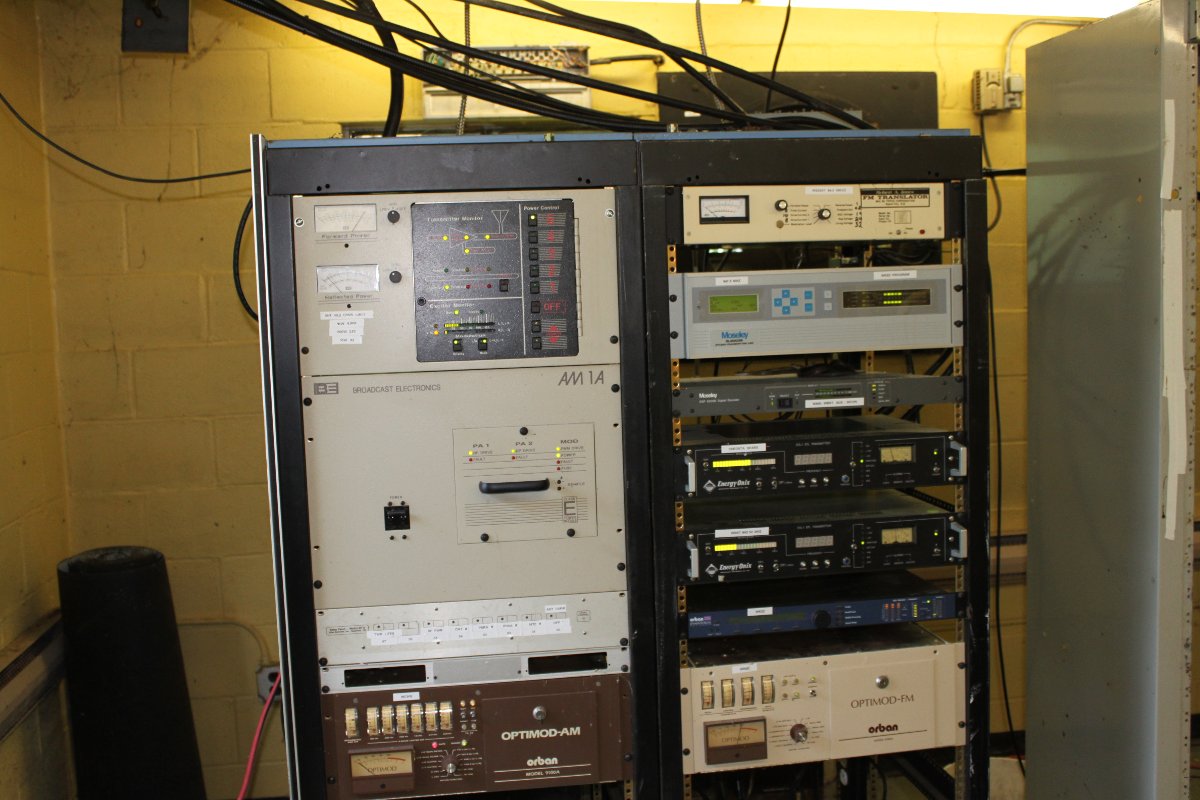
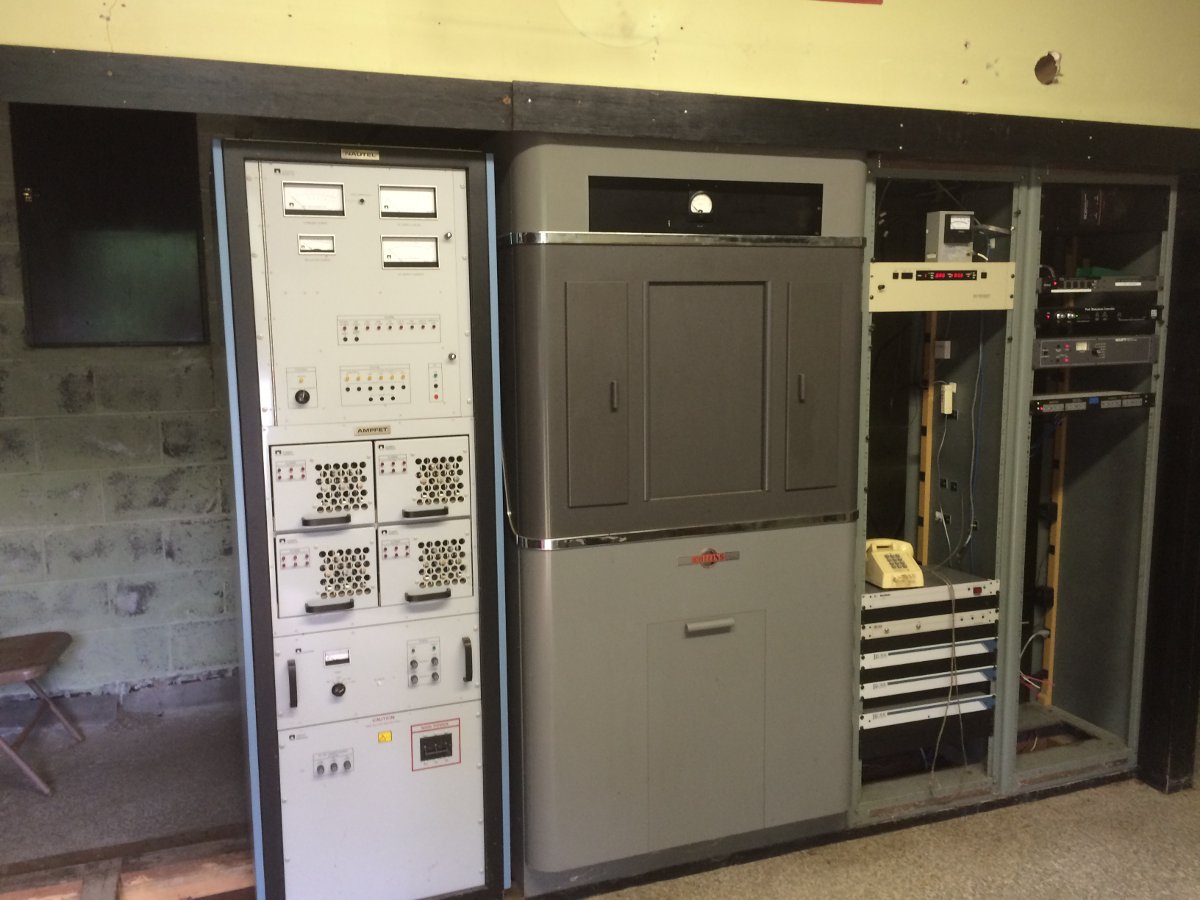
I was at a transmitter site a few days ago scrapping a Continental 814-R1 transmitter. I started thinking (always a dangerous thing) about how many of these units I have decommissioned over the years. It turns out, quite a few:
Make/Model
Year new*
Year removed
Station
Disposition
GE BT25A
1948
1994
WPTR
Donated/scrapped
Gates BC5P
1960
2004
WWLO
Donated
Harris MW5A
1982
2000
WLNA
Scrapped
Gates BC1T
1961
2001
WLNA
Donated
Harris FM20H3
1972
2001
WYJB
Scrapped
RCA BT1AR
1960
2001
WROW
Donated
Harris BC1G
1972
2001
WDFL
Abandoned
Harris FM20H3
1971
2005
WHUD
Scrapped
BE FM30A
1988
2005
WHUD
Cannibalized
Harris FM5G
1972
2008
WSPK
Scrapped
Mc Martin BF3.5K
1976
2011
WCTW
Scrapped
RCA BTF-10ES
1978
2011
WRKI
Scrapped
Gates BC1T
1964
2011
WINE
Scrapped
Continental 315F-R1
1985
2013
WVMT
Donated
Collins 813F
1975
2014
WKXZ
Scrapped
RCA BTA1AR
1965
2014
WCHN
Scrapped
Collins 813F2
1978
2015
WKXZ
Scrapped
Collins 830D-1A
1968
2014
WKXZ
Scrapped
Harris FM20H3
1972
2013
WYJB
Scrapped
Harris BC5HA
1973
2013
WROW
Scrapped
Harris FM10H
1971
2013
WMHT-FM
Scrapped
Harris FM2.5H3
1973
2015
WEXT
Scrapped
Mc Martin BF3.5K
1972
2014
WSRK
Scrapped
CCA FM5000G
1980
2015
WTBD
Scrapped
RCA BTF1E
1972
2016
WZOZ
Scrapped
QEI 695T3.5
1996
2015
WBPM
Scrapped
QEI 695T5
1996
2015
WBPM
Scrapped
Harris HT3.5
1997
2015
WUPE-FM
Scrapped
Harris Z5CD
1997
2015
WXPK
Cannibalized
Energy Onix SSA1000
2000
2015
WDHI
Cannibalized
Harris MW1
1982
2016
WPUT
Abandoned
Mc Martin BF1K
1982
2016
WSUL
Scrapped
Mc Martin BF3.5K
1982
2016
WSUL
Scrapped
Continental 814R1
1980
2016
WDBY
Scrapped
Broadcast Electronics FM35A
1986
2017
WEBE
Cannibalized
CCA FM-1000D8
1973
2018
WDLA
Scrapped
Collins 828E
1978
2018
WSYB
Scrapped
Gates BC-1H
1971
2018
WHUC
Scrapped
Gates BC-1J
1954
2019
WBEC
Scrapped
Gates BC250GY
1969
2019
WSBS
Scrapped
Nautel V-7.5
2009
2021
WSPK
Cannibalized
Nautel V-10
2007
2023
WHUD
Cannibalized
Nautel V-10
2007
2023
WHUD
Cannibalized
Harris FM1H3
1970
2024
WBEC-FM
Scrapped
*In some cases the “Year New” is a guess based on when the station went on the air. Before you write me and say “But model XYZ transmitter wasn’t made until 19XX, I did not look at every nameplate and write all the information down as I did this.
Like everything else, there is a process to this.
RCA BTA-10U AM transmitter
First, if the transmitter was made before 1978, the possibility of PCB capacitors and transformers exists. In the case of the GE BT25A, massive amounts of PCBs needed to be disposed of properly. According to current federal laws, ownership of PCBs and PCB-contaminated items cannot be transferred. Thus, the transformer casings were cleaned and taken to Buffalo to be buried in a PCB-certified landfill. Otherwise, most other transmitters, such as the RCA BTA-10, may have a few PCB capacitors and perhaps the modulation transformer. Those items can be disposed of by calling an authorized environmental disposal company like Clean Harbors.
The rest of the transmitter is stripped of any useful parts. Things like vacuum variable capacitors, rectifier stacks, blower motors (if they are in good condition), HV power supply contactors, unique tuning parts, whole control and metering boards, tube sockets, etc.
The remaining carcass is then disassembled and hauled off. I have a guy that will do this for relatively little money. He takes the transmitter back to his warehouse cuts it up, sorts the various metals out, and then takes it to the scrap yard. This includes cutting all the windings off of transformers and power supply chokes, sorting out the brass and copper tuning parts, etc. Thus, most of the transmitter is recycled. Things like vacuum tubes, circuit boards, and other plastic parts are disposed of as e-waste.
As a part of our studio build-out in Walton, we had to install a high-capacity STL system between the studio and transmitter site. Basically, there are five radio stations associated with this studio and the satellite dish and receivers are going to be located at the transmitter site.
The audio over IP gear is getting really sophisticated and better yet, more reliable. For this application, we are using a Cambium networks (Motorola Canopy) PTP-250 radio set and a pair of Wheatstone IP88 blades on either site. Since there is quite a bit of networked gear at the transmitter site, the IP88s will live on their own VLAN. The PTP-250s will pass spanning tree protocol, rapid spanning tree protocol, 802.1Q, and other layer two traffic.
The Wheatsone IP88A blades are the heart of the system. Not only do they pass 16 channels of audio, we can also pass 8 logic closures bi-directionally. This is key because we are shipping satellite audio and contact closures back from the transmitter site. The IP88A setup is fairly easy, once the IP address is entered. The web GUI is used for the rest of the configurations including making the connections between units.
Pair of Wheatstone IP88A AoIP interfaces
The switches are managed units. The switchports need to be set up via command line to pass VLAN traffic. There is an appendix in the IP88 manual that outlines how to do this with various managed switches. This is the most important step for drop-out free audio. The switchports that connect to the two radios are set up as trunk ports using either VTP or 802.1Q.
Cambium PTP-250 5.8 GHz out door units
The PTP-250 radios were already on hand, new in the box. They are built really well and look like they should not break in a year or so. These particular units are connectorized, therefore an external antenna was needed. There are many such antennas, this system ended up with an RF Engineering & Energy 5150-5850 MHz dual-polarized parabolic dish with RADOMES. RADOMES are necessary to prevent ice or snow build up in the winter.
RF Engineering & Energy 5150-5850 MHz dual polarized parabolic dish with LMR400 jumpers
STL link dish installed
1 1/2 inch EMT going from TOC to roof
Since the path is only 3.37 miles (5.43 kilometers), I set them up with a 40 MHz wide channel. This is a rural, small-town setting. When I looked at the 5.8 GHz band on a spectrum analyzer, it looks fairly uncongested. These are MIMO single or dual payload selectable. I will try them as single payload units since the path is short and the band is uncongested. This should keep the throughput high.
Studio to transmitter site LAN extension
The PTP-250s use POE injectors in mounted in the rack rooms. CAT5e shielded cable with the proper connectors properly applied is a must for lighting protection. The PTP-250 units came with Cambium PTP-LPU lightning protectors. I also installed Polyphaser AL-L8XM-MA type N surge suppressors on each RF port of each PTP-250.